
In an era where visual content dominates the digital landscape, the advent of artificial intelligence (AI) technology has transformed how we create and interact with images. AI image detectors are at the forefront of this transformation, enabling both individuals and businesses to analyze and manipulate visual data more effectively than ever before. This article delves into the workings of AI image detectors, their applications, and the implications for the future of visual media.
What is an AI Image Detector?
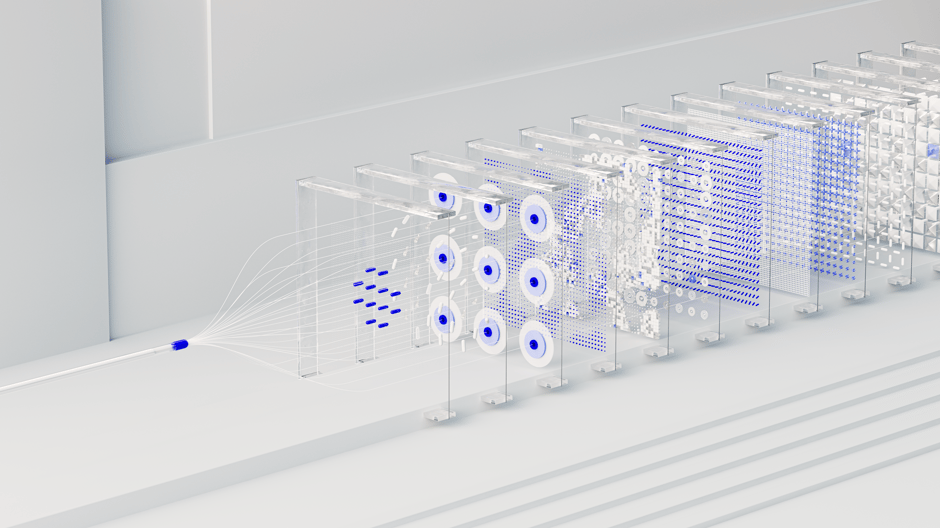
At its core, an AI image detector is a system that utilizes deep learning algorithms to identify and classify objects within digital images. These systems are trained on vast datasets, allowing them to recognize patterns and features that are often invisible to the human eye. The technology behind AI image detectors has advanced significantly, with models achieving impressive accuracy rates in identifying objects, faces, and even emotions in images.
For example, a study conducted by Stanford University found that state-of-the-art AI image detectors can achieve over 90% accuracy in recognizing objects in images. This leap in technology has profound implications for various fields, from security and surveillance to marketing and content creation.
AI image detectors leverage convolutional neural networks (CNNs), a type of deep learning architecture that excels in image processing tasks. By breaking down images into manageable sections and analyzing them independently, CNNs can detect and classify visual elements with remarkable precision.
Applications of AI Image Detectors
The applications of AI image detectors are vast and varied. In the realm of security, these systems are utilized to enhance surveillance by identifying potential threats in real-time. For instance, airports and public spaces increasingly rely on AI image detection technologies to monitor crowds and detect suspicious behavior.
In marketing, businesses are utilizing AI image detectors to analyze consumer behavior. By assessing how customers interact with visual content, brands can tailor their marketing strategies to better engage their audience. For example, analyzing which colors or shapes attract more attention can help marketing teams create more effective advertisements.
Additionally, in the realm of social media, platforms are integrating AI image detection to automate tagging and enhance user experience. Features such as automatic face recognition and content moderation are becoming standard, allowing platforms to better serve their users and maintain safe environments.
Challenges and Ethical Considerations
Despite the numerous benefits of AI image detectors, there are inherent challenges and ethical considerations that must be addressed. One of the primary concerns is privacy. As AI systems become more capable of recognizing individuals in public spaces, the potential for misuse and surveillance raises pressing ethical questions.
Moreover, the accuracy of these systems can be influenced by biases present in the training data. If the datasets used to train AI image detectors are not diverse, the systems may perform poorly on underrepresented demographics. This bias can lead to significant consequences, particularly in law enforcement and security applications where misidentification can have serious repercussions.
To mitigate these challenges, developers and researchers are actively working on creating more transparent and equitable AI systems. Implementing strict guidelines and ethical considerations in the development process is crucial to ensure that AI image detectors are used responsibly.
The Future of AI Image Detectors
The future of AI image detectors is promising, with ongoing advancements in technology likely to enhance their capabilities further. As these systems become more sophisticated, we can expect them to integrate seamlessly into various aspects of our daily lives.
For instance, in the medical field, AI image detectors are being explored for their potential to analyze medical images, assisting healthcare professionals in diagnosing conditions more accurately and efficiently. Research shows that AI can identify certain diseases in medical images with higher accuracy than human specialists, potentially revolutionizing patient care.
Furthermore, AI image detectors will continue to evolve in the realm of creativity. Artists and content creators are beginning to harness the power of AI to generate unique visual content. This intersection of art and technology could lead to entirely new forms of expression and creativity.
In conclusion, AI image detectors represent a significant advancement in technology that is reshaping our interaction with visual content. As we explore the potential of these systems, it is essential to approach their development and implementation with a focus on ethics and responsibility. Embracing the power of AI while navigating its challenges will be key to unlocking the full potential of this transformative technology. For those interested in exploring the capabilities of these systems, consider using an ai image detector to see the future of visual analysis firsthand.
