
Bedbugs have become a common nuisance in many households, often causing distress and anxiety for those affected. These tiny, elusive pests can invade a home unnoticed and multiply rapidly, making them a formidable opponent for homeowners. Understanding the nature of bedbugs and the methods of extermination is crucial for effective pest control.
Understanding Bedbugs
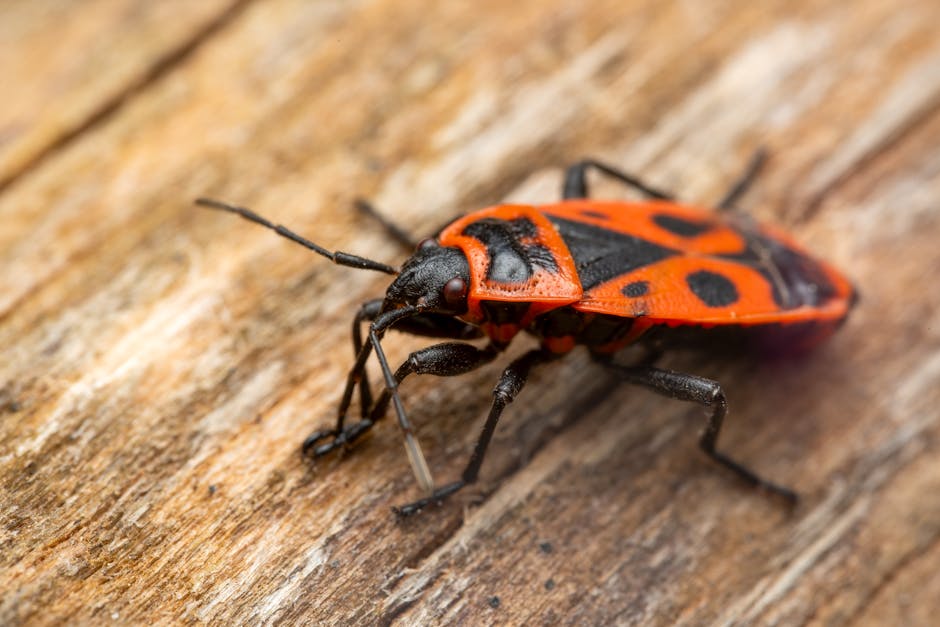
Bedbugs, scientifically known as Cimex lectularius, are small, wingless insects that feed on the blood of humans and animals. They are typically reddish-brown and can be found in various locations, from homes to hotels. One of the most concerning aspects of bedbugs is their ability to reproduce quickly; a single female can lay hundreds of eggs in her lifetime. This rapid reproduction can lead to a full-blown infestation in a matter of weeks if not addressed promptly.
Bedbugs are primarily nocturnal, making them difficult to spot during the day. They tend to hide in crevices, mattresses, bed frames, and other furniture, emerging at night to feed. Their bites can result in itchy welts, which can cause discomfort and sleepless nights. This is why early detection and prompt action are essential in combating bedbug infestations.
Signs of Bedbug Infestation
Recognizing the signs of a bedbug infestation is the first step toward effective extermination. Common indicators include:
- Visible bedbugs in mattress seams or cracks.
- Dark spots on bedding, which are bedbug excrement.
- Eggs and shed skins near hiding spots.
- Itchy bites on exposed skin, often in a line or cluster.
If you notice these signs, it is crucial to take immediate action to prevent the infestation from worsening.
Methods of Bedbug Extermination
There are various methods for bedbug extermination, ranging from DIY solutions to professional treatments. One effective strategy is to utilize heat treatment, where items infested with bedbugs are exposed to high temperatures for a specific period. This method is effective because bedbugs cannot survive extreme heat.
Another popular method is the use of insecticides specifically designed for bedbugs. These products can be sprayed in areas where bedbugs are likely to hide. However, it’s essential to follow the manufacturer’s instructions carefully to ensure safety and effectiveness. Additionally, combining different methods often yields the best results in eradicating these pests.
In some cases, homeowners may prefer to hire professionals for bed bug treatment. Pest control experts have access to specialized tools and treatments that may not be available to the general public. They can also provide valuable advice on prevention and monitoring to avoid future infestations.
Preventing Future Infestations
Once you have successfully exterminated bedbugs, the next step is to implement prevention strategies to avoid reinfestation. Regularly inspecting your home, especially after traveling or bringing in second-hand furniture, is crucial. When you return from trips, inspect your luggage and clothing thoroughly before bringing them indoors.
Sealing cracks and crevices in walls and furniture can also help prevent bedbugs from finding a place to hide. Additionally, using protective covers on mattresses and box springs can create a barrier that deters bedbugs from nesting.
Conclusion
Bedbug extermination requires diligence, knowledge, and often a combination of methods to be successful. Understanding the nature of these pests, recognizing the signs of infestation, and taking proactive measures to prevent future occurrences are essential steps in maintaining a bedbug-free home. Whether you choose to tackle the problem yourself or enlist the help of professionals, prompt action is key to regaining control over your living space and ensuring comfort for you and your family.
