
The construction industry is a cornerstone of economic development and urbanization worldwide. As we progress into an era marked by rapid technological advancements and increasing environmental concerns, the construction sector is undergoing transformative changes. This article explores the critical trends, innovations, and challenges facing the construction industry today.
Technological Advancements in Construction
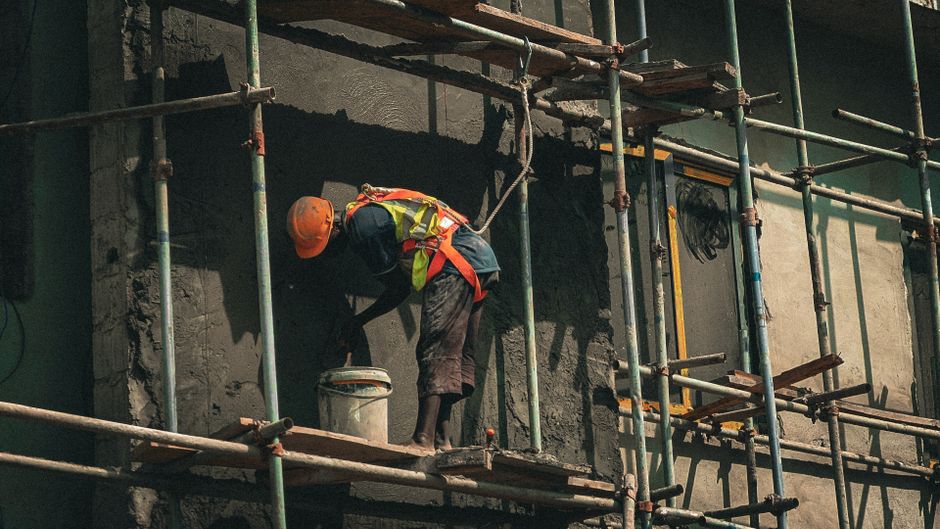
One of the most significant shifts in the construction industry is the integration of technology. Building Information Modeling (BIM), for example, allows for enhanced visualization and collaboration among stakeholders. This technology not only improves efficiency but also reduces errors and costly reworks.
Furthermore, the adoption of drones for site surveys and inspections has revolutionized the way data is collected and analyzed. Drones provide real-time insights, enabling project managers to make informed decisions quickly. The use of augmented reality (AR) and virtual reality (VR) is also on the rise, offering immersive experiences for architects and clients alike.
In addition to these technologies, the Internet of Things (IoT) plays a crucial role in monitoring construction equipment and materials. IoT devices can track usage patterns and predict maintenance needs, enhancing overall project efficiency.
Sustainability and Green Building Practices
Another significant trend in the construction industry is the emphasis on sustainability. As environmental concerns mount, builders are increasingly adopting green building practices. This includes using sustainable materials, optimizing energy efficiency, and minimizing waste.
According to a report by the United Nations, buildings account for approximately 40% of global energy consumption and 33% of greenhouse gas emissions. Consequently, implementing sustainable practices can have a profound impact on the environment. For instance, many construction companies are now focusing on LEED (Leadership in Energy and Environmental Design) certification, which recognizes sustainable building practices.
Moreover, renewable energy installations, such as solar panels, are becoming standard in new constructions, significantly reducing the carbon footprint of buildings.
Workforce Challenges and Solutions
Despite the advancements and growing demand in the construction sector, the industry faces a significant workforce challenge. There is a shortage of skilled labor, which has been exacerbated by the COVID-19 pandemic. Many experienced workers retired, and fewer young people are entering the trades.
To address this challenge, construction firms are investing in training programs and partnerships with educational institutions. By developing apprenticeship programs and hands-on training, companies can cultivate a new generation of skilled workers.
Moreover, promoting diversity and inclusion within the workforce can attract a broader range of talent. Initiatives aimed at encouraging women and minorities to join the construction industry are gaining traction and can help alleviate the skills gap.
Impact of Global Issues on Construction
The construction industry is also impacted by global issues such as economic fluctuations, supply chain disruptions, and regulatory changes. The ongoing geopolitical tensions and trade wars can affect the availability and cost of materials.
For instance, the COVID-19 pandemic caused significant delays in construction projects worldwide due to supply chain interruptions. A survey by the Associated General Contractors of America found that 93% of construction firms reported project delays due to material shortages.
To mitigate these risks, companies are adopting more resilient supply chain strategies, including local sourcing and building strong relationships with suppliers. Additionally, understanding regulatory changes and compliance requirements is vital for maintaining project timelines and budget.
Innovative Financing Solutions
Finally, innovative financing solutions are reshaping the construction industry. Traditional financing methods are often inadequate for large-scale projects. As a result, alternative financing options, such as crowdfunding and public-private partnerships (PPPs), are gaining popularity.
These innovative approaches allow for greater flexibility and access to capital, enabling construction companies to undertake ambitious projects. For instance, some cities are utilizing PPPs to fund infrastructure projects, ensuring that public services are maintained without placing an undue burden on taxpayers.
Moreover, technology-driven financial platforms are streamlining the funding process, making it easier for investors to evaluate and participate in construction projects.
Conclusion
The construction industry is at a pivotal moment, shaped by technological advancements, sustainability efforts, and workforce challenges. As the sector adapts to these changes, staying informed about the latest trends and innovations is crucial for industry professionals. Embracing technology, fostering a skilled workforce, and exploring new financing options will be essential in navigating the future of construction. For those looking to connect with others in the field, joining a construction network charlotte nc can provide valuable resources and opportunities.
