
In today’s fast-paced business environment, the risk of encountering fraudulent invoices has become a significant concern for companies of all sizes. With the increasing sophistication of fraud techniques, organizations must be vigilant in their efforts to identify and prevent invoice fraud. This article explores the various strategies and tools available to effectively detect fraud invoices, ensuring financial security and operational integrity.
Understanding Invoice Fraud
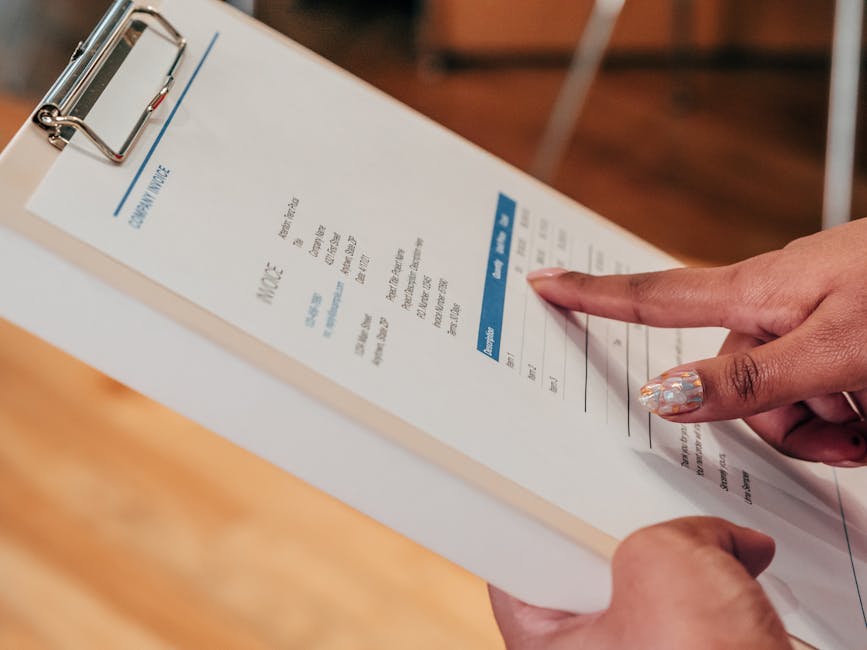
Invoice fraud refers to the submission of fake invoices for payment, often resulting in financial loss for businesses. Fraudsters employ various tactics, including altering legitimate invoices or creating entirely fictitious ones. According to the Association of Certified Fraud Examiners, businesses lose an estimated 5% of their revenue to fraud annually. Understanding the common types of invoice fraud is the first step in combating this issue.
Common types of invoice fraud include:
- Phishing Scams: Fraudsters may impersonate legitimate vendors to trick companies into paying fake invoices.
- Altered Invoices: Criminals may modify existing invoices to change payment details or amounts.
- Fake Vendors: Scammers create fictitious companies that resemble real vendors to submit invoices for payment.
Recognizing Red Flags
Businesses must train employees to recognize the red flags associated with fraudulent invoices. This includes discrepancies in invoice details such as amounts, billing addresses, and vendor information. For instance, if an invoice is received from a vendor with whom the company has an established relationship, but the payment details differ from previous invoices, this should raise suspicion.
Some common red flags to watch for include:
- Inconsistencies in the invoice format compared to previous invoices.
- Urgent payment requests or threats of service disruption.
- Invoices for goods or services that were not ordered or received.
Implementing Verification Processes
Establishing a robust invoice verification process is crucial for detecting fraudulent invoices. Companies should implement a multi-step approval process that involves cross-checking invoices against purchase orders and receiving reports. This can help ensure that all invoices correspond to legitimate transactions.
Automation tools can be beneficial in this regard. For instance, software that integrates with financial systems can flag unusual patterns or discrepancies in invoices automatically. Furthermore, maintaining a vendor database with verified information can assist in verifying the legitimacy of invoices received.
Leveraging Technology for Detection
The advent of technology has provided businesses with powerful tools to combat invoice fraud. Machine learning and artificial intelligence can analyze historical data to identify patterns indicative of fraud. For example, companies can use algorithms that detect anomalies in invoice amounts or frequencies.
Additionally, many business management platforms offer features that allow organizations to detect fraud invoice submissions before processing payments. By using these technologies, businesses can significantly reduce the risk of falling victim to invoice fraud.
Training and Awareness
Education plays a critical role in preventing invoice fraud. Organizations should invest in training programs to educate employees about the risks associated with fraudulent invoices and how to detect them. Regular workshops and updates on fraud trends can keep employees informed and vigilant.
Furthermore, establishing a culture of transparency and communication within the organization can empower employees to report suspicious activities without fear of retribution. Encouraging whistleblower programs can also be an effective strategy to uncover fraudulent activities.
Conclusion
Detecting fraudulent invoices is an ongoing challenge for businesses, but with the right strategies and tools in place, organizations can significantly mitigate this risk. By understanding the nature of invoice fraud, recognizing red flags, implementing verification processes, leveraging technology, and fostering employee awareness, companies can protect their financial resources and maintain their integrity. In a world where fraud is becoming increasingly sophisticated, vigilance and proactive measures are essential for safeguarding businesses against potential threats.
