
Education has always been a cornerstone of society, shaping individuals and communities alike. As the world progresses through technological advancements and cultural shifts, the education system finds itself in a constant state of evolution. This article explores the various facets of education, from traditional methods to modern innovations, and how they impact learners across the globe.
The Traditional Education Model
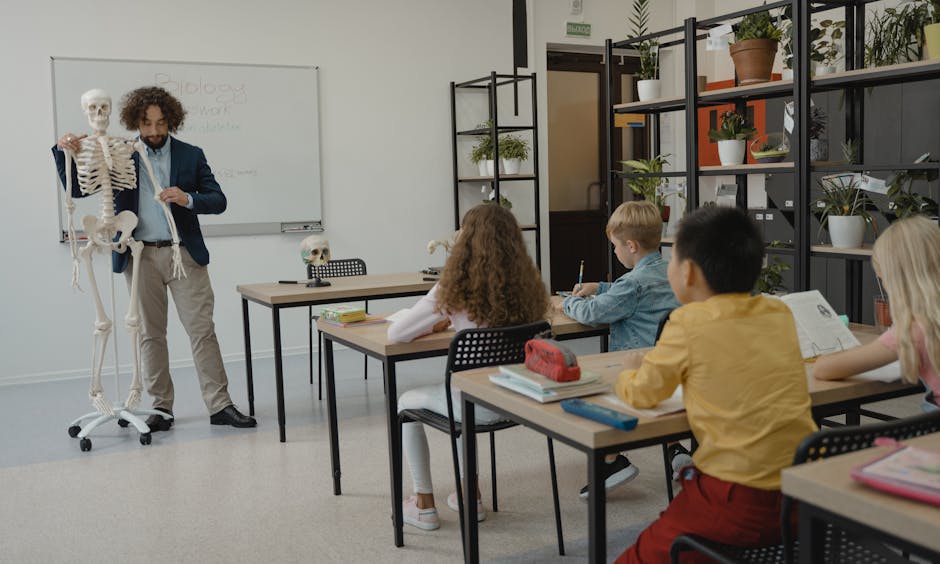
The traditional education model has been the backbone of learning for centuries. It typically involves a structured environment where students are taught a standardized curriculum by a teacher. This method prioritizes rote memorization and standardized testing, which can often limit critical thinking and creativity.
In many countries, this model still prevails, especially in public schooling systems. According to a report by the OECD, students in countries with heavily standardized education systems tend to perform lower in critical thinking assessments compared to those in more flexible environments. This raises the question: is the traditional model still effective in today’s fast-paced world?
Despite its shortcomings, the traditional model has produced successful outcomes for many. For instance, students who thrive in structured environments often excel in standardized tests, which can lead to opportunities for higher education and career advancement.
The Rise of Technology in Education
With the advent of the internet and digital technology, education has undergone a significant transformation. Online learning platforms have democratized access to education, enabling learners from diverse backgrounds to acquire knowledge and skills from the comfort of their homes. Platforms like Coursera and Khan Academy offer courses on a wide range of subjects, often for free or at a low cost.
The COVID-19 pandemic further accelerated this trend, forcing educational institutions to adopt remote learning solutions. According to a study by McKinsey, 93% of teachers reported using digital tools in their classrooms during the pandemic, highlighting a shift towards a more technology-driven approach to education.
However, this shift also presents challenges. The digital divide remains a significant issue; students from low-income families may lack access to reliable internet and devices, thereby widening the educational gap. Thus, while technology offers tremendous potential, it is crucial to address these disparities to ensure equitable access to education.
Innovative Learning Methods
As education evolves, so do the methods of teaching and learning. Innovative approaches such as project-based learning, flipped classrooms, and experiential learning are gaining traction. These methods encourage active participation, critical thinking, and collaboration among students.
For example, project-based learning allows students to engage in real-world challenges, fostering a deeper understanding of the subject matter. According to research by the Buck Institute for Education, students who participate in project-based learning demonstrate higher engagement levels and improved retention of information.
Moreover, experiential learning, which involves learning through experience, is particularly effective in fields such as healthcare and engineering. Programs that incorporate simulations and hands-on activities enable students to apply theoretical knowledge in practical settings, preparing them for future careers.
The Importance of Lifelong Learning
In today’s rapidly changing job market, the concept of lifelong learning has become increasingly important. As industries evolve, so too must the skills of the workforce. Continuous education and professional development are essential for individuals to remain competitive and relevant in their fields.
Many organizations now emphasize the importance of upskilling and reskilling their employees. According to LinkedIn’s 2021 Workplace Learning Report, 94% of employees stated they would stay at a company longer if it invested in their career development. This trend underscores the need for educational institutions to adapt their offerings to support ongoing learning beyond traditional degree programs.
Moreover, initiatives such as online certification programs and workshops provide opportunities for adults to gain new skills without returning to a formal education setting. These flexible options cater to the diverse needs of learners, making education accessible to all.
Conclusion: Embracing the Future of Education
The landscape of education is undergoing a profound transformation. As we embrace new technologies and innovative teaching methods, it is essential to remain focused on providing equitable access to quality education for all. By bridging the digital divide and fostering a culture of lifelong learning, we can empower individuals to thrive in an ever-changing world.
In conclusion, the future of education lies in its ability to adapt and evolve. Whether through traditional classrooms or online platforms, the goal remains the same: to equip learners with the skills and knowledge they need to succeed. As we navigate this journey, initiatives such as In person Nclex review in Houston exemplify how targeted educational support can make a significant difference in the lives of aspiring professionals.
