
Barbecue is more than just a cooking method; it’s a cultural phenomenon that brings people together. From backyard gatherings to competitive cook-offs, the love for barbecue transcends borders and traditions. In this article, we’ll explore the rich world of barbecue, including its history, techniques, and tips for creating the perfect barbecue feast.
The History of Barbecue
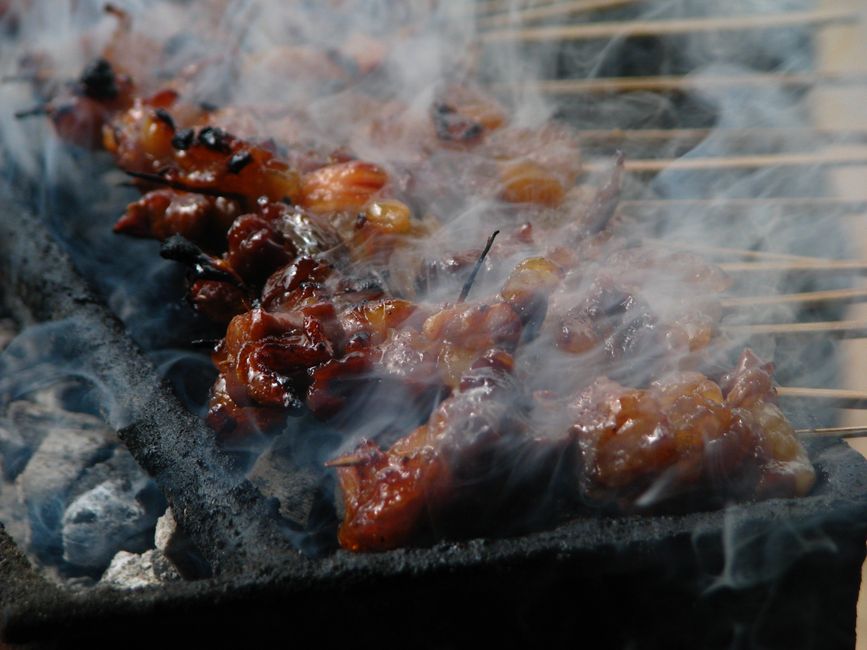
Barbecue has deep roots that can be traced back to indigenous cultures in the Americas. The word itself is believed to have originated from the Taino word ‘barabicu,’ which refers to a wooden framework for cooking meat over an open flame. As European settlers arrived, they adopted and adapted these methods, leading to the diverse styles of barbecue we know today.
In the United States, barbecue styles vary significantly from region to region. The Carolinas are known for their vinegar-based sauces, while Texas boasts a love for brisket and dry rubs. Meanwhile, Kansas City is famous for its sweet tomato-based sauces. Each region has its unique take on barbecue, shaped by local ingredients and cultural influences.
Essential Barbecue Techniques
To master barbecue, one must understand the essential techniques that set it apart from other cooking methods. The two primary methods are direct grilling and indirect smoking. Direct grilling involves cooking meat over high heat, perfect for quick-cooking items like burgers and steaks. On the other hand, indirect smoking requires lower temperatures and longer cooking times, allowing the meat to absorb the smoky flavor.
One important aspect of barbecue is managing the heat source. Whether using charcoal, wood, or gas, understanding how to control the temperature is crucial for achieving tender, flavorful results. For instance, using a two-zone fire on a charcoal grill allows for both direct and indirect cooking, giving the cook greater versatility.
Choosing the Right Cuts of Meat
Not all cuts of meat are created equal when it comes to barbecue. Certain cuts, like brisket and pork shoulder, benefit from low and slow cooking, breaking down collagen and resulting in tender, juicy meat. Other cuts, such as ribs or chicken, can be cooked faster but still require attention to detail to ensure they remain moist and flavorful.
When selecting meat for barbecue, it’s also important to consider the quality. Look for well-marbled cuts, as the fat content helps keep the meat moist during cooking. Additionally, sourcing local and sustainable meats can enhance the flavor and support local farmers.
Secrets to Flavorful Barbecue
Flavor is at the heart of any great barbecue. This can be achieved through various means, including marinades, rubs, and sauces. A good marinade can infuse meat with moisture and flavor, while a dry rub adds texture and a burst of seasoning.
Barbecue sauces often vary by region, but a good sauce typically balances sweetness, acidity, and spice. Experimenting with homemade sauces can lead to unique flavors that reflect personal preferences. Furthermore, the addition of wood chips during smoking can impart distinct flavors, such as hickory, apple, or mesquite.
Hosting the Perfect Barbecue
Once you’ve mastered the art of barbecue, it’s time to put your skills to the test by hosting your own barbecue event. Start by planning your menu, considering the variety of meats and sides that will please your guests. Popular sides include coleslaw, baked beans, and cornbread, which complement the smoky flavors of barbecue.
Don’t forget about beverages! Pairing barbecue with the right drinks can elevate the experience. Craft beers, sweet teas, and even cocktails can enhance the flavors of the food. As you prepare for the event, remember that the atmosphere is just as important as the food. Set up outdoor seating, play some music, and create a welcoming environment for your guests.
Finally, as you embark on this culinary journey, consider reaching out to fellow barbecue enthusiasts for advice and inspiration. Connecting with communities, such as local barbecue clubs or online forums, can provide valuable tips and tricks to further enhance your skills. You might even discover new traditions to incorporate into your own barbecue events.
For those interested in expanding their barbecue knowledge, consider reaching out to experts in the field. For instance, the efforts of organizations like Zeus can provide valuable resources and connections.
Conclusion
Barbecue is more than just a way to cook; it’s a celebration of flavors, culture, and community. By understanding its history, mastering essential techniques, and experimenting with flavors, anyone can become a barbecue aficionado. So fire up the grill, gather your friends and family, and enjoy the delightful experience that barbecue has to offer.
