
In recent years, the agricultural sector has experienced a significant transformation driven by technological advancements. One of the most crucial aspects of modern farming is the irrigation system, which plays a vital role in ensuring optimal crop yield and sustainability. As climate change and water scarcity become increasingly pressing issues, innovative irrigation solutions have emerged to address these challenges. This article will explore the various types of irrigation systems, their benefits, and the future developments that promise to revolutionize agricultural practices.
Understanding Different Types of Irrigation Systems
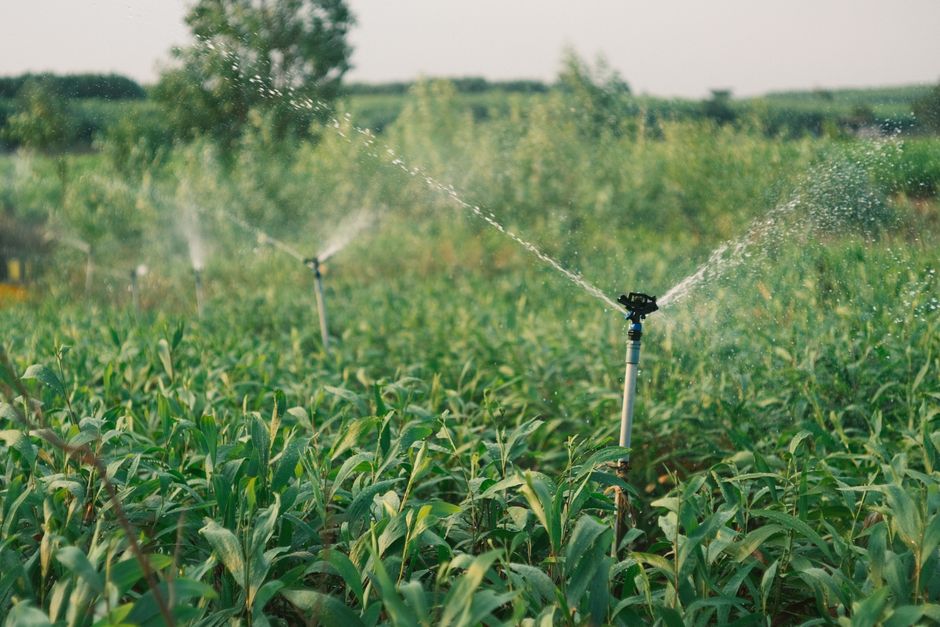
Irrigation systems can be broadly categorized into several types, each with its unique advantages and applications. The most common types include surface irrigation, drip irrigation, and sprinkler irrigation. Surface irrigation involves the direct application of water to the soil surface, allowing it to percolate down to the roots. This method is often used in large fields and is relatively low-cost, but it can lead to water wastage if not managed properly.
On the other hand, drip irrigation is considered one of the most efficient methods available today. It delivers water directly to the plant roots through a network of tubes and emitters, minimizing evaporation and runoff. According to recent studies, drip irrigation can reduce water usage by up to 50% compared to traditional methods while increasing crop yields significantly.
Sprinkler irrigation, meanwhile, mimics natural rainfall by distributing water through a system of pipes and spray heads. This method is versatile and can be adapted to various crop types and terrains. However, it may require more energy and infrastructure investment compared to other systems.
The Benefits of Efficient Irrigation Systems
Implementing an efficient irrigation system can yield numerous benefits for farmers and the environment alike. Firstly, these systems promote water conservation, which is vital in areas facing water shortages. With efficient irrigation, farmers can maintain their yields while using less water, thereby contributing to sustainable agricultural practices.
Moreover, advanced irrigation systems can enhance crop quality and yield. By providing precise amounts of water at the right times, these systems help prevent overwatering and underwatering, which can adversely affect plant growth. Studies have shown that farms utilizing modern irrigation techniques often see a 20-30% increase in crop yields.
Furthermore, efficient irrigation systems can save farmers money in the long run. While the initial investment may be higher, the reduction in water usage and the increase in productivity can lead to significant cost savings. Additionally, many governments offer subsidies and incentives for farmers who adopt water-efficient technologies, making the transition more economically feasible.
Emerging Technologies in Irrigation Systems
The future of irrigation systems is set to be shaped by emerging technologies such as automation, data analytics, and remote sensing. Automation allows for the precise control of irrigation schedules, ensuring that crops receive the optimal amount of water without manual intervention. This is particularly beneficial for large-scale farms where managing irrigation manually can be labor-intensive and time-consuming.
Data analytics plays a crucial role in optimizing irrigation management. By analyzing weather patterns, soil moisture levels, and crop needs, farmers can make informed decisions about when and how much to irrigate. This data-driven approach not only enhances efficiency but also minimizes waste.
Remote sensing technologies, including drones and satellite imagery, provide valuable insights into crop health and irrigation needs. Farmers can monitor their fields from above, identifying areas that require more water or those that are over-irrigated. This level of precision is revolutionizing the way farmers approach irrigation.
The Role of Policy and Education in Advancing Irrigation Practices
As the importance of efficient irrigation systems becomes increasingly recognized, governments and organizations are taking steps to support their adoption. Policy initiatives that promote sustainable water management and provide funding for irrigation infrastructure are crucial in driving change within the agricultural sector.
Education and training programs also play a vital role in ensuring that farmers are equipped with the knowledge and skills necessary to implement and maintain advanced irrigation systems. Workshops, online courses, and field demonstrations can help bridge the gap between technology and practical application, empowering farmers to make informed decisions.
Moreover, collaboration between researchers, agricultural experts, and farmers is essential to develop innovative solutions tailored to specific regional challenges. By fostering a culture of knowledge sharing and innovation, the agricultural community can work together to enhance irrigation practices.
Conclusion: Embracing the Future of Irrigation
The evolution of irrigation systems is a testament to the agricultural sector’s ability to adapt and innovate in the face of global challenges. As water scarcity and climate change continue to threaten food security, investing in efficient irrigation practices is more important than ever. By understanding the various types of systems available, recognizing their benefits, and embracing emerging technologies, farmers can ensure sustainable and productive agricultural practices for years to come. As we look to the future, the integration of advanced irrigation solutions will undoubtedly play a pivotal role in shaping the landscape of modern farming. For those seeking more in-depth insights into the advancements in irrigation systems, visit irrigation system resources for comprehensive research and findings.
