
As the world becomes increasingly aware of the need for sustainable practices, aquaponics has emerged as a revolutionary method for gardening that combines aquaculture and hydroponics. With an aquaponics kit, both novices and experienced gardeners can explore this innovative approach to food production. This article delves into the various aspects of aquaponics kits, including their advantages, components, and how to get started.
Understanding Aquaponics
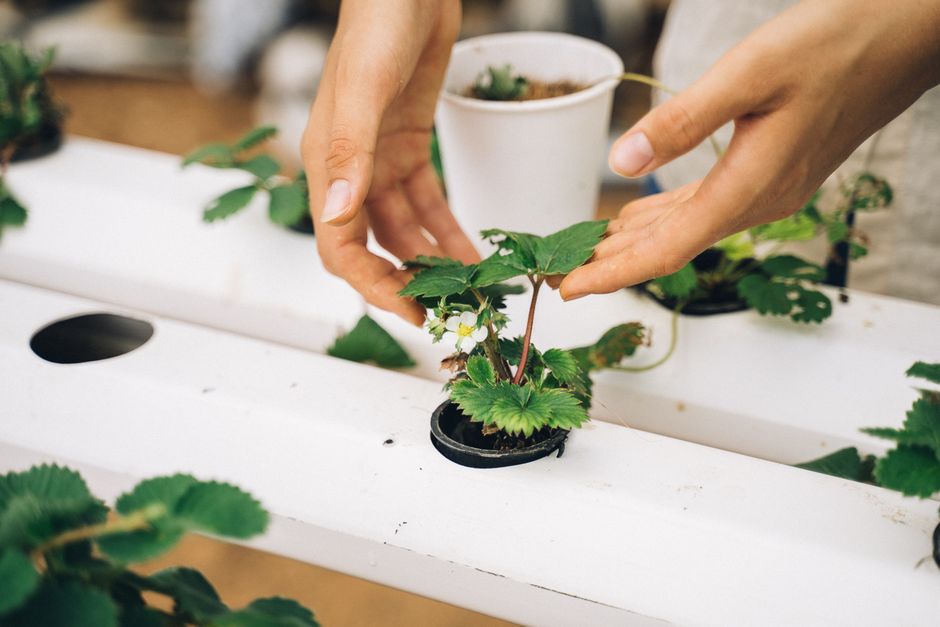
Aquaponics is an integrated system that allows fish and plants to thrive together. In this symbiotic relationship, fish waste provides an organic nutrient source for the plants, while the plants help filter the water for the fish. This closed-loop system not only conserves water but also reduces the need for chemical fertilizers, making it an environmentally friendly alternative to traditional farming methods.
There are several benefits to adopting aquaponics systems, such as reduced water usage, faster plant growth, and the ability to grow food in urban environments. With the right aquaponics kit, anyone can harness these advantages to create a sustainable food source.
Components of an Aquaponics Kit
An aquaponics kit typically includes all the essential components needed to start your own system. Most kits come with a fish tank, a grow bed for plants, a pump, and an aeration system. The size and complexity of the kit can vary depending on the intended use, ranging from small home kits to larger commercial setups.
One of the key elements in an aquaponics kit is the fish tank, which houses the fish that will provide nutrients for the plants. Common fish species used in aquaponics include tilapia, goldfish, and catfish. The grow bed, on the other hand, is where the plants will be cultivated. It is typically filled with a growing medium that provides support for the plants while allowing for proper drainage.
Other important components include a filtration system to remove solid waste from the water, a pump to circulate water between the fish tank and grow bed, and sometimes a heater or light system to optimize growing conditions. Understanding these components is crucial for anyone looking to successfully implement an aquaponics system.
Getting Started with Your Aquaponics Kit
Starting an aquaponics system can be an exciting endeavor. First, it is essential to choose the right location for your kit. Ideally, it should be a space that receives ample sunlight and is protected from extreme weather conditions. After selecting the location, the next step is to set up the fish tank and grow bed according to the instructions provided with your kit.
Once the system is set up, it’s time to choose the fish and plants you want to grow. It’s advisable to start with fast-growing plants like lettuce, herbs, or peppers, which are well-suited for beginners. After introducing fish into the tank, it’s important to monitor water quality, including pH levels, ammonia, and nitrate levels, to ensure a healthy environment for both fish and plants.
Regular maintenance is key to a successful aquaponics system. This includes checking water levels, cleaning filters, and feeding the fish. With patience and dedication, your aquaponics kit can flourish, providing fresh produce and fish for you and your family.
Challenges and Considerations
While aquaponics offers numerous benefits, it is not without its challenges. One potential issue is the balance between fish and plant growth. If the fish population is too high, it may result in excess waste that the plants cannot absorb, leading to poor water quality. Conversely, if there are not enough fish, plants may not receive adequate nutrients.
Another consideration is the initial investment. While aquaponics kits can save money in the long run due to reduced water and food costs, the initial setup can be relatively expensive compared to traditional gardening methods. However, many enthusiasts find that the rewards of growing their own food outweigh the upfront costs.
Lastly, it is essential to stay informed about the best practices in aquaponics. Joining local or online communities can provide valuable insights and support as you navigate the challenges of your aquaponics journey.
The Future of Aquaponics
The future of aquaponics looks promising as more people recognize the need for sustainable food production methods. Innovations in technology are making aquaponics systems more efficient, accessible, and user-friendly. As urbanization continues to rise, aquaponics offers a viable solution for growing food in limited spaces.
Moreover, educational programs and workshops are emerging to teach individuals about aquaponics, further driving interest and participation in this sustainable practice. As awareness increases, so does the potential for aquaponics to contribute to global food security and environmental sustainability.
In conclusion, investing in an aquaponics kit can be a rewarding experience, offering both practical benefits and a deeper connection to food production. By understanding the components, getting started correctly, and navigating the challenges, anyone can enjoy the fruits of their labor through this innovative gardening method.
