
Chemical peel treatments have gained immense popularity in the realm of skincare, offering a variety of solutions for those seeking to rejuvenate their skin. From reducing fine lines and wrinkles to addressing uneven skin tone, these treatments provide an effective alternative to more invasive procedures. However, understanding the process, types, and potential side effects is crucial for anyone considering this treatment.
What is a Chemical Peel?
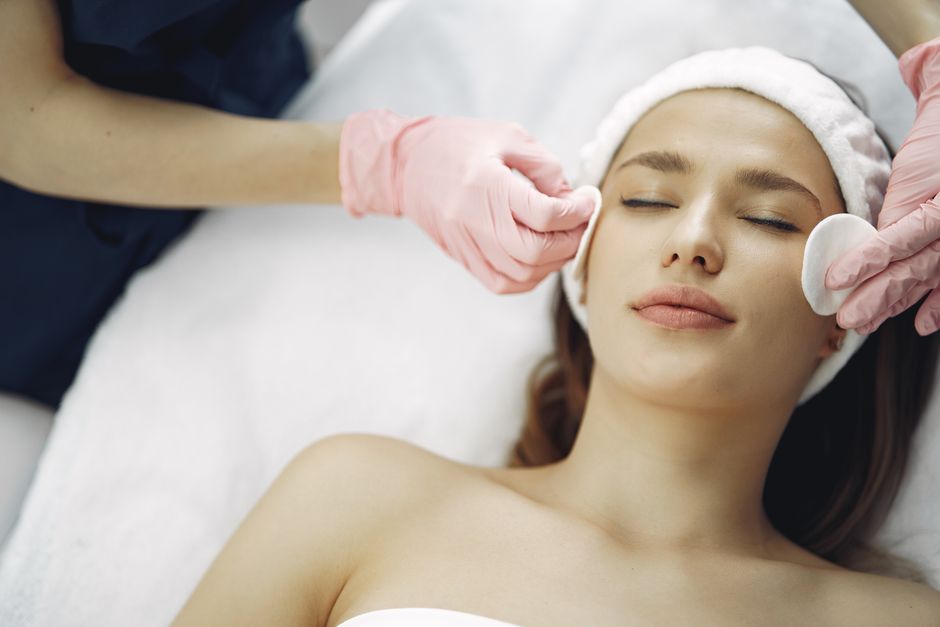
A chemical peel is a cosmetic procedure that involves the application of a chemical solution to the skin, which causes the outer layers to exfoliate and eventually peel off. This process reveals fresher, smoother skin underneath. The depth of the peel can vary, typically categorized into three types: superficial, medium, and deep peels. Each type targets different skin concerns and requires varying recovery times.
Superficial peels, for instance, are often performed to enhance skin texture and tone with minimal downtime. They usually involve mild acids such as glycolic acid. On the other hand, medium peels penetrate deeper and can effectively treat sun damage and more pronounced imperfections, while deep peels, which use stronger chemicals like phenol, target severe skin issues but necessitate a longer recovery period.
Benefits of Chemical Peels
Chemical peels offer numerous benefits, making them a popular choice among individuals seeking skin rejuvenation. One notable advantage is their ability to reduce the appearance of fine lines and wrinkles, providing a more youthful look. Many patients report improved skin texture and tone after undergoing treatment.
Moreover, chemical peels can effectively treat acne scars and pigmentation issues. Procedures tailored to specific skin types can help in minimizing dark spots and discoloration, leading to a clearer, more radiant complexion. Additionally, the procedure stimulates collagen production, which is essential for maintaining skin elasticity and firmness.
What to Expect During the Treatment
Before undergoing a chemical peel, it’s essential to consult with a qualified dermatologist or skincare professional. During the consultation, the practitioner will assess your skin type, discuss your concerns, and recommend the best type of peel for your needs.
On the day of the treatment, the practitioner will cleanse your skin thoroughly and apply the chemical solution. Depending on the type of peel, the solution may be left on for a specific amount of time before being neutralized or removed. Patients may experience a tingling sensation during the application, which is usually tolerable. For deeper peels, sedation may be used to ensure comfort.
Post-Treatment Care
Post-treatment care is crucial for achieving the best results from a chemical peel. After the procedure, it’s normal to experience some redness, swelling, or peeling, especially with deeper peels. Skincare professionals often recommend using gentle cleansers and moisturizers while the skin heals.
Additionally, sun protection is vital. Patients are advised to use broad-spectrum sunscreen and avoid direct sun exposure for several weeks post-treatment to prevent complications and ensure optimal healing. Keeping the skin hydrated and following any specific instructions from the practitioner will also aid the recovery process.
Potential Risks and Side Effects
While chemical peels are generally safe, they are not without risks. Some individuals may experience side effects such as redness, swelling, or irritation, particularly with deeper peels. In rare cases, complications like scarring or changes in skin pigmentation can occur.
It’s important to choose a qualified professional to perform the procedure to minimize these risks. A thorough consultation can help set realistic expectations and ensure that the treatment aligns with your skin type and desired outcomes.
Conclusion
Chemical peel treatments can be a transformative option for those looking to enhance their skin’s appearance. By understanding the different types of peels, the benefits, and the care required, individuals can make informed decisions about their skincare journey. If you’re considering this procedure, consult with a professional to explore the best options available for your unique skin needs. For more information on chemical peel treatment and its benefits, reach out to a skincare expert today.
