
The landscape of industrial manufacturing is rapidly evolving, driven by the demand for increased efficiency and productivity. Industrial automation suppliers play a crucial role in this transformation, providing the technologies and solutions that facilitate seamless operations across various sectors. From robotics to control systems, these suppliers are at the forefront of innovation, reshaping how industries operate. This article explores the significance of industrial automation suppliers and the various factors to consider when selecting one.
Understanding Industrial Automation
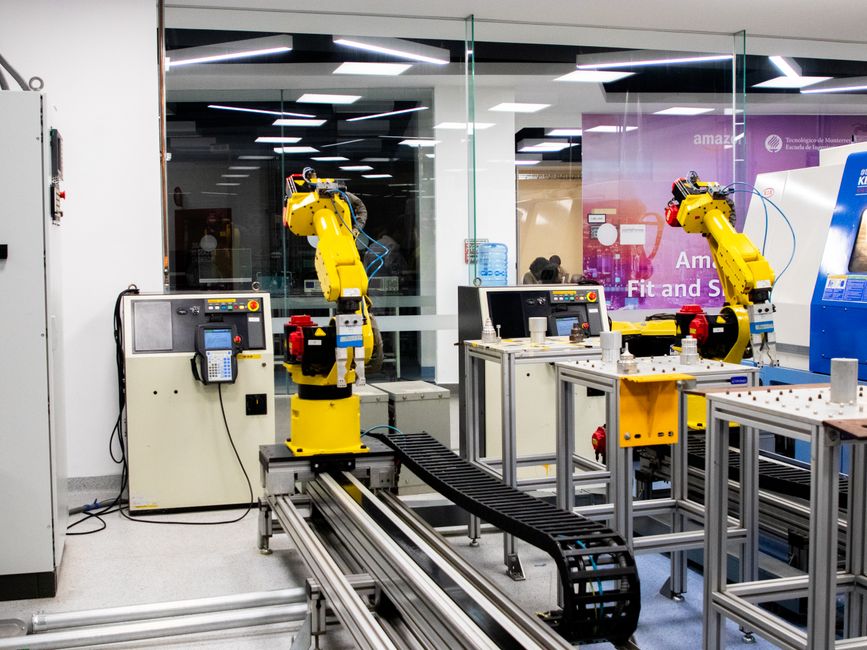
Industrial automation refers to the use of control systems, such as computers or robots, for handling different processes and machinery in an industry to replace human intervention. The primary goal is to enhance productivity, improve quality, and ensure safety in manufacturing processes. Automation can be found in various sectors, including automotive, electronics, and food and beverage, each requiring tailored solutions to meet specific challenges.
According to a recent report by Markets and Markets, the global industrial automation market is projected to reach USD 296.70 billion by 2026, growing at a CAGR of 9.2% from 2021. This growth is driven by the increasing need for operational efficiency, the rise of smart factories, and the adoption of advanced technologies such as the Internet of Things (IoT) and artificial intelligence (AI).
As industries continue to embrace automation, the role of industrial automation suppliers becomes even more critical. They provide not only the necessary equipment but also the expertise to integrate these systems into existing operations.
Choosing the Right Industrial Automation Supplier
Selecting the right industrial automation supplier can significantly impact an organization’s operational success. Several factors should be considered during this process:
1. Experience and Expertise: Look for suppliers with a proven track record in your specific industry. Experienced suppliers can offer valuable insights and solutions tailored to your unique challenges.
2. Product Range: A comprehensive product range is essential. Suppliers should offer various automation solutions, including sensors, actuators, control systems, and software. This variety ensures that you can find the right components for your automation needs.
3. Customer Support: A reliable supplier should provide excellent customer support, including installation, maintenance, and training services. This support is crucial for minimizing downtime and ensuring that your automation systems function seamlessly.
For instance, many companies turn to an industrial automation supplier that not only provides high-quality products but also offers extensive training programs for staff to maximize the benefits of automation.
The Impact of Technology on Industrial Automation
Technological advancements are at the heart of industrial automation. Innovations such as IoT, AI, and machine learning are transforming how industries operate. These technologies allow for real-time data collection and analysis, enabling smarter decision-making and predictive maintenance.
For example, IoT devices can monitor machinery performance, sending alerts when maintenance is needed, thus preventing costly breakdowns. AI algorithms can analyze production data to optimize processes, leading to higher efficiency and reduced waste.
Moreover, the integration of robotics in manufacturing is revolutionizing workflows. Collaborative robots, or cobots, work alongside human operators, enhancing productivity and safety in the workplace. Companies that adopt these technologies often see significant improvements in their operational efficiency and output quality.
Case Studies: Successful Automation Implementations
Several companies have successfully implemented automation solutions, showcasing the transformative power of industrial automation suppliers. For instance, a leading automotive manufacturer integrated advanced robotics in its assembly line, resulting in a 30% increase in production efficiency. This shift not only reduced labor costs but also improved product quality.
Another notable example is a food processing company that adopted IoT-enabled sensors to monitor temperature and humidity levels throughout its production process. This implementation led to a 25% reduction in food spoilage and improved compliance with safety regulations.
These case studies illustrate the tangible benefits that can be achieved through effective collaboration with industrial automation suppliers, reinforcing the importance of selecting the right partner in your automation journey.
Future Trends in Industrial Automation
The future of industrial automation is poised for significant advancements. Key trends include:
1. Increased Adoption of AI: As AI technologies continue to evolve, their application in industrial automation will expand, allowing for more sophisticated automation systems capable of learning and adapting to changing conditions.
2. Expansion of Smart Factories: The concept of smart factories, characterized by interconnected machinery and systems, will become more prevalent. This shift will enhance data sharing and collaboration across the supply chain.
3. Sustainable Practices: Environmental sustainability is becoming a priority for many industries. Automation suppliers will play a vital role in developing solutions that minimize energy consumption and waste, contributing to a greener future.
Conclusion
Industrial automation suppliers are integral to the ongoing transformation of the manufacturing landscape. By providing innovative solutions and expert guidance, they empower industries to enhance productivity, safety, and efficiency. As technology continues to advance, the collaboration between manufacturers and automation suppliers will be crucial in navigating the challenges and opportunities that lie ahead. Ultimately, choosing the right supplier can make all the difference in achieving your automation goals and driving your business forward.
