
In the aviation industry, safety is non-negotiable. Aircraft maintenance companies play a critical role in ensuring that every flight is safe and reliable. With the increasing number of air travel passengers globally, the demand for proficient maintenance services has surged. This article delves into the essential functions of aircraft maintenance companies, the challenges they face, and the innovations transforming this vital sector.
The Importance of Aircraft Maintenance
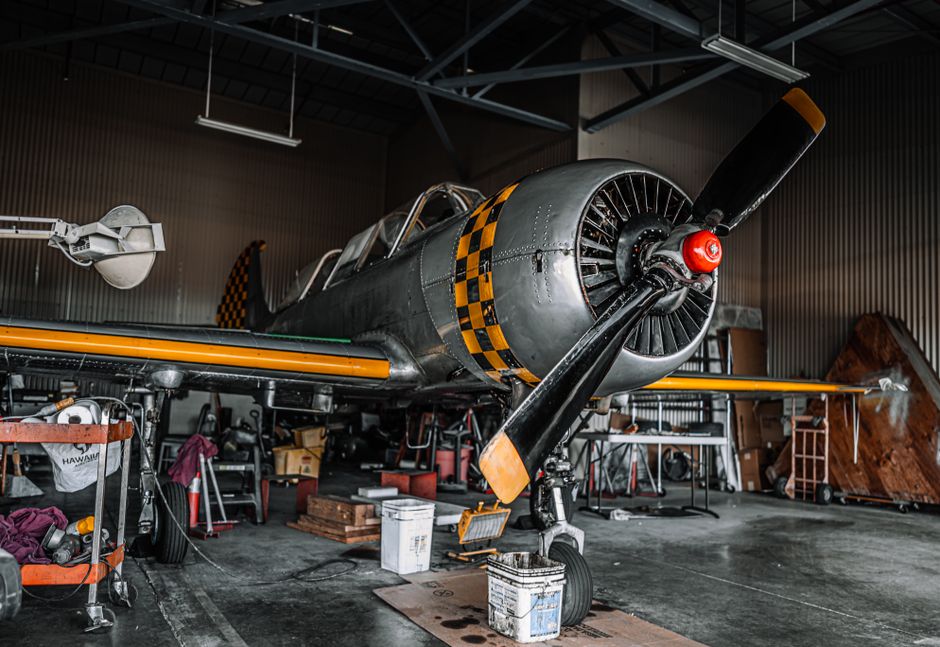
Aircraft maintenance is not just a regulatory requirement; it is a fundamental aspect of aviation safety. Regular maintenance checks, which include inspections and repairs, ensure that all aircraft systems function optimally. According to the Federal Aviation Administration (FAA), approximately 70% of aviation accidents can be attributed to maintenance-related issues. This statistic underscores the need for diligent maintenance practices.
Moreover, aircraft maintenance companies are responsible for adhering to stringent regulations set forth by aviation authorities. These regulations include regular checks, servicing, and updates to ensure that aircraft meet safety standards. Failing to comply with these regulations can lead to severe penalties, including grounding of aircraft.
Additionally, the financial implications of maintenance are significant. Airlines must balance the costs of maintenance with operational efficiency. Poor maintenance can lead to increased downtime and operational delays, translating to lost revenue. Therefore, effective aircraft maintenance is essential not only for safety but also for financial sustainability.
Types of Aircraft Maintenance Services
Aircraft maintenance companies offer a variety of services tailored to different needs. These services can be broadly categorized into three types: line maintenance, base maintenance, and heavy maintenance.
Line maintenance refers to routine checks that are conducted between flights. These include minor repairs, refueling, and inspections that ensure the aircraft is ready for the next flight. Base maintenance, on the other hand, involves more comprehensive checks and repairs that typically occur when the aircraft is not in operation. This can include detailed inspections of the airframe and systems.
Heavy maintenance is the most intensive type of maintenance, often requiring a longer duration and extensive work. This includes complete overhauls and significant repairs. Airlines usually schedule heavy maintenance during planned downtimes, such as during the off-peak travel seasons.
Challenges Faced by Aircraft Maintenance Companies
Despite their crucial role, aircraft maintenance companies face numerous challenges. One major challenge is the shortage of skilled technicians. As the aviation industry continues to grow, there is a pressing need for trained professionals who can perform complex maintenance tasks. The lack of skilled labor can lead to delays in maintenance processes, impacting overall flight schedules.
Another challenge is the rapidly evolving technology in aircraft systems. Modern aircraft are equipped with advanced avionics and systems that require specialized knowledge to maintain. Keeping technicians updated with the latest technologies is essential but can be resource-intensive.
Additionally, aircraft maintenance companies must navigate the complexities of supply chain management. Delays in receiving parts can hinder maintenance processes and lead to increased operational costs. Effective inventory management and relationships with suppliers are crucial in mitigating these issues.
Innovations in Aircraft Maintenance
The aircraft maintenance industry is witnessing significant innovations aimed at improving efficiency and safety. One such innovation is the use of predictive maintenance technology. By utilizing data analytics and machine learning, maintenance companies can predict potential failures before they occur, allowing for proactive maintenance scheduling. This not only enhances safety but also reduces downtime.
Another promising trend is the adoption of augmented reality (AR) for maintenance training and support. Technicians can use AR tools to visualize complex systems and receive real-time guidance during repairs. This technology enhances accuracy and reduces the risk of errors.
Moreover, the implementation of drone technology for inspections is gaining traction. Drones can quickly and efficiently inspect hard-to-reach areas of an aircraft, providing detailed data without the need for scaffolding or extensive manual checks. This not only saves time but also improves safety by reducing the need for technicians to work in hazardous conditions.
Conclusion
In conclusion, aircraft maintenance companies are integral to the safety and efficiency of the aviation industry. As air travel continues to grow, so does the need for effective maintenance solutions. By understanding the importance of maintenance, the types of services offered, the challenges faced, and the innovations on the horizon, stakeholders can better appreciate the vital role these companies play. Investing in skilled labor, embracing new technologies, and maintaining robust supply chains will be essential for the continued success of aircraft maintenance companies. For those looking to explore professional services in this field, engaging an aircraft maintenance company is a critical step in ensuring high safety standards and operational excellence.
