
Rubber molding is a critical process in the manufacturing industry, used for producing a wide range of rubber products. This technique involves shaping rubber into specific forms using heat and pressure, making it essential for various applications, from automotive parts to consumer goods. The demand for high-quality molded rubber products has led to the rise of specialized manufacturers that focus on this intricate process. In this article, we will explore the fundamentals of rubber molding, the different types of molding methods, and how to choose the right manufacturer for your needs.
What is Rubber Molding?
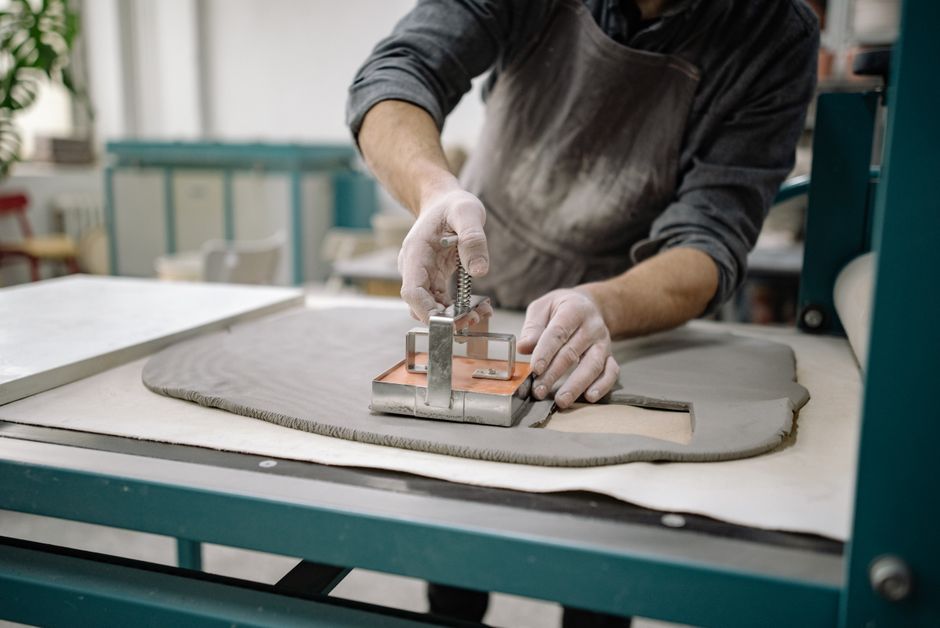
Rubber molding refers to the process of shaping rubber materials into specific forms through the application of heat and pressure. The process can be categorized into various methods, including compression molding, transfer molding, and injection molding. Each method has its unique advantages and is suited for different applications. Understanding these differences is crucial for businesses looking to produce rubber components effectively.
Compression molding is one of the oldest methods used in rubber molding. In this process, rubber is placed into a heated mold and then compressed to form the desired shape. This method is typically used for producing large parts, such as gaskets and seals. On the other hand, injection molding involves injecting rubber material into a mold under high pressure, allowing for more detailed and complex shapes. This method is ideal for high-volume production and achieving tight tolerances.
Types of Rubber Molding Methods
When it comes to rubber molding, there are several methods available, each tailored to specific needs. The three most commonly used methods are compression molding, transfer molding, and injection molding.
Compression molding is widely used for its simplicity and cost-effectiveness. It is particularly suitable for larger parts and can accommodate various rubber compounds. However, it may not be the best choice for intricate designs. Transfer molding, meanwhile, offers more flexibility and is often used for medium-sized parts with complex geometries. This method also minimizes waste and can handle multiple materials.
Lastly, injection molding is the go-to method for precision and efficiency. It allows manufacturers to produce high volumes of parts with consistent quality. For businesses looking to scale production while maintaining high standards, injection molding is often the preferred choice.
Choosing the Right Manufacturer
Selecting the right manufacturer for rubber molding can significantly impact the quality and cost-effectiveness of your products. Factors to consider include the manufacturer’s experience, capabilities, and reputation in the industry. It’s essential to choose a manufacturer that specializes in the specific type of molding you require.
Additionally, consider the manufacturer’s technological capabilities. Are they using the latest machinery and techniques? This can affect the precision and efficiency of the production process. Quality control is another critical aspect; ensure that the manufacturer has rigorous quality assurance processes in place to deliver products that meet your specifications.
Lastly, communication is key. A manufacturer that is responsive and transparent about their processes can help build a strong partnership, leading to better outcomes for your projects. If you’re looking for a reliable fabricante moldeo caucho, it’s important to do your research and ask for references or case studies that demonstrate their expertise.
Applications of Molded Rubber Products
Molded rubber products are ubiquitous in many industries, ranging from automotive to medical. In the automotive sector, rubber components are used in tires, seals, gaskets, and suspension systems. These products must withstand extreme conditions, making quality and durability paramount.
In the medical field, molded rubber is used for various applications, including seals for medical devices, tubing, and protective covers. The biocompatibility of the rubber material is crucial here, as it must meet strict health and safety standards.
Consumer goods also benefit from rubber molding. From kitchen utensils to electronic device casings, molded rubber provides a combination of flexibility, durability, and aesthetics. As consumer expectations continue to evolve, manufacturers must innovate and adapt their molding processes to meet these demands.
The Future of Rubber Molding
The rubber molding industry is continuously evolving, driven by advancements in technology and materials. Innovations such as 3D printing and the use of sustainable materials are beginning to transform the landscape. These developments not only enhance product quality but also reduce waste and improve efficiency.
Furthermore, the growing emphasis on sustainability is prompting manufacturers to explore eco-friendly rubber compounds and recycling methods. As industries strive to minimize their environmental impact, the demand for sustainable rubber products will likely increase.
In conclusion, the rubber molding industry is integral to various sectors, providing essential components that meet stringent quality and performance standards. Understanding the different molding methods, choosing the right manufacturer, and staying informed about industry trends will empower businesses to leverage rubber molding effectively.
Conclusion
Rubber molding is a sophisticated process that plays a vital role in manufacturing a multitude of products across various industries. By understanding the different types of molding methods and the importance of selecting the right manufacturer, businesses can ensure the production of high-quality rubber components. As technology continues to advance, staying updated on industry trends will be essential for companies looking to remain competitive in this dynamic market.
