
In a world where technology and creativity intertwine, the children toy manufacturing industry is evolving at a remarkable pace. As parents increasingly seek educational and engaging toys for their children, manufacturers are responding with innovative designs and materials. This article delves into the latest trends, challenges, and opportunities within the children toy manufacturing sector.
Emerging Trends in Toy Manufacturing
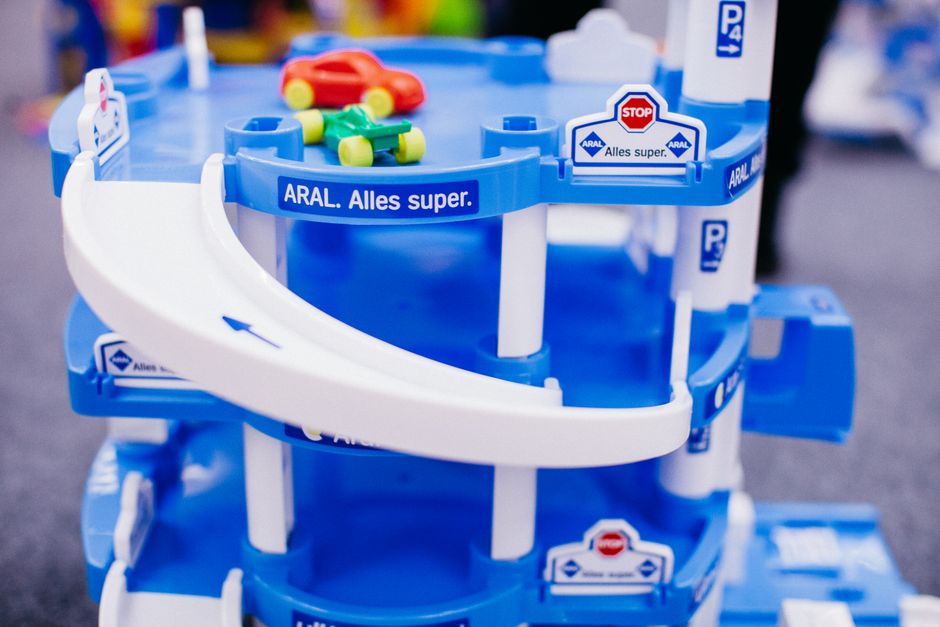
The landscape of toy manufacturing is changing rapidly. One significant trend is the shift towards sustainable materials. Many manufacturers are now focusing on creating toys from eco-friendly resources, recognizing the growing consumer demand for environmentally responsible products. For instance, companies like LEGO have committed to producing bricks from sustainable sources by 2030.
Additionally, technology integration is becoming a hallmark of modern toys. Smart toys that incorporate AI and interactive features are gaining popularity. These toys not only provide entertainment but also promote learning through play. For example, coding robots have become a favorite among parents and educators, combining fun with educational value.
Another notable trend is the personalization of toys. Customizable products allow children to express their individuality, fostering creativity and self-expression. Parents appreciate the unique aspect of personalized toys, making them highly sought after in the market.
Challenges in the Industry
Despite the positive trends, the children toy manufacturing industry faces several challenges. One of the primary concerns is safety. With the increasing complexity of toys, ensuring they meet safety standards is crucial. Manufacturers must navigate stringent regulations and conduct thorough testing to avoid recalls and maintain consumer trust.
Moreover, the rise of digital toys has sparked debates about screen time and its impact on children’s development. While digital toys can offer educational benefits, parents are increasingly cautious about the amount of time their children spend engaged with screens. Manufacturers must find a balance between innovation and ensuring that their products promote healthy play habits.
Supply chain disruptions, exacerbated by global events like the pandemic, also pose significant challenges. Manufacturers must adapt to fluctuating material costs and shipping delays while maintaining product quality and affordability.
Opportunities for Growth
Despite these challenges, the children toy manufacturing industry presents numerous opportunities for growth. The global toy market is projected to reach over $120 billion by 2023, driven by increasing disposable incomes and a growing emphasis on play-based learning. This growth offers manufacturers a chance to expand their product lines and enter new markets.
Furthermore, collaborations with educational institutions can lead to the development of toys that align with learning objectives. By working closely with educators, manufacturers can create products that not only entertain but also educate, enhancing their appeal to parents.
The rise of e-commerce also opens new avenues for toy manufacturers. With consumers increasingly shopping online, having a strong digital presence is essential. Companies that invest in robust e-commerce platforms and digital marketing strategies are more likely to succeed in reaching their target audience.
The Role of Innovation in Toy Design
Innovation is at the heart of the children toy manufacturing industry. Manufacturers are continuously exploring new materials, technologies, and designs to create engaging and educational products. For example, augmented reality (AR) toys are becoming more prevalent, allowing children to interact with physical toys in a digital environment. This blend of reality and virtual play enhances the overall experience and keeps children engaged longer.
Additionally, incorporating STEM (Science, Technology, Engineering, and Mathematics) principles into toy design is gaining traction. Toys that encourage problem-solving and critical thinking skills are not only entertaining but also contribute to children’s development. Manufacturers that prioritize STEM-focused toys are likely to see increased demand from parents and educators alike.
Collaboration with artists and designers can also lead to unique toy concepts that stand out in a crowded market. By incorporating artistic elements, manufacturers can create visually appealing toys that capture children’s imaginations.
Conclusion
The children toy manufacturing industry is at a pivotal moment, marked by innovation, sustainability, and changing consumer preferences. As manufacturers navigate challenges such as safety, screen time, and supply chain issues, they must also seize opportunities for growth through collaboration, e-commerce, and creative design. By focusing on the needs of both children and parents, the industry can continue to thrive and shape the future of play. For those interested in the business side of this dynamic industry, connecting with a reputable children toy manufacturer can provide valuable insights into market trends and successful strategies.
