
In the world of gaming, having the right setup can dramatically enhance your experience. A custom-built gaming PC allows you to tailor performance, aesthetics, and functionality to your specific needs. Whether you’re a casual gamer or a hardcore enthusiast, understanding how to build your own gaming PC can not only save you money but also provide a sense of accomplishment. This guide will walk you through the essential components, considerations, and tips for creating a gaming rig that meets your expectations.
Understanding the Basics of PC Components
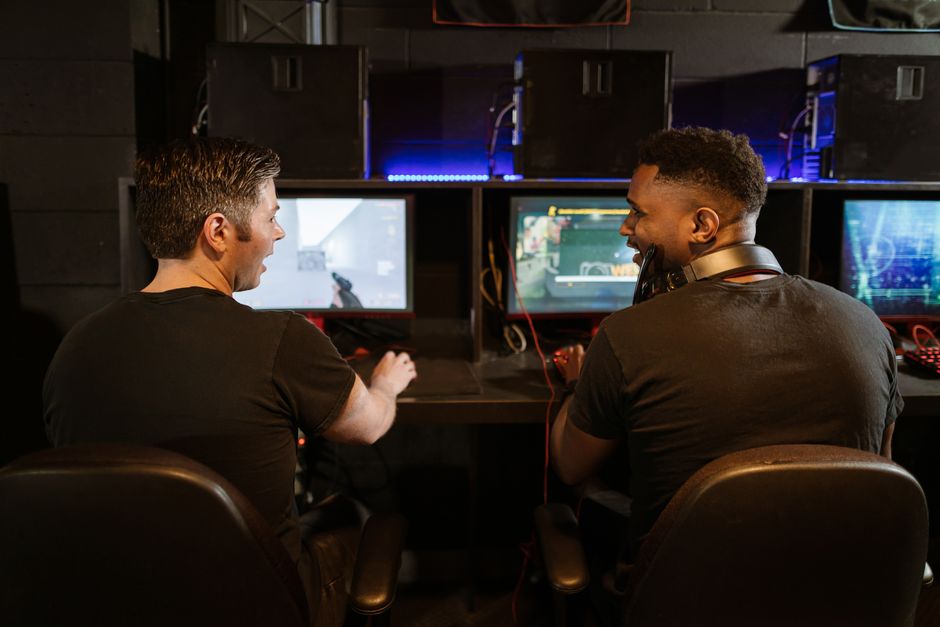
Before diving into the actual building process, it’s crucial to understand the core components that make up a gaming PC. The primary parts include the CPU, GPU, motherboard, RAM, storage, power supply, and the case. Each of these components plays a vital role in determining the performance and overall experience of your gaming PC.
The CPU, or central processing unit, acts as the brain of your computer. It processes instructions and executes commands. For gaming, consider a multi-core processor to handle demanding tasks. The GPU, or graphics processing unit, is equally important, as it renders images and graphics, allowing you to enjoy high-quality visuals. Selecting a high-performance GPU can be the difference between a mediocre experience and one that is truly immersive.
Other components such as the motherboard, which connects all parts, and RAM, which provides short-term memory, are also essential. Moreover, your choice of storage can affect load times; SSDs (solid-state drives) are faster than traditional HDDs (hard disk drives). Understanding these components will help you make informed decisions when selecting parts for your custom build.
Choosing the Right Components
When it comes to selecting components for your gaming PC, it’s important to balance performance and budget. Research is key here; numerous resources online can help you compare different parts. Websites such as gaming PC builder can assist in making selections based on compatibility and user reviews.
Start with your budget and decide how much you want to invest in your gaming rig. High-end components offer superior performance but can also significantly increase costs. For example, while a high-end GPU might cost over $1,000, mid-range options can still deliver great performance for around $300-$500.
Don’t forget about cooling solutions. High-performance components generate heat, and effective cooling is essential for maintaining optimal performance. Consider investing in quality cooling fans or liquid cooling systems, especially if you plan to overclock your CPU or GPU.
Assembling Your Gaming PC
Once you’ve gathered all your components, it’s time to start assembling your gaming PC. Begin by preparing your workspace; make sure you have all tools at hand, including a screwdriver and anti-static wrist strap. Organize your components and read the manuals carefully, as each part may have specific installation instructions.
Start by installing the CPU onto the motherboard, followed by the RAM. Next, mount the motherboard into the case, ensuring all screws are secure. After that, install the GPU and connect the necessary power cables. Finally, add your storage solutions and ensure all connections are properly made.
Before closing up the case, double-check all connections and ensure that cables are neatly managed to promote airflow. Once everything is in place, power on your PC and enter the BIOS to check if all components are recognized. If everything is functioning correctly, you can proceed to install your operating system and drivers.
Optimizing Your Gaming Experience
After successfully building your PC, it’s time to optimize your gaming experience. This step includes installing the latest drivers for your hardware and configuring settings within your games for optimal performance. Use benchmarking tools to assess your system’s capabilities and identify any areas for improvement.
Additionally, consider overclocking your CPU and GPU for enhanced performance. However, be cautious with this process, as it can lead to overheating. Make sure you have proper cooling solutions in place and monitor temperatures closely.
Lastly, don’t overlook aesthetics. Many gamers enjoy customizing the look of their PCs with RGB lighting, custom cases, and cable management. Personalizing your build not only enhances the visual appeal but can also make your gaming rig feel more like yours.
Conclusion: The Satisfaction of Building Your Own PC
Building your own gaming PC is not just about having the best hardware; it’s about the satisfaction that comes from creating something tailored to your preferences. With the right knowledge and preparation, anyone can embark on this rewarding journey. From understanding components to assembling and optimizing your build, every step is an opportunity to learn and grow as a gamer.
So, whether you’re looking to dive into the latest AAA titles or explore virtual reality experiences, building your own gaming PC can elevate your gaming to new heights. Take the time to research, plan, and execute your build, and enjoy the fruits of your labor for years to come.
