
In the competitive world of dining, the interior design of a restaurant plays a crucial role in attracting customers and creating a memorable experience. A well-designed space not only reflects the restaurant’s brand identity but also enhances the overall dining experience. This article explores the key elements of restaurant interior design, providing insights for restaurateurs looking to elevate their establishments.
The Importance of First Impressions
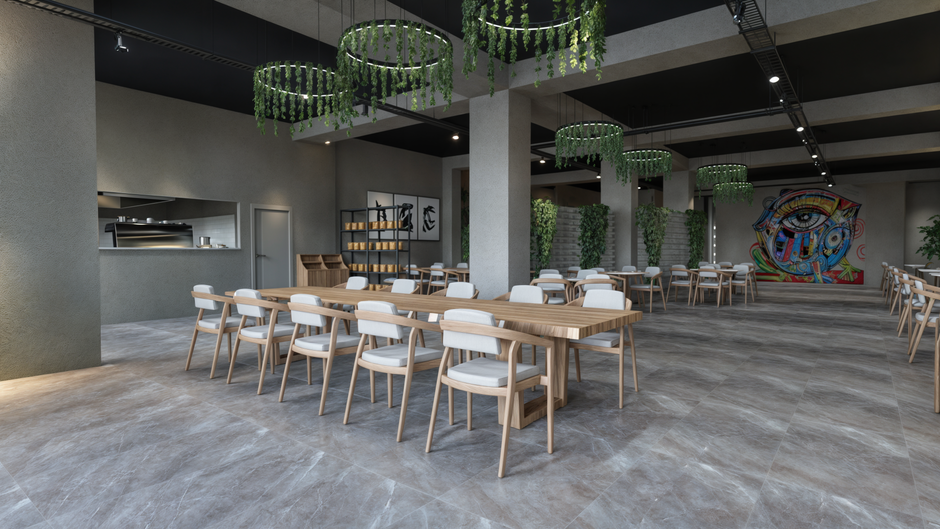
When customers walk into a restaurant, their first impression is often shaped by the interior design. Colors, lighting, and layout all contribute to the immediate perception of the space. Studies have shown that a well-thought-out design can increase customer satisfaction and loyalty. For instance, a survey by the National Restaurant Association found that 80% of diners consider the ambiance as a significant factor in their dining experience.
One effective way to create a lasting first impression is through the use of unique design elements. For example, a restaurant might incorporate local art or cultural motifs that resonate with the community. This not only enhances the aesthetic appeal but also fosters a sense of connection with the diners.
Functional Layout and Flow
While aesthetics are important, functionality should never be overlooked in restaurant interior design. The layout should facilitate a smooth flow for both staff and customers. A well-planned space allows for efficient service, reducing wait times and enhancing the overall dining experience.
For example, the positioning of tables and seating can significantly affect how customers interact with the space. Restaurants that incorporate varied seating options—such as booths, communal tables, and outdoor patios—can cater to different dining preferences, making the space more versatile and inviting.
Lighting: Setting the Mood
Lighting is one of the most critical aspects of restaurant interior design. It has the power to transform a space, influencing the mood and atmosphere. Different types of lighting, such as ambient, task, and accent lighting, can be used strategically to create the desired ambiance.
For instance, a fine dining restaurant may opt for dimmer, warmer lighting to create an intimate atmosphere, while a casual eatery might use brighter, more vibrant lights to encourage a lively and energetic environment. Effective use of lighting can enhance the dining experience, making it more enjoyable and memorable for customers.
Color Psychology in Design
Color choices in restaurant interior design can profoundly influence diners’ emotions and behaviors. According to color psychology, different colors evoke specific feelings and reactions. For instance, warm colors like red and orange can stimulate appetite and conversation, while cooler colors like blue can create a calming effect.
Restaurateurs should carefully consider their color palette, aligning it with their brand identity and the dining experience they wish to offer. A study published in the Journal of Environmental Psychology highlights that the right color combinations can lead to increased customer satisfaction and longer dining times, ultimately impacting sales.
Incorporating Technology and Sustainability
In today’s digital age, incorporating technology into restaurant interior design is becoming increasingly important. Features such as digital menus, interactive tables, and smart lighting systems can enhance customer engagement and streamline operations. These technologies not only improve efficiency but also create a modern and innovative dining experience.
Additionally, sustainability is a growing concern among consumers. Restaurants that focus on environmentally friendly design—such as using recycled materials, energy-efficient lighting, and sustainable furniture—can appeal to eco-conscious diners. This not only helps the environment but also enhances the restaurant’s brand image, attracting a wider audience.
Conclusion
Restaurant interior design is a multifaceted discipline that combines aesthetics, functionality, and psychology. By understanding the importance of first impressions, creating a functional layout, and incorporating elements like lighting and color psychology, restaurateurs can craft inviting spaces that enhance the dining experience. As the industry evolves, embracing technology and sustainability will further distinguish successful establishments in a competitive market. For those passionate about creating unique dining environments, exploring the principles of restaurant interior design can be the key to success.
