
In recent years, organic farming has gained immense popularity among consumers and farmers alike. With a growing awareness of the benefits of sustainably grown food, more individuals are looking to transition to organic practices. However, to maintain a thriving organic farm, the right supplies and resources are essential. This article explores various organic farming supplies that can help farmers achieve success in their sustainable agriculture journey.
Understanding Organic Farming Supplies
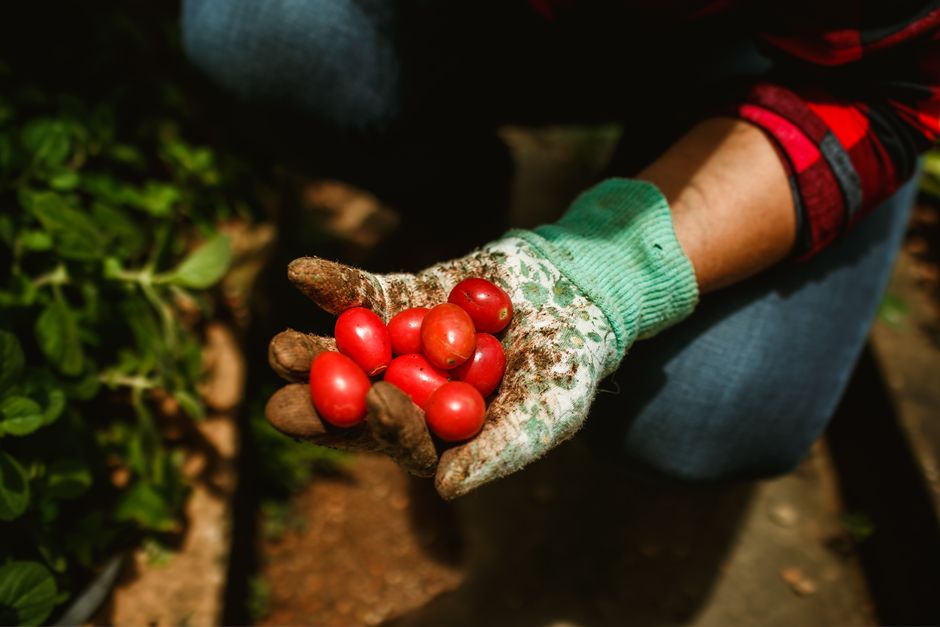
Organic farming supplies encompass a wide range of products and materials necessary for cultivating organic crops. These supplies are designed to support the principles of organic farming, which emphasize biodiversity, ecological balance, and the use of natural inputs. Key categories of organic farming supplies include seeds, fertilizers, pest control products, and tools.
Firstly, organic seeds are vital for any organic farm. Unlike conventional seeds, organic seeds are produced without synthetic fertilizers or pesticides, ensuring the integrity of the crops. Farmers should look for seeds that are certified organic and suitable for their specific climate and soil conditions. Additionally, using organic farming supplies can provide farmers with a diverse selection of heirloom and hybrid varieties.
Natural Fertilizers and Soil Amendments
Another critical aspect of organic farming is soil health. Healthy soil is the foundation of successful crop production, and using natural fertilizers and soil amendments can significantly improve soil quality. Organic fertilizers, such as compost, manure, and cover crops, enrich the soil with essential nutrients while promoting microbial activity.
Farmers can also benefit from incorporating amendments like bone meal, blood meal, and fish emulsion into their soil management practices. These products not only provide necessary nutrients but also enhance soil structure and water retention. Regular soil testing can help farmers determine the specific amendments needed to optimize their soil health.
Pest Management in Organic Farming
Effective pest management is crucial for maintaining healthy crops in organic farming. Unlike conventional farming, where synthetic pesticides are used, organic farmers must rely on natural pest control methods. This can include the use of beneficial insects, traps, and organic-approved pesticides.
Farmers can introduce predators, such as ladybugs and lacewings, to control aphid populations naturally. Additionally, employing crop rotation and companion planting can help disrupt pest life cycles and reduce infestations. Utilizing organic pest control products that are derived from natural sources can also provide effective solutions without harming the environment.
Tools and Equipment for Organic Farmers
Having the right tools and equipment is essential for any farmer, but it is particularly important for organic farming. Tools designed for organic farming often focus on maintaining soil health and reducing environmental impact. Hand tools, such as hoes, trowels, and cultivators, allow farmers to manage their crops without the need for heavy machinery.
Moreover, equipment like seeders and compost spreaders can greatly improve efficiency on the farm. Investing in high-quality, durable tools can save time and labor costs in the long run. Organic farmers should also consider using renewable energy sources, such as solar panels, to power their operations sustainably.
Finding Reliable Organic Farming Supplies
To ensure success in organic farming, it is essential to source supplies from reputable suppliers. Farmers should seek out companies that specialize in organic products and have a proven track record of quality and sustainability. Researching suppliers, reading reviews, and asking for recommendations from fellow farmers can help in finding the best sources for organic farming supplies.
Additionally, attending local farmer’s markets and agricultural fairs can provide valuable networking opportunities and insights into the latest organic farming products. Many suppliers also offer workshops and resources to educate farmers on the best practices for using their products effectively.
Conclusion
In conclusion, organic farming supplies are indispensable for those looking to cultivate crops sustainably and responsibly. From organic seeds and natural fertilizers to effective pest management solutions and the right tools, each component plays a significant role in the success of an organic farm. By investing in quality supplies and continuously educating themselves on best practices, farmers can not only enhance their productivity but also contribute positively to the environment and community.
