
In recent years, the rise of virtual reality and immersive experiences has significantly transformed the way we explore and interact with our surroundings. Virtual tour photography has emerged as a key player in this evolution, providing a unique lens through which individuals and businesses can showcase their spaces. From real estate listings to travel destinations, the ability to create an engaging and interactive environment through virtual tours is becoming increasingly essential.
Understanding Virtual Tour Photography
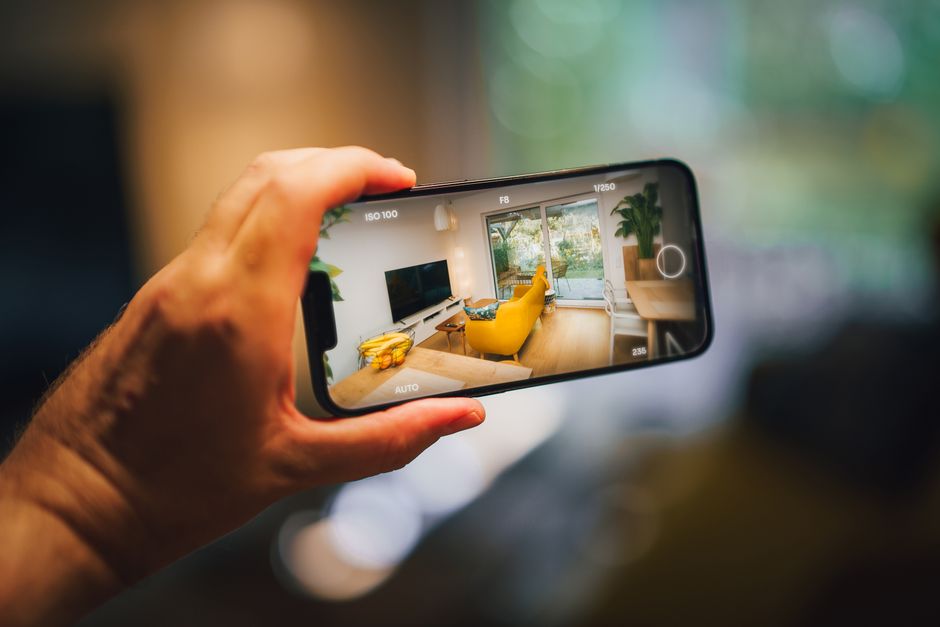
Virtual tour photography involves the creation of a three-dimensional representation of a physical space, allowing viewers to navigate and explore the area as if they were physically present. This technique typically utilizes specialized cameras and software to stitch together multiple images into a seamless panoramic view. The result is a captivating experience that can enhance user engagement and provide valuable insights into a space.
The importance of high-quality virtual tour photography cannot be overstated. Studies have shown that listings featuring virtual tours receive 87% more views than those without. This statistic highlights the growing preference for interactive content over traditional static images. As consumers continue to seek more immersive experiences, businesses that adopt this technology are likely to stand out in a competitive market.
Applications in Various Industries
Virtual tour photography has found applications across a wide range of industries. In real estate, agents are leveraging this technology to give potential buyers a comprehensive view of properties without the need for physical visits. This not only saves time but also allows for a more extensive reach, particularly in a global market.
In the hospitality sector, hotels and resorts are utilizing virtual tours to showcase their amenities and accommodations. By providing a realistic preview of rooms and facilities, establishments can entice guests to make reservations. Furthermore, virtual tours can also enhance marketing efforts, as they can be easily shared on social media platforms, reaching a broader audience.
Tourism is another sector benefiting from virtual tour photography. Attractions and landmarks can now offer virtual experiences that entice visitors to plan their trips. For instance, museums can create online tours that allow users to explore exhibits from the comfort of their homes, making art and culture more accessible.
The Technology Behind Virtual Tours
The creation of virtual tours relies on various technologies, including 360-degree cameras and advanced software for editing and hosting tours. 360-degree cameras capture images in all directions, providing an immersive view that traditional photography cannot match. Popular models, such as the Ricoh Theta Z1 or the Insta360 One X2, are commonly used for this purpose.
Once the images are captured, specialized software is employed to stitch them together and create the virtual tour. Platforms like Matterport and Kuula offer user-friendly interfaces that allow photographers to create stunning virtual experiences with ease. These tools also often include features such as hotspots, which can link to additional information or images, further enhancing the viewer’s experience.
Sustainability is also becoming a significant factor in the technology used for virtual tour photography. With increasing awareness of environmental issues, many companies are exploring eco-friendly options for camera production and software development, ensuring that the industry moves towards a more sustainable future.
Marketing and SEO Benefits
Incorporating virtual tour photography into marketing strategies can yield substantial benefits, particularly in terms of search engine optimization (SEO). Search engines like Google favor websites that offer rich media content, which includes virtual tours. By embedding these tours in their listings, businesses can improve their visibility and ranking on search engines.
Moreover, the interactive nature of virtual tours encourages longer site visits, which can also positively impact SEO rankings. As users spend more time exploring a virtual tour, search engines interpret this as a sign of valuable content, leading to improved search results.
To maximize the benefits of virtual tour photography, businesses should also consider integrating it with their social media strategies. Sharing virtual tours on platforms like Instagram or Facebook can drive traffic to websites and attract potential clients. Utilizing effective hashtags and engaging captions can further enhance reach and engagement.
Conclusion
As technology continues to evolve, virtual tour photography is poised to play an even more significant role in how we experience and interact with spaces. The benefits of this innovative approach are clear, from enhancing marketing efforts to improving user engagement. Businesses that embrace virtual tour photography will not only stand out in their respective industries but also meet the growing demand for immersive experiences. With the potential to revolutionize various sectors, the future of virtual tour photography looks bright, paving the way for a more interactive and engaging world.
For more information on how to get started with virtual tour photography, consider exploring the latest technologies and services available in the market.
