
In recent years, the fashion industry has witnessed a significant shift towards sustainability. As consumers become more aware of environmental issues, the demand for ethical and eco-friendly clothing has surged. This article delves into the factors driving the rise of sustainable fashion brands, their impact on the industry, and what consumers can do to support this movement.
The Shift Towards Sustainability
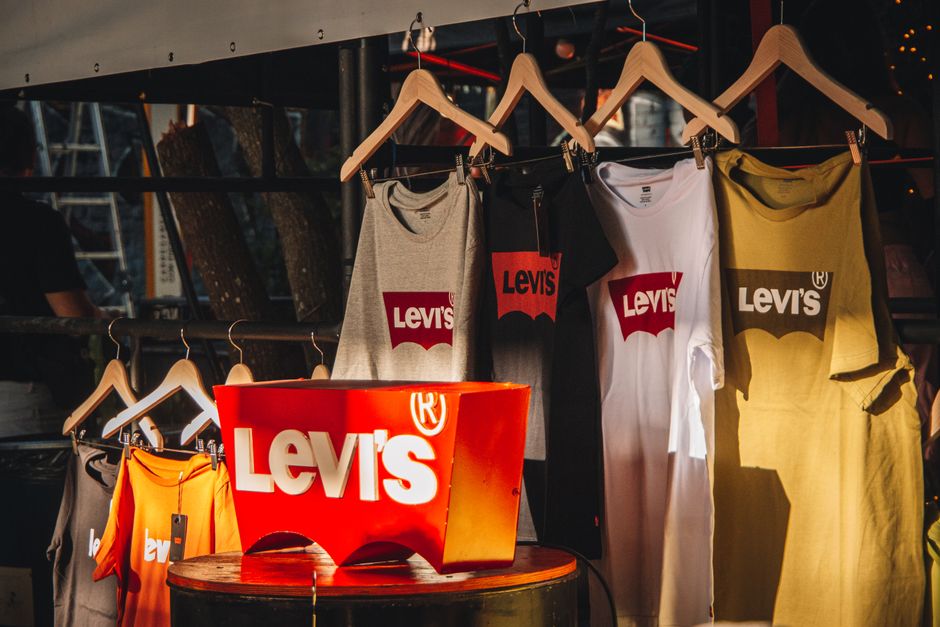
The global fashion industry is one of the largest polluters in the world, responsible for around 10% of global carbon emissions. This alarming statistic has prompted a growing number of brands to adopt sustainable practices. The shift towards sustainability is not just a trend; it is becoming a necessity as consumers increasingly prioritize ethical production methods and sustainable materials.
Companies are now exploring innovative ways to reduce their environmental footprint. For instance, many brands are transitioning to organic cotton, recycled polyester, and other sustainable materials. Additionally, some are adopting circular economy principles, which focus on prolonging the lifecycle of garments through recycling and upcycling.
Consumer Awareness and Demand
Consumer awareness plays a crucial role in the rise of sustainable fashion brands. A 2020 survey by McKinsey found that 67% of consumers consider the use of sustainable materials to be an important factor when making a purchase. This growing demand for transparency and accountability has led brands to prioritize ethical practices.
Social media has also been instrumental in raising awareness about sustainable fashion. Influencers and activists share their insights and promote brands that prioritize sustainability, effectively reaching a wider audience. This has resulted in a shift in consumer behavior, with more individuals willing to invest in quality, sustainable products rather than fast fashion.
Challenges Faced by Sustainable Fashion Brands
Despite the positive momentum, sustainable fashion brands face several challenges. One significant hurdle is the higher cost of sustainable materials and ethical production processes. Many consumers still opt for cheaper, fast fashion alternatives, which can make it difficult for sustainable brands to compete on price.
Moreover, there is often a lack of standardization in defining what constitutes ‘sustainable’ fashion. This ambiguity can lead to greenwashing, where brands falsely claim to be eco-friendly to attract consumers. To address this, industry standards and certifications are essential to help consumers make informed choices.
Examples of Successful Sustainable Brands
Several brands have successfully carved a niche in the sustainable fashion market. For example, sustainable fashion brand Toad&Co focuses on creating clothing that is not only stylish but also made from sustainable materials. Their commitment to environmental stewardship and social responsibility has garnered a loyal customer base.
Another noteworthy example is Patagonia, which has long been a pioneer in sustainable practices. The brand’s commitment to environmental activism and use of recycled materials has positioned it as a leader in the industry, inspiring other brands to follow suit.
The Future of Sustainable Fashion
The future of sustainable fashion looks promising as more brands embrace eco-friendly practices. Innovations in technology, such as fabric recycling and biodegradable materials, are paving the way for a more sustainable industry. Additionally, as consumers continue to demand transparency, brands will be held accountable for their practices.
Ultimately, the rise of sustainable fashion brands represents a broader cultural shift towards conscious consumerism. By supporting these brands, consumers can contribute to a more sustainable future and encourage the fashion industry to prioritize ethical practices.
Conclusion
The rise of sustainable fashion brands is a testament to the growing awareness of environmental issues among consumers. As more individuals prioritize sustainability in their purchasing decisions, the fashion industry is forced to adapt. While challenges remain, the future of sustainable fashion is bright, driven by innovation, consumer demand, and a commitment to ethical practices.
