
In an era where technology shapes every aspect of our lives, the restaurant industry is no exception. The evolution of Point of Sale (POS) systems has significantly transformed how restaurants operate, manage transactions, and enhance customer experiences. A modern restaurant POS system is not merely a tool for processing payments; it is a comprehensive solution that integrates various functions to streamline operations.
Understanding the Basics of Restaurant POS Systems
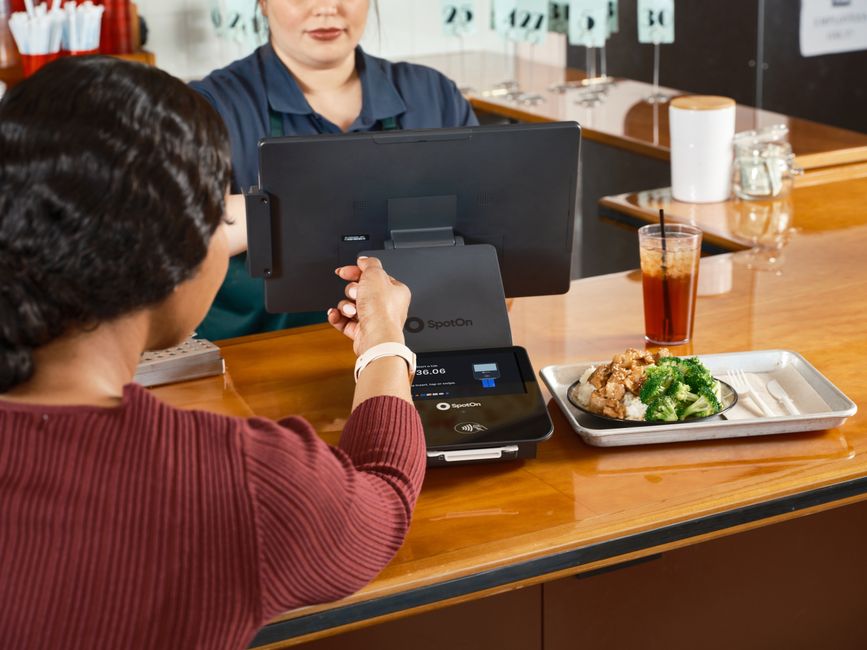
At its core, a restaurant POS system is a combination of hardware and software that allows restaurants to manage sales, track inventory, and analyze performance. The system typically includes a touchscreen terminal, a cash drawer, a receipt printer, and software that manages transactions. This technology has evolved from simple cash registers to sophisticated systems that provide a wealth of data to restaurant owners.
One of the defining features of modern POS systems is their ability to integrate with other technologies. For instance, many POS systems can connect with online ordering platforms, reservation systems, and even accounting software. This integration allows restaurant owners to have a centralized view of their operations, making it easier to make informed decisions.
According to a report by IBISWorld, the restaurant POS system market is expected to grow at an annual rate of 10.2% from 2021 to 2026. This growth is driven by the increasing demand for efficiency and data-driven decision-making in the hospitality sector.
The Benefits of Implementing a Restaurant POS System
One of the most significant advantages of a restaurant POS system is the improvement in operational efficiency. With features like table management, menu customization, and real-time inventory tracking, restaurants can reduce wait times and improve service quality. For example, staff can quickly input orders, which are sent directly to the kitchen, minimizing errors and ensuring faster service.
Moreover, a POS system allows for better inventory management. By tracking inventory in real-time, restaurant owners can identify which items are selling well and which are not. This data can help in making informed purchasing decisions, reducing waste, and ultimately increasing profitability.
Another crucial benefit is enhanced customer experience. Modern POS systems often come with loyalty program features, enabling restaurants to reward frequent customers. This capability not only increases customer satisfaction but also encourages repeat business, which is vital in a competitive market.
Choosing the Right POS System for Your Restaurant
When selecting a restaurant POS system, it is essential to consider the specific needs of your establishment. Factors such as the size of the restaurant, the type of cuisine, and the expected volume of sales play a critical role in this decision. For instance, a fine dining restaurant may require a more sophisticated system with advanced features compared to a fast-casual eatery.
Additionally, it’s important to evaluate the ease of use of the POS system. Staff training can be a significant investment, so choosing a system with an intuitive interface can save time and resources. Furthermore, consider the level of customer support provided by the vendor; reliable support can make a substantial difference during critical operational hours.
Future Trends in Restaurant POS Systems
The future of restaurant POS systems looks promising, with advancements in technology paving the way for innovative solutions. One notable trend is the integration of artificial intelligence (AI) and machine learning. These technologies can analyze customer data to predict trends, allowing restaurants to tailor their offerings more effectively.
Additionally, mobile POS systems are gaining popularity, enabling staff to take orders and process payments tableside. This convenience enhances the dining experience and increases table turnover rates, ultimately boosting revenue.
Furthermore, the rise of contactless payments has accelerated the adoption of advanced POS systems. As consumers increasingly prefer to pay digitally, restaurants must adapt to these preferences to remain competitive.
Conclusion: Embracing the Change
In conclusion, the implementation of a restaurant POS system is no longer a luxury but a necessity for modern dining establishments. The right system not only streamlines operations but also enhances customer satisfaction and drives profitability. As the industry continues to evolve, staying updated with the latest technologies and trends will be crucial for restaurant owners aiming to thrive in a competitive landscape. Investing in a robust restaurant POS system can significantly impact a restaurant’s success, making it an essential consideration for any business in the hospitality sector.
