
In recent years, 3D printing technology has emerged as a transformative force across various industries. From manufacturing to healthcare, this innovative process offers unprecedented opportunities for customization, efficiency, and cost savings. As businesses and individuals alike seek to leverage the advantages of this technology, understanding the scope and capabilities of 3D printing services becomes essential.
Understanding 3D Printing Technology
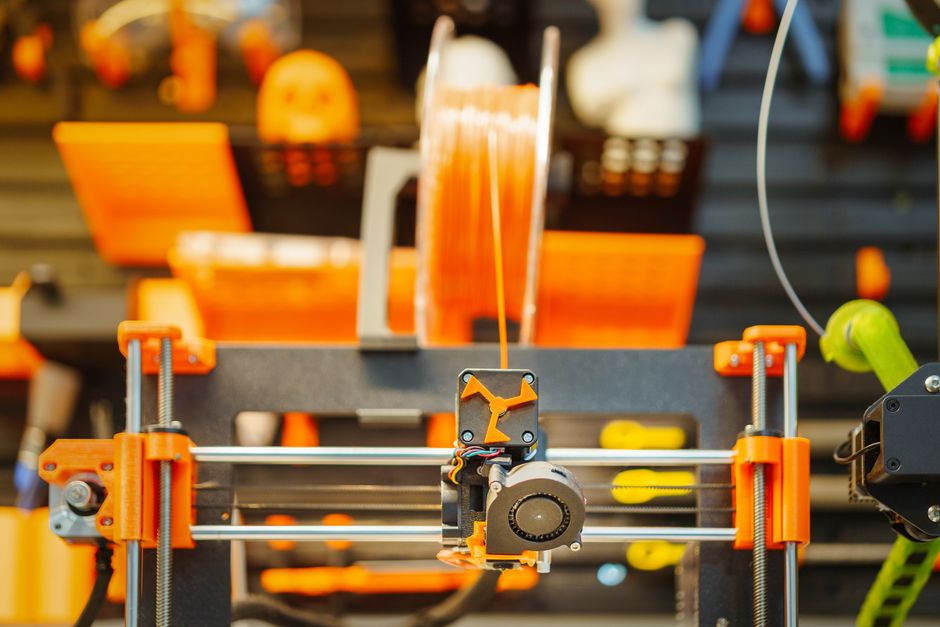
3D printing, also known as additive manufacturing, involves creating three-dimensional objects layer by layer from a digital file. This technology enables the production of complex shapes that would be difficult or impossible to achieve with traditional manufacturing methods. The process starts with a computer-aided design (CAD) model, which is then sliced into hundreds or thousands of thin layers. These layers are printed sequentially, gradually building the final product.
There are several types of 3D printing technologies, including Fused Deposition Modeling (FDM), Stereolithography (SLA), and Selective Laser Sintering (SLS). Each method has its advantages and is suited for different applications. For instance, FDM is widely used for prototyping due to its speed and low cost, while SLA provides high-resolution prints, making it ideal for intricate designs.
As the technology continues to evolve, new materials for 3D printing are being developed, including metals, ceramics, and bio-materials. This expansion of materials broadens the scope of applications for 3D printing services, allowing for more innovative solutions in various fields.
Applications of 3D Printing Services
The applications of 3D printing services are vast and varied, impacting industries such as healthcare, automotive, aerospace, and consumer goods. In healthcare, for example, 3D printing is revolutionizing the production of prosthetics and implants. Customized implants, tailored to the unique anatomy of individual patients, can enhance surgical outcomes and improve recovery times.
In the automotive industry, manufacturers use 3D printing for rapid prototyping and even for producing end-use parts. According to a recent survey, approximately 75% of automotive companies are exploring 3D printing for production purposes. This shift not only reduces lead times but also allows for greater customization, which is increasingly important in today’s market.
Aerospace is another sector where 3D printing has made significant inroads. The ability to create lightweight, durable components can significantly improve fuel efficiency and reduce production costs. Companies like Boeing and Airbus are already incorporating 3D-printed parts into their aircraft designs, demonstrating the technology’s reliability and effectiveness.
The Economic Impact of 3D Printing Services
From an economic perspective, the adoption of 3D printing services can lead to substantial cost savings. Traditional manufacturing processes often involve significant overhead costs, including tooling and labor. In contrast, 3D printing eliminates many of these costs by allowing for on-demand production and reducing waste through its additive nature.
According to a report by the Wohlers Associates, the 3D printing industry is expected to grow to $35.6 billion by 2024. This growth is driven not only by advancements in technology but also by increasing awareness and acceptance of 3D printing among businesses. As more companies recognize the benefits of this technology, the demand for 3D printing services will likely continue to rise.
Moreover, 3D printing can contribute to sustainability efforts. By minimizing material waste and enabling localized production, this technology aligns with the principles of a circular economy, which aims to reduce environmental impact.
Challenges and Considerations
Despite its many benefits, the implementation of 3D printing services is not without challenges. One major concern is the quality and consistency of printed products. As the technology is still relatively new, ensuring that printed items meet industry standards can be difficult. Additionally, there are regulatory hurdles to overcome, particularly in industries such as healthcare and aviation, where safety and compliance are paramount.
Intellectual property issues also pose a challenge, as the ease of replicating designs through 3D printing can lead to potential copyright infringements. Companies must navigate these legal complexities to protect their innovations while also fostering a culture of collaboration and open innovation.
Lastly, workforce development is critical. As the demand for skilled workers in 3D printing increases, educational institutions must adapt their curricula to prepare students for careers in this evolving field. Training programs focused on 3D printing technologies will be essential to build a competent workforce capable of meeting industry needs.
Conclusion
3D printing services are undeniably reshaping the landscape of manufacturing and production. With its ability to create customized, efficient, and cost-effective solutions, this technology is paving the way for innovation across various sectors. As businesses continue to explore the potential of 3D printing, it is crucial to understand the challenges and considerations that accompany its adoption. By addressing these challenges and investing in workforce development, the future of 3D printing will undoubtedly be bright, marking a new era of production capabilities.
