
Perfume has long been more than just a scent; it is an art form, a personal signature, and a powerful tool for self-expression. From ancient civilizations to modern-day luxury brands, the evolution of perfume has captivated the senses of individuals across cultures and eras. In this article, we delve into the fascinating world of perfume, exploring its history, components, and the reasons behind its enduring appeal.
The History of Perfume
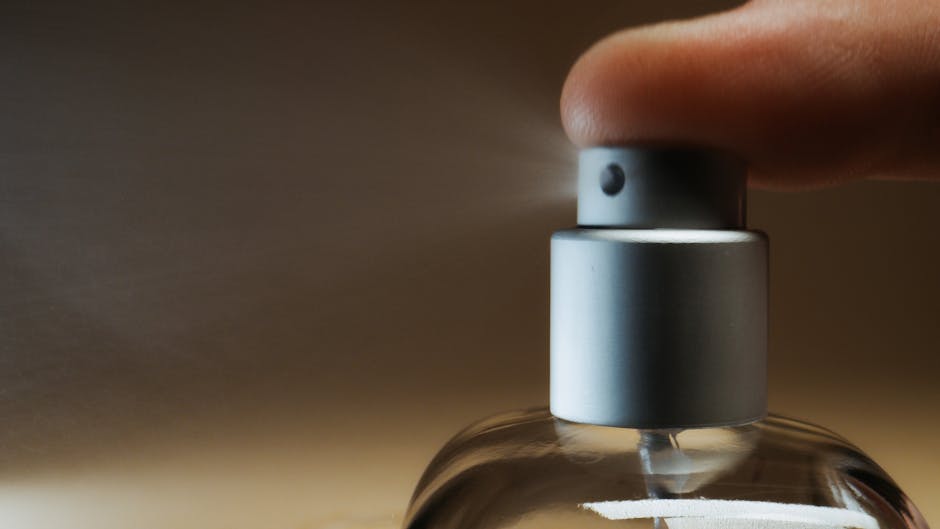
The journey of perfume dates back thousands of years. The earliest records of fragrance use can be traced to ancient Egypt, where aromatic oils were used in religious ceremonies and for personal adornment. Egyptians believed that scents could attract the gods and enhance their spiritual experiences. This cultural significance laid the groundwork for the perfume industry we know today.
As civilizations progressed, so did the art of fragrance. The Greeks and Romans embraced the use of perfumes, often adding them to baths and using them in daily life. With the rise of trade routes, exotic ingredients such as spices, flowers, and resins became more accessible, leading to a rich variety of scents. Fast forward to the Renaissance, and perfume became synonymous with nobility, with European courts indulging in luxurious fragrances.
The Anatomy of a Fragrance
Understanding perfume requires a knowledge of its basic components: top notes, middle notes, and base notes. Top notes are the initial scents perceived when a fragrance is applied, often light and refreshing, such as citrus or herbal scents. These notes typically evaporate quickly, leading to the heart of the fragrance.
The middle notes, or heart notes, emerge after the top notes fade. They form the core of the fragrance and often include floral or fruity scents. Finally, the base notes provide depth and longevity to the perfume, usually consisting of richer scents like vanilla, musk, or wood. This layered approach to scent creation is what makes perfume a complex and captivating experience.
In the realm of luxury fragrances, brands like Maison Francis Kurkdjian (MFK) exemplify this intricate artistry, offering scents that tell a story and evoke emotion through carefully selected ingredients.
The Psychological Impact of Scent
Fragrance has a profound psychological effect on individuals. Research has shown that certain scents can evoke memories and influence mood. For example, the scent of lavender is often associated with calmness and relaxation, making it a popular choice for stress relief.
Moreover, wearing a particular perfume can boost confidence and enhance personal identity. Many people choose fragrances that reflect their personality or mood, using scent as a form of non-verbal communication. This connection between scent and psychology is a key reason why perfume remains an essential part of our daily rituals.
The Perfume Industry Today
Today, the perfume industry is a multi-billion dollar market, with a wide range of choices available to consumers. From designer labels to niche brands, the options can be overwhelming. The rise of e-commerce has also transformed how consumers discover and purchase fragrances, enabling them to explore a vast array of scents from the comfort of their homes.
Moreover, sustainability is becoming increasingly important in the fragrance industry. Many brands are now focusing on eco-friendly practices, sourcing ingredients responsibly, and minimizing their environmental impact. This shift reflects a growing consumer demand for transparency and ethical practices in product sourcing.
Conclusion
In conclusion, the world of perfume is a rich tapestry woven from history, art, psychology, and modern innovation. As we continue to explore and appreciate the complex nature of scents, it becomes clear that perfumes are not merely products but rather an intimate expression of who we are. Whether it’s a signature scent or a seasonal favorite, each fragrance has the power to transport us and evoke emotions, making perfume an enduring aspect of human culture.
