
In today’s visually-driven world, the role of a commercial photographer has never been more critical. From advertising campaigns to product launches, the need for high-quality imagery is paramount. This article explores the nuances of commercial photography, its significance in the business landscape, and tips for aspiring photographers to thrive in this competitive field.
Understanding Commercial Photography
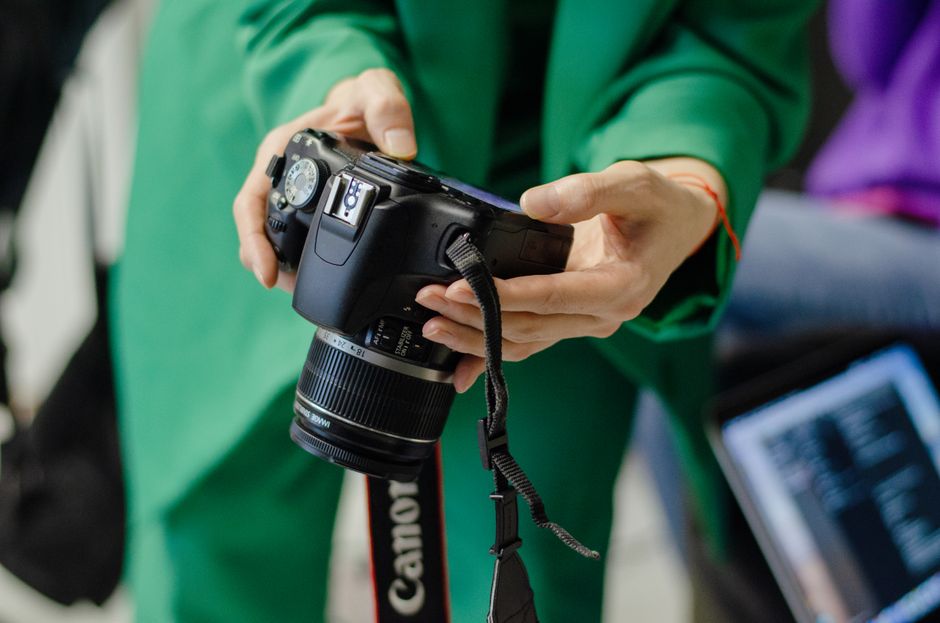
Commercial photography is a specialized field that focuses on creating images for commercial use. This includes product photography, corporate portraits, fashion shoots, and advertising campaigns. Unlike other photography forms, the primary goal here is to sell or promote a product or service. This requires not only technical skills but also a solid understanding of marketing and branding principles.
Successful commercial photographers must be adept at working with clients to understand their vision and objectives. This often involves pre-shoot consultations and mood boards to align expectations. Ultimately, the images produced should resonate with the target audience and effectively communicate the brand’s message.
The Importance of Quality Imagery
In an era where consumers are bombarded with visuals, the quality of imagery can make or break a brand. According to a study by Adobe, 67% of consumers consider clear, detailed images to be more important than product information. This statistic underscores the necessity for businesses to invest in high-quality photography.
Moreover, visual content has been shown to increase engagement rates significantly. Posts with images receive 94% more views on social media than those without. Brands looking to enhance their online presence must prioritize professional photography to capture attention and drive conversions.
Essential Skills for Commercial Photographers
To succeed as a commercial photographer, one must possess a diverse skill set. Beyond technical prowess with a camera, understanding lighting, composition, and post-processing is crucial. Proficiency in software such as Adobe Photoshop and Lightroom is also essential for editing and finalizing images.
Additionally, strong communication skills are vital for interacting with clients and understanding their needs. Photographers must also be adaptable, as each project may present unique challenges that require creative solutions. A good commercial photographer can think on their feet and deliver exceptional results under pressure.
Building a Portfolio and Client Base
A robust portfolio is essential for any commercial photographer. This collection of work showcases a photographer’s style and versatility. It’s advisable to include a diverse range of projects that highlight different aspects of commercial photography, from product shots to lifestyle images.
Networking is another critical aspect of building a client base. Attending industry events, joining professional organizations, and leveraging social media can help photographers connect with potential clients and collaborators. Additionally, maintaining a professional website that showcases your portfolio and includes client testimonials can greatly enhance credibility.
The Future of Commercial Photography
As technology continues to evolve, so does the landscape of commercial photography. The rise of e-commerce and digital marketing has created new opportunities for photographers. With the growing demand for video content, many photographers are also expanding their skill set to include videography, thus offering comprehensive services to clients.
Furthermore, the integration of artificial intelligence in photography tools is streamlining workflows and altering creative processes. Photographers who embrace these changes and adapt their practices will likely find success in the future market.
Conclusion
Commercial photography is a dynamic and rewarding field that plays a vital role in the marketing strategies of businesses today. By understanding the intricacies of this discipline and honing essential skills, aspiring photographers can carve out a successful career. Whether through high-quality product images or engaging corporate portraits, the impact of a commercial photographer is undeniable, making this profession both an art and a business in its own right.
