
Perfume, an ethereal concoction that transcends time and culture, has been an integral part of human civilization for centuries. From ancient Egypt, where fragrances were used in religious rituals, to modern-day luxury brands, the evolution of perfume is a fascinating journey through history, chemistry, and artistry. This article delves into the intricate world of perfume, exploring its components, the crafting process, and its profound impact on our emotions and memories.
The History of Perfume
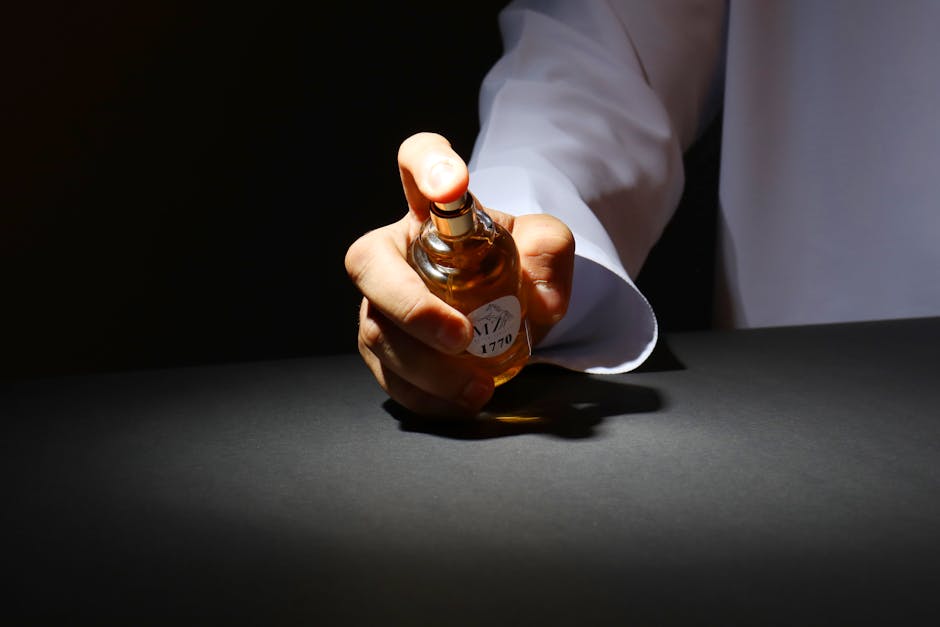
Perfume has a rich history dating back to ancient civilizations. The earliest records of perfumery come from Mesopotamia and Egypt, where scents were believed to please the gods. Perfumes were made from natural ingredients such as flowers, herbs, and spices, meticulously blended to create unique fragrances. Over the centuries, the art of perfume-making spread to other cultures, including the Greeks and Romans, who refined the techniques and expanded the use of fragrances in daily life.
By the Middle Ages, the demand for perfumes soared in Europe, especially among the aristocracy. The development of distillation techniques allowed perfumers to extract essential oils more efficiently, leading to a greater variety of scents. In the 17th century, the first modern perfumes were created in France, establishing the country as the epicenter of the perfume industry.
The Anatomy of Perfume
At its core, perfume is composed of three main elements: top notes, middle notes, and base notes. These notes work together to create a harmonious scent profile. Top notes are the initial scents that are perceived immediately upon application, often citrusy or fruity. They are light and evaporate quickly, making way for the middle notes, which form the heart of the fragrance. Middle notes typically consist of floral or spicy elements and last longer than top notes.
Base notes are the foundation of the perfume and provide depth and longevity. They are often rich and heavy, consisting of ingredients like vanilla, musk, or amber. The interplay between these three layers creates a dynamic olfactory experience, with the fragrance evolving over time as it dries down on the skin.
Crafting Perfume: A Blend of Art and Science
The creation of perfume is both an art and a science, requiring a deep understanding of chemistry and a keen artistic sense. Perfumers, often referred to as ‘noses,’ undergo extensive training to master the craft of scent composition. They experiment with various raw materials, balancing the proportions of each ingredient to achieve the desired effect.
Modern perfumers utilize advanced technology to analyze and replicate scents, but the essence of perfumery remains rooted in tradition. Each perfume tells a story, capturing emotions and memories through carefully curated notes. Brands like Maison Francis Kurkdjian (MFK) exemplify this artistry, crafting fragrances that evoke a sense of place and time.
The Emotional Power of Fragrance
Fragrance has a profound impact on our emotions and memories. Studies have shown that scents can trigger powerful emotional responses and evoke vivid recollections. This phenomenon is linked to the brain’s limbic system, which processes emotions and memories. For instance, a whiff of lavender may transport someone back to a serene summer evening, while the scent of fresh pine could remind them of winter holidays.
Many people use fragrance as a tool for self-expression, selecting scents that resonate with their personality or mood. The choice of perfume can influence how we feel and how others perceive us, making it a significant aspect of personal identity. Thus, the right fragrance can enhance confidence, evoke nostalgia, or create a sense of comfort.
Choosing the Right Perfume
With a plethora of options available, selecting the right perfume can be a daunting task. It’s essential to consider factors such as skin chemistry, personal preferences, and the occasion. Testing perfumes on the skin rather than a paper strip is advisable, as the fragrance can change when it interacts with body heat and natural oils.
Additionally, understanding the different fragrance families—citrus, floral, woody, oriental—can help narrow down choices. Exploring niche brands, like Maison Francis Kurkdjian, can also lead to discovering unique and captivating scents that stand out in a crowded market.
Conclusion
Perfume is more than just a pleasant scent; it is a complex interplay of history, chemistry, and emotion. From its ancient origins to modern creations, the world of fragrance continues to captivate and inspire. As we navigate through life, the scents we choose can shape our experiences and memories, making perfume an intimate and personal aspect of our identity. Whether you are a fragrance novice or a devoted enthusiast, understanding the art of perfume can enhance your appreciation for this timeless craft.
