
Pizza has become a beloved dish all around the world, with numerous variations and styles. However, nothing compares to the experience of creating a handmade pizza, where every ingredient is chosen with care and every step is crafted with passion. This article dives into the delightful world of handmade pizza, exploring its history, the essential ingredients, techniques for crafting the perfect dough, and tips for baking to perfection.
A Brief History of Pizza
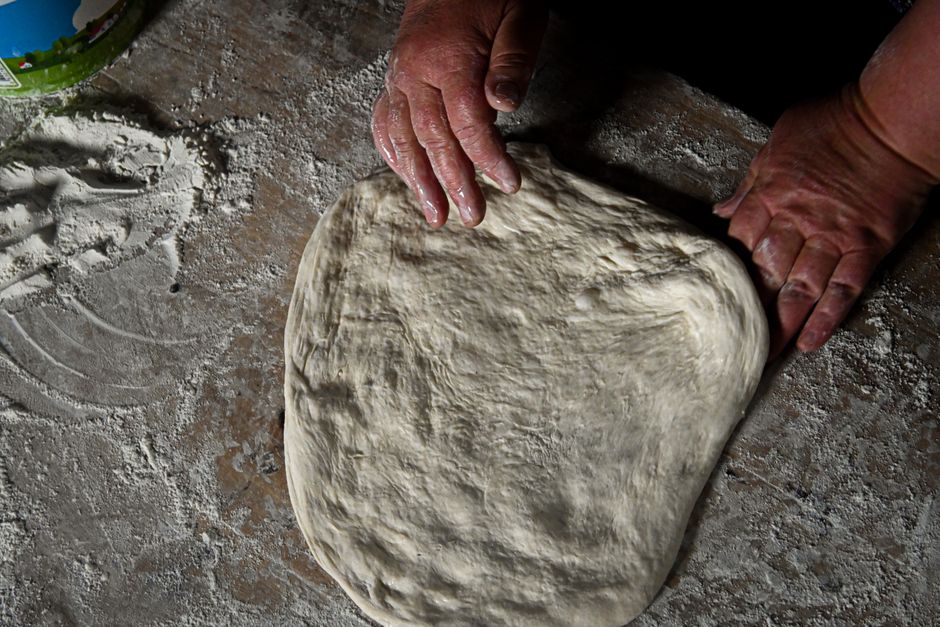
The origins of pizza can be traced back to ancient civilizations, but it was in Naples, Italy, that the modern pizza we know today was born. In the late 18th century, street vendors began selling flatbreads topped with fresh tomatoes, mozzarella cheese, and basil, which eventually became known as the Margherita pizza. As Italian immigrants made their way to the United States in the late 19th and early 20th centuries, they brought this culinary tradition with them, and pizza quickly gained popularity in cities like New York and Chicago.
Today, pizza has evolved into a global phenomenon, with countless styles and toppings available. However, the essence of a handmade pizza remains the same: high-quality ingredients and the love of cooking. Making handmade pizza at home allows you to explore creativity and customize flavors, making every pizza unique to your taste.
Essential Ingredients for Handmade Pizza
Creating a delicious handmade pizza starts with selecting the right ingredients. The foundation of any pizza is the dough, which typically consists of flour, water, yeast, and salt. Opting for high-quality flour, such as bread flour or Tipo 00 flour, can significantly influence the texture and flavor of your crust.
The choice of sauce is equally important. While many people reach for store-bought sauces, making your own can elevate the taste of your pizza. Simple tomato sauce made from fresh tomatoes, garlic, and herbs can provide a vibrant flavor that complements the other ingredients. Additionally, the cheese you use plays a crucial role; fresh mozzarella is often preferred for its creamy texture and mild flavor, but feel free to experiment with other types of cheese.
Finally, the toppings are where you can truly express your culinary creativity. From classic pepperoni and mushrooms to gourmet combinations like prosciutto and arugula, the options are endless. Be sure to balance flavors and textures when selecting your toppings, keeping in mind that less is sometimes more.
Perfecting the Dough: Techniques and Tips
The process of making pizza dough is both an art and a science. Begin by mixing your ingredients until a shaggy dough forms, then knead it on a floured surface for about 10 minutes until it becomes smooth and elastic. This process develops the gluten, which is essential for a chewy crust.
Once your dough is ready, allow it to rise in a warm place until it doubles in size, usually about 1 to 2 hours. For even better flavor, consider letting the dough rise in the fridge overnight. This slow fermentation process enhances the flavor and texture of the crust.
When it comes time to shape your dough, avoid using a rolling pin, as this can deflate the air bubbles that have formed during the rising process. Instead, use your hands to gently stretch the dough into your desired shape, creating a slightly thicker edge for the crust.
Baking Your Handmade Pizza to Perfection
Baking is the final step in creating your handmade pizza, and it can make all the difference in the final product. Preheat your oven to its highest setting, ideally around 500°F (260°C). If you have a pizza stone, place it in the oven while preheating; this will help achieve a crispy crust.
Once the oven is ready, assemble your pizza on a floured pizza peel or baking sheet. Start by spreading your sauce evenly over the dough, followed by cheese and toppings. Use a light hand; too many toppings can weigh the pizza down and lead to a soggy crust.
Carefully transfer the pizza to the preheated stone or baking sheet and bake for 8-12 minutes, or until the crust is golden brown and the cheese is bubbly. Keep an eye on it, as baking times can vary based on the thickness of your crust and the amount of toppings used.
Exploring Unique Toppings and Flavor Combinations
One of the joys of making handmade pizza is the opportunity to experiment with toppings. While traditional toppings like pepperoni, mushrooms, and bell peppers are always popular, consider exploring unique combinations to surprise your guests.
For instance, try a white pizza topped with ricotta cheese, spinach, and garlic for a creamy and flavorful option. Alternatively, a BBQ chicken pizza with shredded chicken, barbecue sauce, red onions, and cilantro can bring a delightful twist to your pizza night.
Don’t be afraid to think outside the box! Ingredients like figs, goat cheese, and arugula can create a gourmet experience right in your kitchen. The key is to balance flavors and use fresh, high-quality ingredients that complement each other.
Conclusion: The Joy of Handmade Pizza
Making handmade pizza is more than just a meal; it’s an experience that brings people together. Whether you are hosting a pizza party with friends or enjoying a quiet night in with family, the process of making pizza from scratch allows you to connect with the food and the people you share it with. As you become more comfortable in your pizza-making journey, consider exploring new techniques and styles to further enhance your culinary skills.
In a world of fast food and pre-packaged meals, handmade pizza stands out as a labor of love that celebrates quality ingredients and creativity. So roll up your sleeves, gather your loved ones, and dive into the delicious world of handmade pizza. And if you’re looking for some inspiration, check out LUXURY 777 for unique ideas and recipes that can elevate your pizza-making game.
