
In the world of gemstones, the quality and source of the stones can significantly impact both their value and the overall success of a jewelry business. Whether you’re a seasoned jeweler or just starting out, choosing the right gemstone supplier is crucial. This guide will explore various aspects of finding a reliable supplier, the types of gemstones available, and how to build a lasting relationship with your supplier.
Understanding the Types of Gemstones
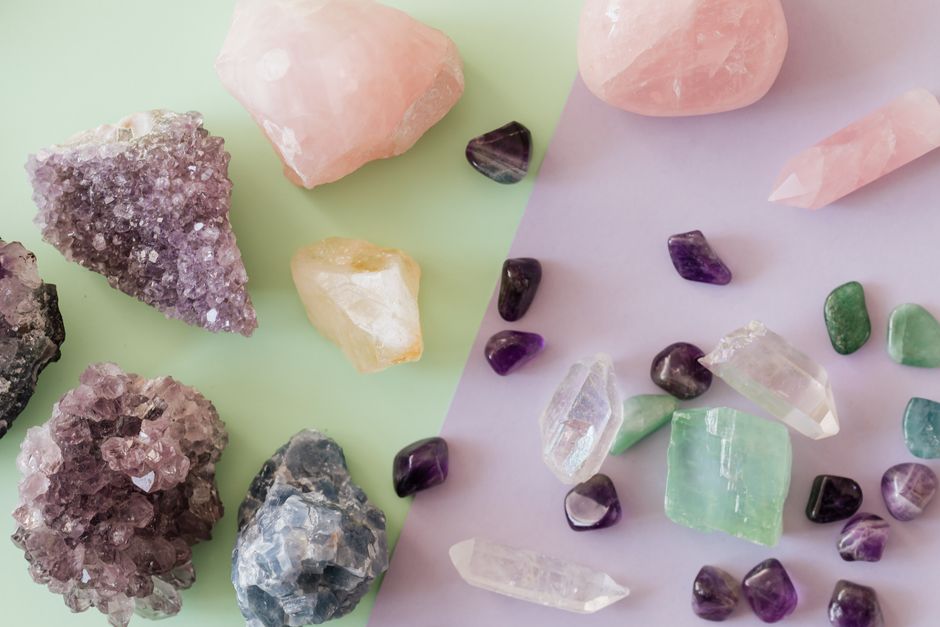
Before diving into the supplier selection process, it’s important to understand the different types of gemstones available in the market. Gemstones can be classified into two main categories: precious and semi-precious stones. Precious stones, such as diamonds, rubies, sapphires, and emeralds, are highly sought after due to their rarity and beauty. Semi-precious stones, like amethyst, garnet, and turquoise, are generally more abundant and can be used to create stunning pieces at a lower cost.
Each type of gemstone has its unique characteristics, which can affect its desirability and price. For instance, diamonds are graded based on the 4 Cs: cut, color, clarity, and carat weight. Understanding these factors will help you communicate better with your gemstone supplier and choose the right stones for your needs.
Researching Potential Suppliers
Once you have a clear understanding of the types of gemstones you want to work with, it’s time to start researching potential suppliers. Look for suppliers who specialize in the specific types of gemstones you are interested in. Online directories, industry trade shows, and gem fairs can be excellent resources for finding reputable suppliers.
When evaluating potential suppliers, consider their reputation within the industry. You can check online reviews, ask for references, and connect with other jewelers to gather insights. A reliable supplier should be transparent about their sourcing practices and provide certification for the gemstones they sell.
Evaluating Quality and Pricing
Quality is a critical factor when selecting a gemstone supplier. You want to ensure that the gemstones you purchase are of high quality and meet your standards. Request samples or visit the supplier’s location if possible to examine the stones firsthand. Pay attention to factors like color saturation, clarity, and cut quality.
Pricing is another important consideration. While it’s essential to find a supplier that offers competitive prices, be wary of deals that seem too good to be true. Low prices can often indicate inferior quality or unethical sourcing practices. Finding a balance between quality and cost is key to building a successful partnership with your gemstone supplier.
Building a Strong Relationship
Once you have selected a gemstone supplier, it’s essential to cultivate a strong working relationship. Open communication is vital; regularly discuss your needs, expectations, and any concerns you may have. A good supplier will appreciate your feedback and work with you to ensure you get the best products possible.
Consider establishing a long-term partnership with your supplier. This can lead to better pricing, exclusive access to new gemstones, and improved service. Additionally, building a strong rapport can help you navigate any potential issues that may arise in the future.
Staying Informed About Trends
The gemstone market is constantly evolving, with new trends and styles emerging regularly. Staying informed about these changes can help you make better purchasing decisions and keep your inventory fresh. Follow industry publications, attend trade shows, and engage with online communities to stay updated on the latest trends.
As a jewelry business owner, understanding the market dynamics will not only help you choose the right gemstones but also assist you in marketing your products effectively. Knowledge of current trends can also enhance your discussions with your gemstone supplier, ensuring you are both aligned in terms of offerings.
Conclusion
In conclusion, finding a reliable gemstone supplier is a vital step in the success of any jewelry business. By understanding the types of gemstones available, researching potential suppliers, evaluating quality, and building strong relationships, you can secure a trustworthy source for your gemstones. Always stay informed about market trends to ensure that your business remains competitive. With the right approach, your partnership with a gemstone supplier can lead to a flourishing jewelry business.
