
When it comes to construction projects, whether residential or commercial, the role of a demolition contractor is crucial yet often overlooked. As the first step in many construction endeavors, proper demolition ensures that the site is prepared for new development. In this article, we will explore the importance of hiring a qualified demolition contractor, the processes involved, and what to consider when selecting one for your project.
Understanding the Role of a Demolition Contractor
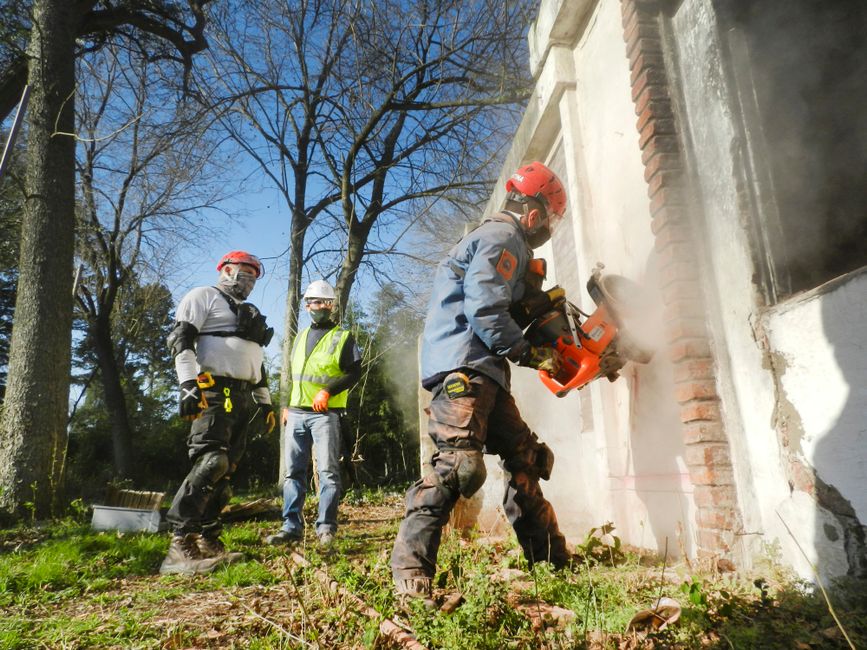
A demolition contractor is responsible for safely dismantling or demolishing structures. This includes not only tearing down buildings but also ensuring that the process adheres to local regulations and safety standards. They are skilled professionals who understand the complexities involved in demolition, including the management of hazardous materials and the preservation of surrounding properties.
Demolition can involve a variety of methods, including mechanical demolition, which uses heavy machinery, and deconstruction, which is a more environmentally friendly approach that involves carefully dismantling a building to salvage materials. A qualified demolition contractor will assess the project and recommend the best approach based on factors like the structure’s size, location, and materials used.
Safety Regulations and Compliance
One of the primary responsibilities of a demolition contractor is to ensure that all demolition work complies with safety regulations. These regulations can vary by location but generally include guidelines for handling hazardous materials, noise control, and the management of debris.
For instance, if a building contains asbestos or lead paint, the contractor must follow strict protocols for its removal and disposal. Failure to comply with these regulations can result in hefty fines and legal issues, making it critical to hire a contractor who is well-versed in local laws.
Cost Factors in Demolition Projects
When planning a demolition project, understanding the cost implications is essential. The price can vary widely based on several factors, including the size and complexity of the structure, the method of demolition chosen, and the disposal of debris.
On average, demolition costs can range from $3 to $7 per square foot. However, additional costs may arise from environmental concerns, such as the need for hazardous material removal. Obtaining detailed estimates from potential contractors can help you budget effectively and avoid unexpected expenses.
Choosing the Right Demolition Contractor
Choosing the right demolition contractor involves more than just comparing prices. It’s essential to evaluate their experience, reputation, and past projects. Look for contractors who have successfully completed similar projects and have positive reviews from previous clients.
Additionally, ask for references and check their credentials. A reputable contractor will be licensed and insured, which protects you from liability in case of accidents during the demolition process. Don’t hesitate to ask questions about their safety practices and environmental policies as well.
Post-Demolition Considerations
After the demolition is completed, the work is not quite done. Proper site cleanup and debris removal are vital to prepare for the next phase of construction. A good demolition contractor will take care of this, ensuring that the site is safe and clear of any hazardous materials.
Moreover, consider discussing with your contractor about the potential for recycling or salvaging materials. Many demolition contractors now offer green solutions that can help reduce waste and promote sustainability in construction.
Conclusion
Hiring a demolition contractor is a significant step in any construction project, and understanding their role and responsibilities can lead to a smoother process. By prioritizing safety, compliance, and choosing the right professional for the job, you can ensure that your demolition project sets a solid foundation for future construction. With the right approach, your project can proceed efficiently and effectively, paving the way for the new developments to come.
