
Metal fabrication shops play a crucial role in various industries, providing essential services that range from custom metalwork to large-scale production. With the increasing demand for precision and quality in manufacturing, understanding the functionality and capabilities of these shops becomes paramount. This article delves into the intricacies of metal fabrication shops, exploring their processes, equipment, and significance in today’s industrial landscape.
Understanding Metal Fabrication
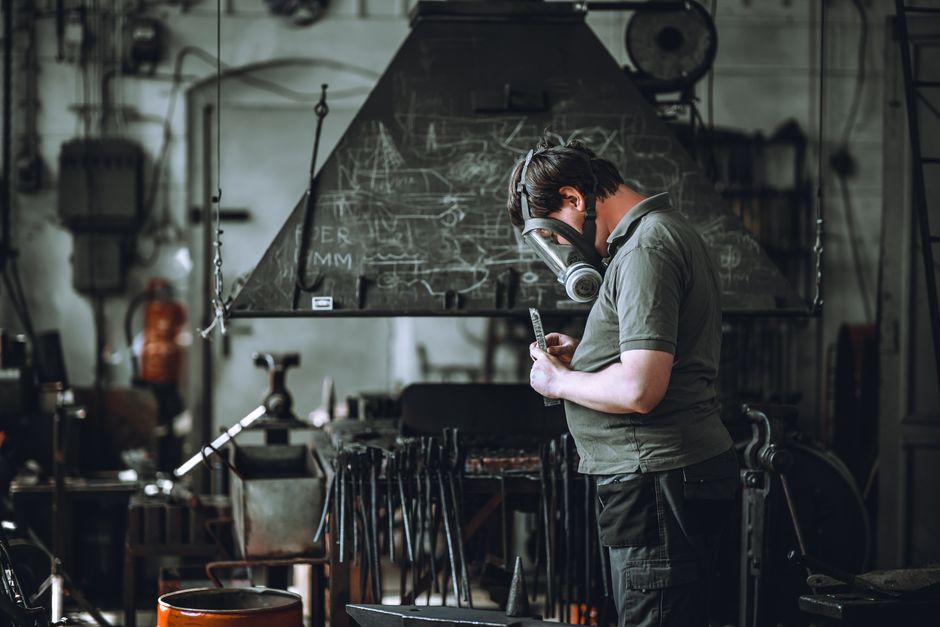
Metal fabrication refers to the process of creating metal structures by cutting, bending, and assembling various metal parts. This process is fundamental in constructing a wide array of products, from simple brackets to complex machinery. Metal fabrication shops utilize a combination of techniques to achieve desired shapes and functionalities. Common methods include welding, machining, and laser cutting, each serving specific purposes in the fabrication process.
For instance, welding is a critical technique used to join metal pieces together, ensuring durability and strength in the final product. On the other hand, machining involves removing material from a workpiece to achieve precise dimensions and surface finishes. Understanding these methods helps businesses choose the right fabrication shop for their specific needs.
Key Equipment in Metal Fabrication Shops
The efficiency and effectiveness of a metal fabrication shop largely depend on the equipment utilized. High-quality machines are essential for achieving precision in fabrication processes. Common equipment found in these shops includes laser cutters, plasma cutters, CNC machines, and press brakes.
Laser cutters, for example, are highly versatile and can cut through various materials with exceptional accuracy. This capability makes them invaluable for creating intricate designs and shapes that would be challenging with traditional cutting methods. Similarly, CNC machines allow for automated cutting and shaping, significantly increasing production efficiency and consistency.
Investing in advanced machinery not only enhances productivity but also reduces waste, making metal fabrication shops more environmentally friendly. Thus, businesses looking to partner with a metal fabrication shop should inquire about the types of equipment they use and their associated capabilities.
The Importance of Custom Fabrication
One of the standout features of metal fabrication shops is their ability to offer custom fabrication services. Custom fabrication is tailored to meet the specific needs of a client, allowing for unique designs that standard products cannot fulfill. This flexibility is particularly beneficial in industries such as construction, automotive, and aerospace, where precision and customization are critical.
For example, a construction company may require specific metal components that fit unique architectural designs. A reliable metal fabrication shop can provide these custom parts, ensuring they meet all specifications and quality standards. This level of customization not only enhances the functionality of products but also enables businesses to differentiate themselves in a competitive market.
Quality Control in Metal Fabrication
Quality control is a vital aspect of metal fabrication, as it directly impacts the performance and durability of the final product. Metal fabrication shops implement various quality control measures to ensure that all fabricated parts meet industry standards and client specifications.
This process often involves rigorous testing, including dimensional inspections, material testing, and visual inspections. By adhering to strict quality control protocols, metal fabrication shops can minimize defects and ensure customer satisfaction. Furthermore, many shops seek certifications, such as ISO 9001, which demonstrates their commitment to maintaining high-quality standards.
For businesses, partnering with a fabrication shop that prioritizes quality control can lead to enhanced product reliability and reduced costs associated with rework and defects.
Future Trends in Metal Fabrication
The metal fabrication industry is evolving rapidly, driven by advancements in technology and changes in market demands. One significant trend is the increasing adoption of automation and robotics in fabrication processes. Automation enhances efficiency, reduces labor costs, and minimizes human error.
Additionally, the integration of software solutions, such as CAD (Computer-Aided Design) and CAM (Computer-Aided Manufacturing), is becoming more prevalent. These tools enable more precise design and manufacturing processes, facilitating quicker turnaround times and improved accuracy.
As sustainability becomes a growing concern, metal fabrication shops are also focusing on eco-friendly practices. This includes optimizing resource usage, recycling scrap metal, and reducing emissions from fabrication processes. Staying ahead of these trends is essential for businesses looking to remain competitive in the metal fabrication market.
Conclusion
In conclusion, metal fabrication shops are integral to modern manufacturing processes, offering a wide range of services that cater to various industries. Understanding the capabilities, equipment, and quality control measures of these shops can significantly benefit businesses seeking reliable fabrication solutions. As technology continues to advance, the importance of these shops will only grow, making it essential for companies to partner with the right fabrication experts to meet their unique needs.
