
In the fast-paced world of construction, efficiency and safety are paramount. As projects become larger and more complex, the need for reliable scaffolding solutions has never been greater. Scaffolding rental has emerged as a preferred option for many contractors, allowing them to access high-quality equipment without the burden of ownership. This article delves into the various aspects of scaffolding rental, providing insights into its benefits, considerations, and best practices.
Understanding Scaffolding Rental
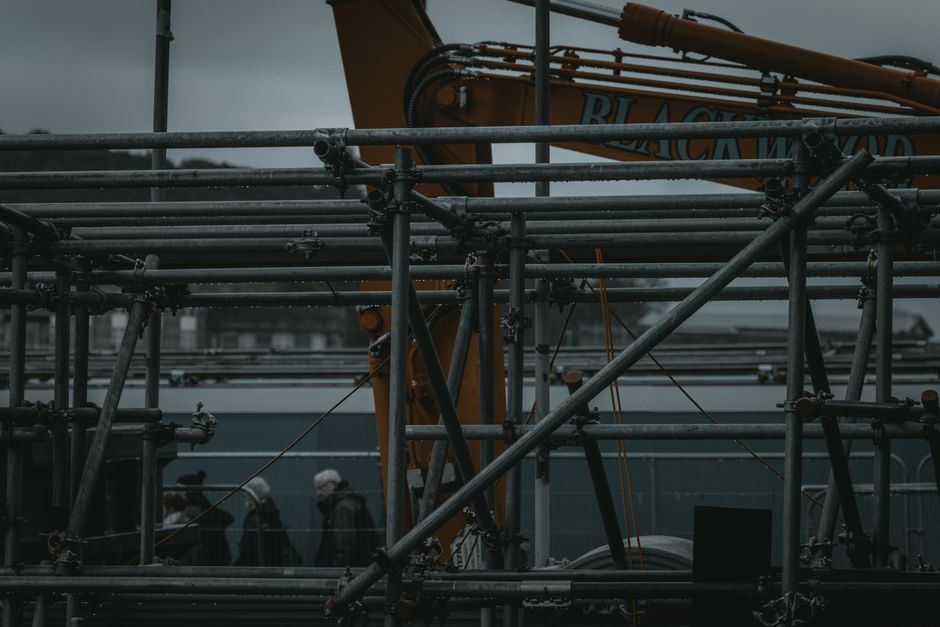
Scaffolding rental refers to the process of leasing scaffolding equipment for a specified period. This approach offers several advantages, particularly for construction companies that may not have the capital to invest in purchasing scaffolding outright. By renting, companies can allocate their resources more effectively and avoid the long-term maintenance costs associated with ownership.
Moreover, scaffolding rental allows for flexibility in project management. Construction timelines can be unpredictable, and having the ability to rent scaffolding as needed enables contractors to adapt quickly to changing project demands. For example, a contractor working on a high-rise building may only need specific types of scaffolding for a limited time, making rental an economical choice.
Types of Scaffolding Available for Rent
When considering scaffolding rental, it is essential to understand the various types of scaffolding available. Common types include frame scaffolding, modular scaffolding, and suspended scaffolding. Each type serves a distinct purpose and is suited for different kinds of projects.
Frame scaffolding, for instance, is ideal for straightforward construction tasks and is often used for residential projects. It is easy to assemble and dismantle, making it a popular choice for contractors. On the other hand, modular scaffolding offers more versatility and is often used for complex industrial projects, allowing for customized configurations.
Suspended scaffolding is particularly useful for high-rise buildings and facades, where workers need to access elevated areas safely. Understanding the specific requirements of your project will help determine which type of scaffolding is best suited for your needs.
The Benefits of Renting Scaffolding
One of the most significant advantages of scaffolding rental is cost-effectiveness. By renting instead of buying, contractors can save on initial capital outlays and reduce overhead costs. This is especially beneficial for smaller construction firms that may struggle to afford large equipment purchases.
Additionally, renting scaffolding can improve safety on the job site. Rental companies typically maintain their equipment to meet safety standards, ensuring that contractors are using reliable and compliant scaffolding. Moreover, reputable scaffolding rental services often provide training and support, further enhancing worker safety.
Another benefit is the access to a wider range of equipment. Rental companies often stock various scaffolding types and accessories, allowing contractors to choose the best solution for their specific project requirements. This access to diverse options can significantly improve project outcomes.
Considerations When Choosing a Scaffolding Rental Company
When selecting a scaffolding rental company, several factors should be considered. First and foremost, it is crucial to evaluate the company’s reputation and experience in the industry. Reading customer reviews and seeking recommendations can provide valuable insights into the quality of service and equipment offered.
Additionally, it is essential to verify the compliance of the rental company with local safety regulations. A reputable company will ensure that their scaffolding equipment meets all necessary safety standards, protecting both workers and the integrity of the construction project.
Finally, consider the availability of support and training services. A company that offers comprehensive training for its equipment can ensure that workers are well-prepared to operate scaffolding safely and efficiently. This can prevent accidents and enhance overall project productivity.
Conclusion
Scaffolding rental is a practical solution for construction projects of all sizes. By understanding the types of scaffolding available, the benefits of renting, and the factors to consider when choosing a rental company, contractors can make informed decisions that enhance project efficiency and safety. For those interested in exploring options, consider evaluating your needs and reaching out to a reputable provider for scaffolding solutions tailored to your project requirements. For further insights into services, check out scaffolding rental offerings.
