
Septic tanks are a vital component of many home sewage systems, particularly in rural areas where municipal sewage services are unavailable. Proper maintenance and cleaning of these tanks are crucial to ensure their efficiency and longevity. Neglecting septic tank care can lead to costly repairs and environmental hazards, making it essential for homeowners to understand the cleaning process and its importance.
Understanding Septic Tanks
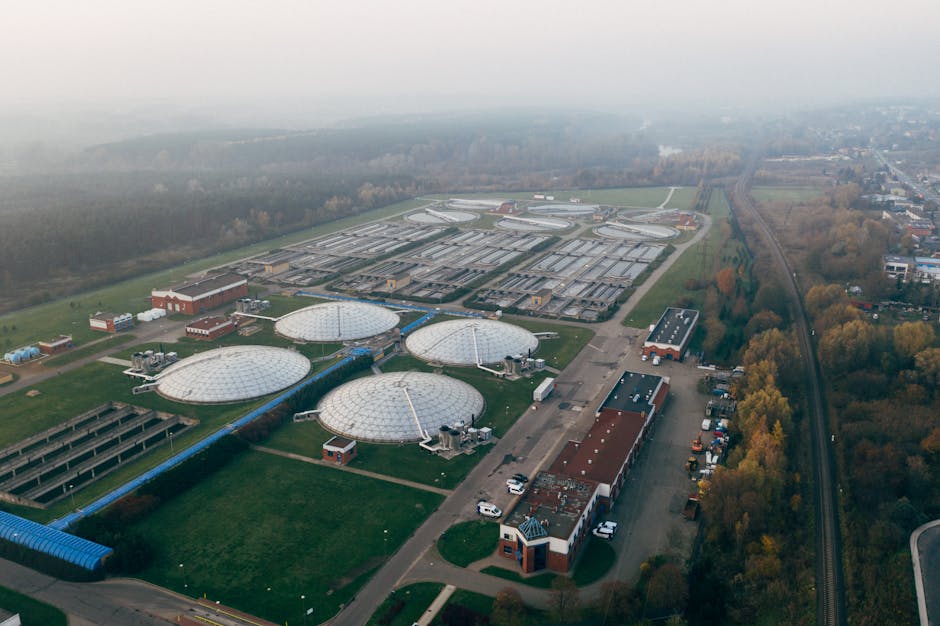
Septic tanks function by treating wastewater from homes through a natural process of decomposition and filtration. The tank is typically buried underground and consists of a large, watertight container made of concrete, fiberglass, or plastic. Wastewater flows into the tank, where solids settle at the bottom, forming a sludge layer, while lighter materials like grease float to the top, creating a scum layer.
Regular septic tank cleaning is necessary to remove the sludge and scum that accumulate over time. If these layers are not periodically removed, they can clog the tank and the drainage field, causing backups and system failures. Homeowners should be aware of the signs indicating that their septic tank needs cleaning, such as slow drains, unpleasant odors, and water pooling in the yard.
When to Clean Your Septic Tank
Determining the right time to clean a septic tank can vary based on several factors, including the size of the tank, the number of people living in the household, and the amount of wastewater generated. Generally, it is recommended to have your septic tank inspected and cleaned every three to five years. However, larger households may need to schedule cleanings more frequently.
A good rule of thumb is to keep track of the tank’s capacity and the frequency of use. For instance, a family of four might require cleaning every three years, while a couple may extend that timeline to five years. Additionally, regular inspections can help identify any potential issues before they become significant problems, saving homeowners time and money in the long run.
The Septic Tank Cleaning Process
The cleaning process typically begins with an inspection by a professional septic service provider. They will check for any signs of damage or issues with the tank and its components. Once the inspection is complete, the cleaning process starts with pumping out the contents of the tank. This is done using a specialized vacuum truck that ensures the waste is safely removed and transported for proper disposal.
After pumping, the technician will usually clean the tank’s interior surfaces to remove any residual sludge and scum. This step is important to maintain the efficiency of the tank and prevent future buildup. Once cleaning is complete, the technician will inspect the drain field to ensure it is functioning correctly, as problems in this area can lead to further complications.
Preventive Measures for Septic Tank Health
To prolong the life of a septic tank and reduce the frequency of required cleanings, homeowners should adopt certain preventive measures. One of the most effective practices is to limit the use of harsh chemicals that can disrupt the natural bacteria in the tank. Instead, consider using biodegradable products that are less harmful to the septic system.
Another key practice is to be mindful of water usage. Overloading the system with excessive water can lead to backups and failures. Homeowners should also avoid flushing non-biodegradable items, such as wipes, feminine hygiene products, and other debris, as these can clog the system and lead to costly repairs.
Additionally, scheduling regular inspections and adhering to a routine of septic maintenance can help identify potential issues early, ensuring the system operates smoothly and effectively.
Conclusion
Septic tank cleaning is an essential aspect of home maintenance that should not be overlooked. Understanding how septic systems work and recognizing the signs that indicate the need for cleaning can save homeowners from expensive repairs and health hazards. By establishing a regular cleaning schedule and adopting preventive measures, homeowners can ensure their septic systems remain efficient and functional for years to come. Taking care of septic tanks is not just about maintenance; it is also about preserving the environment and ensuring the health of those who live in the vicinity.
