
As urban populations grow and arable land diminishes, the agricultural industry faces unprecedented challenges. Traditional farming methods are struggling to keep pace with the food demands of the modern world. Enter vertical farming technology, a groundbreaking approach that leverages innovative techniques to grow food in urban settings. This article explores the intricacies, benefits, and future prospects of vertical farming.
What is Vertical Farming?
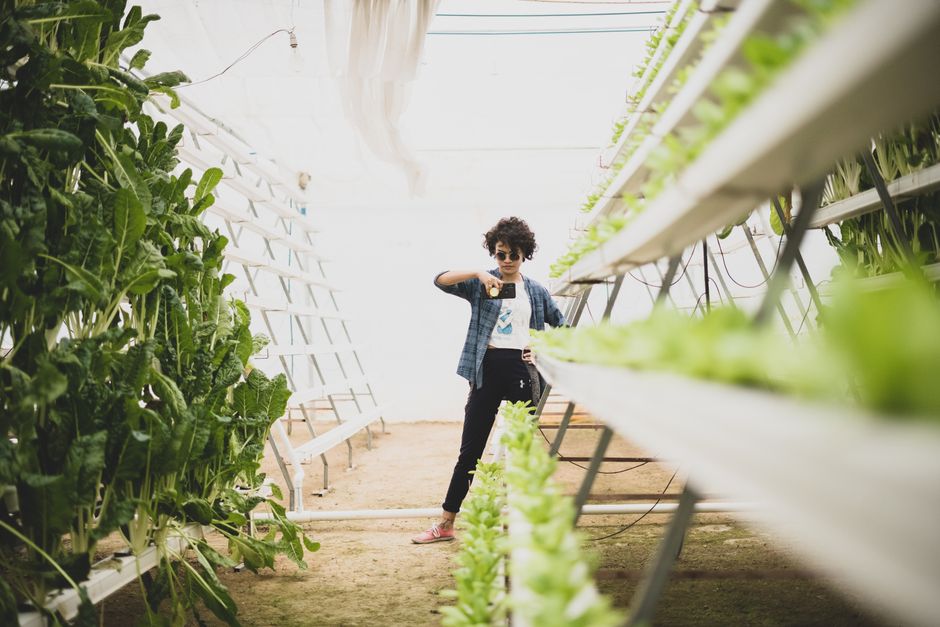
Vertical farming refers to the practice of cultivating crops in vertically stacked layers or structures, often integrated into controlled-environment agriculture (CEA) technology. This innovative farming method utilizes advanced systems for lighting, temperature control, and nutrient delivery, which allows for year-round crop production regardless of external climate conditions.
The concept of vertical farming is not entirely new. However, recent technological advancements have made it more viable and attractive. For instance, hydroponics and aeroponics are among the techniques used to grow plants without soil, significantly reducing water usage and eliminating the need for pesticides.
One of the most appealing aspects of vertical farming is its potential to reduce the carbon footprint associated with food production. By situating farms closer to urban centers, transportation costs and emissions are minimized, contributing to a more sustainable food system.
Benefits of Vertical Farming Technology
The advantages of vertical farming are manifold. Firstly, it maximizes land use efficiency. With the ability to grow crops in multi-tier systems, vertical farms can produce more food per square foot compared to traditional farming methods.
Moreover, vertical farms often utilize renewable energy sources, such as solar or wind power, which can further reduce their environmental impact. This approach aligns with global sustainability goals, making vertical farming a crucial player in the fight against climate change.
There are also significant economic benefits. Vertical farms can yield crops faster than traditional farms, leading to higher productivity rates. With the rising demand for fresh produce, especially in urban areas, vertical farming presents a lucrative opportunity for entrepreneurs and investors.
Technological Innovations Driving Vertical Farming
Several technological innovations are driving the growth of vertical farming technology. One prominent example is the use of artificial intelligence (AI) and machine learning. These technologies enable farmers to monitor plant health and optimize growing conditions in real-time.
Additionally, advancements in LED lighting have revolutionized how crops are grown indoors. By providing the right spectrum of light for photosynthesis, LED lights can boost plant growth while minimizing energy consumption. This efficiency is vital for maintaining the economic viability of vertical farms.
Automation is another key component of vertical farming. Automated systems can manage tasks such as planting, harvesting, and packaging, reducing labor costs and increasing overall efficiency. This level of automation also allows for more consistent product quality, which is essential for meeting the demands of consumers.
Challenges and Considerations
Moreover, while vertical farms can produce a variety of leafy greens and herbs, scaling up to produce staple crops like wheat and rice remains a challenge. Research and development are ongoing to address these limitations and broaden the range of crops that can be successfully grown in vertical farming systems.
Another consideration is the reliance on technology. Power outages or system failures can lead to crop loss, making it essential for vertical farms to have contingency plans in place to mitigate risks.
The Future of Vertical Farming
Looking ahead, the future of vertical farming appears promising. As urbanization continues and the global population rises, the need for efficient and sustainable food production methods will only grow. Vertical farming technology is well-positioned to meet these challenges.
Moreover, partnerships between technology companies and agricultural firms are likely to foster further innovations in vertical farming. As research progresses, we can expect to see improvements in crop varieties specifically tailored for vertical farming systems, enhancing both yield and nutritional content.
In conclusion, vertical farming technology represents a revolutionary shift in how we approach food production. By combining sustainability with cutting-edge technology, it offers a viable solution to the pressing challenges faced by the agricultural industry today. As we continue to explore the possibilities of vertical farming, it is crucial to support initiatives that promote this innovative approach to ensure a sustainable future for food production.
To learn more about the advancements in this field, check out the latest insights on vertical farming technology.
