
Education is undergoing a profound transformation, driven by technological advancements, changing societal needs, and a greater emphasis on personalized learning. In this article, we will explore the latest innovations and trends that are reshaping the educational landscape, focusing on how these developments are enhancing the learning experience for students around the globe.
Embracing Technology in the Classroom
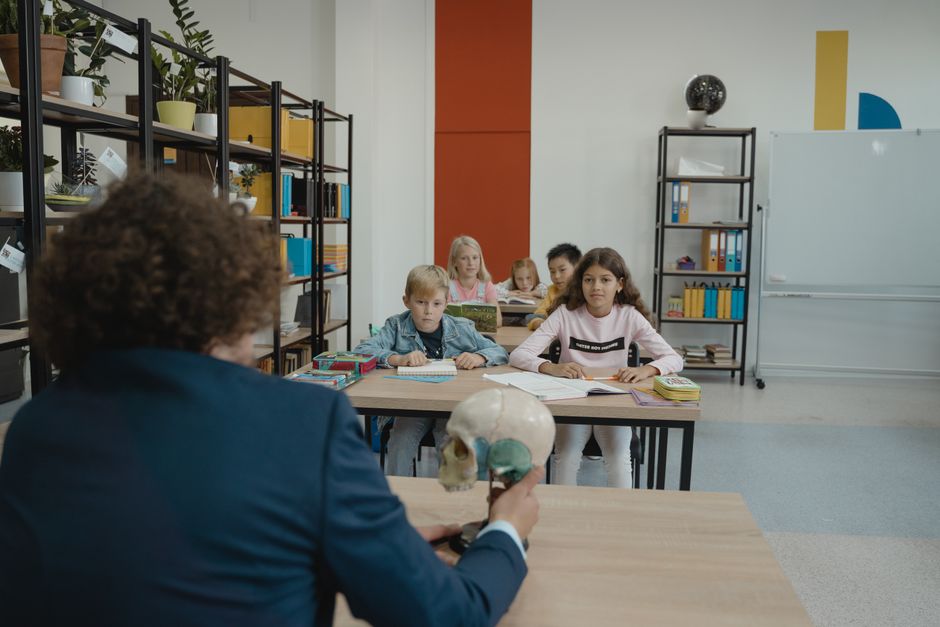
The integration of technology in education is no longer a luxury; it has become a necessity. Smart classrooms equipped with interactive whiteboards, tablets, and virtual reality tools are revolutionizing traditional teaching methods. According to a report by the International Society for Technology in Education, 93% of educators believe that technology positively impacts student engagement.
Moreover, online learning platforms are making education accessible to a wider audience. With the rise of Massive Open Online Courses (MOOCs), anyone with an internet connection can access courses from prestigious universities. This democratization of education allows individuals to learn at their own pace and convenience.
For instance, platforms like Coursera and edX offer courses ranging from computer science to humanities, enabling learners to acquire new skills that are essential in today’s job market. In fact, a survey by the World Economic Forum found that 54% of employees will require significant reskilling by 2022 due to the rapid changes in technology.
The Shift Towards Personalized Learning
Personalized learning is at the forefront of modern education. This approach tailors educational experiences to meet individual student needs, preferences, and learning styles. By utilizing data analytics, educators can create customized learning pathways that allow students to progress at their own pace.
For example, online platforms often use algorithms to adapt content based on a student’s performance. As a result, students who may struggle in certain areas receive additional resources and support, while advanced learners can move ahead more quickly. This individualized approach not only enhances understanding but also boosts student motivation and engagement.
Additionally, technologies such as artificial intelligence (AI) are being employed to create intelligent tutoring systems. These systems provide real-time feedback and support, allowing for a more responsive learning environment. As AI continues to evolve, its role in education will likely expand, offering even more personalized experiences.
Fostering Collaborative Learning Environments
Collaboration is a key component of effective learning, and modern educational practices are increasingly emphasizing teamwork and communication among students. Group projects, peer reviews, and collaborative platforms like Google Classroom enable students to work together, share ideas, and learn from one another.
Research indicates that collaborative learning not only improves academic performance but also helps develop essential skills such as critical thinking, problem-solving, and interpersonal communication. According to a study published in the Journal of Educational Psychology, students who engage in collaborative learning demonstrate greater retention of knowledge compared to those who learn independently.
Moreover, the COVID-19 pandemic has accelerated the adoption of online collaboration tools. As schools transitioned to remote learning, educators discovered new ways to foster collaboration despite physical distances. Virtual breakout rooms, discussion boards, and interactive online activities have become integral to maintaining a sense of community among learners.
Addressing Mental Health and Well-being in Education
The well-being of students has gained increased attention in recent years, with a growing recognition of the link between mental health and academic success. Schools are adopting holistic approaches that prioritize emotional and mental well-being, creating supportive environments for students.
Programs that focus on social-emotional learning (SEL) are being implemented in many educational settings to help students develop resilience, empathy, and emotional regulation. By teaching these skills, educators aim to equip students to handle stress and challenges more effectively.
Furthermore, the integration of mental health resources within schools is becoming more common. Access to counselors, mental health workshops, and mindfulness practices are being incorporated into the curriculum, fostering a culture of openness and support. According to the National Alliance on Mental Illness, schools that prioritize mental health see improved academic outcomes and reduced behavioral issues.
Conclusion: The Road Ahead for Education
The future of education is bright, characterized by innovation, inclusivity, and a focus on student-centered learning. As technology continues to evolve, educators must remain adaptable, embracing new tools and methodologies that enhance the learning experience.
By fostering collaboration, personalizing learning, and prioritizing mental health, we can create an educational environment that prepares students for success in an increasingly complex world. The journey towards a more effective and equitable education system is ongoing, but with commitment and innovation, we can pave the way for future generations.
As we continue to explore the possibilities of education, it’s essential to stay informed about emerging trends and practices, such as how platforms like toto togel might influence the learning landscape in unexpected ways.
