
As environmental concerns continue to grow, the importance of effective plastic recycling has never been more critical. Plastic waste is one of the most pressing issues facing our planet, and companies dedicated to recycling this material play a vital role in mitigating its impact. This article explores the current landscape of plastic recycling companies, the innovations driving the industry forward, and the challenges they face in the quest to create a sustainable future.
Understanding Plastic Recycling
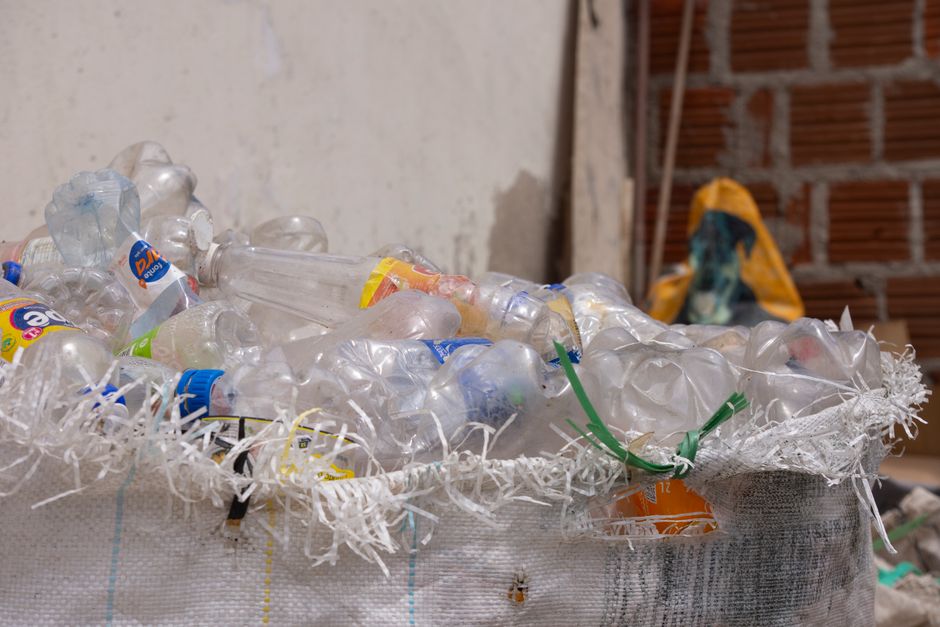
Plastic recycling involves the collection, processing, and conversion of plastic waste into reusable materials. This process not only helps reduce the volume of waste in landfills but also conserves natural resources by diminishing the need for new plastic production. According to the Environmental Protection Agency (EPA), approximately 9% of plastic waste is recycled, highlighting the urgent need for improvement in recycling rates.
Recycling plastic typically involves several stages, including sorting, shredding, washing, and melting the plastic into pellets that can be used to manufacture new products. Each stage presents unique challenges, particularly in terms of contamination and the need for efficient sorting technologies.
Innovative Technologies in Plastic Recycling
Recent advancements in technology have significantly improved the efficiency and effectiveness of plastic recycling processes. One notable innovation is the development of advanced sorting technologies, which utilize artificial intelligence (AI) and machine learning to identify and separate different types of plastics quickly. This technology minimizes contamination and increases the quality of recycled materials.
Additionally, chemical recycling methods are gaining traction as they allow for the recycling of plastics that are traditionally deemed non-recyclable. These processes break down plastics into their original monomers, enabling the creation of new plastic products without degrading their quality. For instance, companies are now able to recycle polystyrene, which was previously challenging due to its lightweight and fragile nature.
The Role of Plastic Recycling Companies
Plastic recycling companies serve as the backbone of the recycling ecosystem, working tirelessly to collect, process, and repurpose plastic waste. These companies not only contribute to environmental sustainability but also create economic opportunities within their communities. For example, numerous recycling facilities have emerged, providing jobs and fostering local economies while promoting a circular economy.
One such company, plastic recycling company, exemplifies how businesses can lead the charge in sustainability efforts. By innovating their recycling processes and investing in community education programs, they help raise awareness about the importance of recycling and the proper disposal of plastic waste.
Challenges Facing the Plastic Recycling Industry
Despite the positive strides made in plastic recycling, several challenges persist. One significant issue is the lack of consumer awareness and participation in recycling programs. Many individuals are still uncertain about what can and cannot be recycled, leading to widespread contamination of recyclable materials.
Moreover, the fluctuating market demand for recycled plastics poses another challenge. When the price of virgin plastic is low, companies may opt to use new materials instead of recycled ones, undermining the efforts of recycling initiatives. To combat this, plastic recycling companies must advocate for policies that support the use of recycled materials and create a strong market for them.
The Future of Plastic Recycling
Looking ahead, the future of plastic recycling appears promising, fueled by innovation and a growing commitment to sustainability. Governments, businesses, and consumers are increasingly recognizing the importance of reducing plastic waste and promoting recycling. Initiatives such as extended producer responsibility (EPR) programs encourage manufacturers to take responsibility for the entire lifecycle of their products, including end-of-life disposal.
Moreover, collaborations between plastic recycling companies and manufacturers are becoming more common. By working together, they can develop new products that utilize recycled materials, thereby closing the loop in the plastic lifecycle. As technology continues to evolve, it is expected that recycling processes will become even more efficient, further enhancing the role of plastic recycling in achieving a sustainable future.
Conclusion
In conclusion, plastic recycling companies are integral to tackling the global plastic waste crisis. Through innovation, community engagement, and collaboration, these companies play a crucial role in transforming waste into valuable resources. While challenges remain, the commitment to advancing recycling technologies and practices provides hope for a cleaner, more sustainable future for our planet. As consumers, it is essential to support and participate in recycling efforts, ensuring that we all contribute to a healthier environment.
