
Education has always been a cornerstone of human development, serving not only as a means to acquire knowledge but also as a pivotal factor in shaping society. As the world continues to evolve, the importance of education has become even more pronounced. From fostering critical thinking to promoting social equity, education plays a vital role in personal and collective growth. This article explores the multifaceted nature of education, its impact on individuals and society, and the innovative approaches being adopted to enhance learning experiences.
The Role of Education in Personal Development
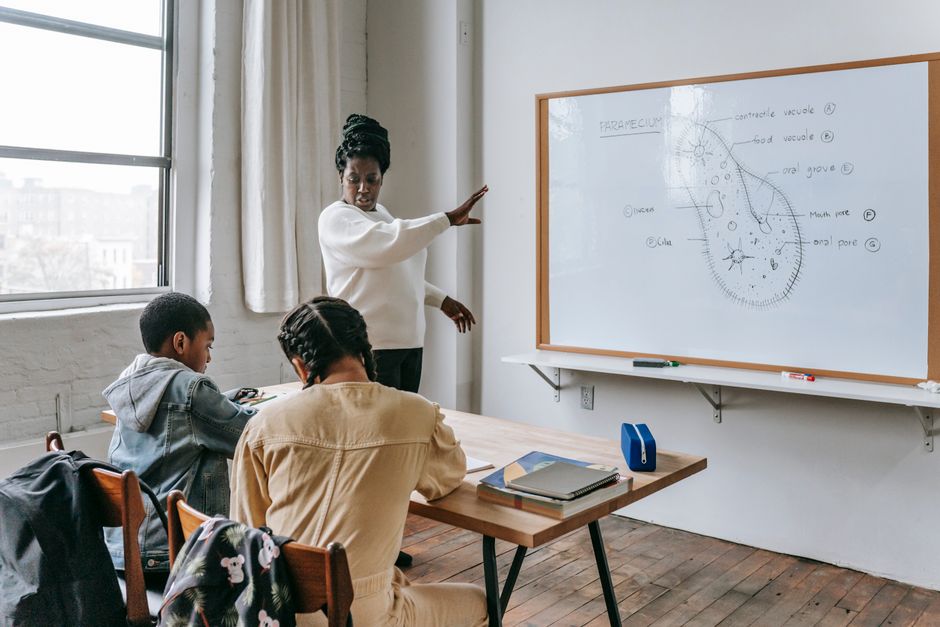
Education is not merely about gaining academic knowledge; it is also about personal growth. Through education, individuals develop essential life skills such as communication, problem-solving, and teamwork. These skills are crucial in navigating both personal and professional landscapes.
Moreover, education instills a sense of discipline and responsibility. Students learn to manage their time, prioritize tasks, and work towards long-term goals. For instance, research indicates that individuals with higher educational attainment tend to exhibit greater self-discipline and resilience in the face of challenges.
Furthermore, education broadens one’s horizons, exposing individuals to diverse ideas and perspectives. This exposure fosters empathy and understanding, essential qualities in our increasingly interconnected world. As we embrace diversity, education serves as a bridge that connects different cultures and communities.
Education as a Tool for Social Change
Education is a powerful tool for social change, promoting equity and justice in society. It empowers marginalized groups by providing them with the knowledge and skills necessary to advocate for their rights and improve their circumstances. Access to education can significantly reduce poverty levels and enhance economic opportunities.
Statistics show that each additional year of schooling can increase an individual’s income by approximately 10%. This economic impact underscores the importance of investing in education, particularly in underprivileged areas. By ensuring that everyone has access to quality education, we can work towards breaking the cycle of poverty and fostering a more equitable society.
Moreover, education encourages civic engagement and participation. Educated individuals are more likely to vote, volunteer, and engage in community activities. This active participation is crucial for the health of democracy and the promotion of social cohesion.
Innovative Approaches to Education
In recent years, the landscape of education has changed dramatically, driven by technological advancements and innovative teaching methods. Online learning platforms, for example, have made education more accessible than ever. Students can now access a wealth of resources and courses from around the globe, breaking down geographical barriers to education.
Additionally, experiential learning has gained traction, emphasizing hands-on experiences and real-world applications. This approach encourages students to engage actively with the material, leading to deeper understanding and retention of knowledge. For instance, project-based learning allows students to tackle real-life problems, fostering critical thinking and creativity.
Furthermore, the incorporation of technology in the classroom has transformed how educators teach and students learn. Interactive tools, such as educational software and online simulations, enhance the learning experience, making it more engaging and effective. Many educators now utilize blended learning approaches, combining traditional face-to-face instruction with online components to cater to diverse learning styles.
The Global Perspective on Education
Education is a global issue, with different countries facing unique challenges and opportunities. In many developing nations, access to quality education remains a significant hurdle. However, various organizations and governments are making strides to improve educational access and quality.
For example, initiatives aimed at increasing female enrollment in schools have shown remarkable success in regions where gender disparity in education is prevalent. By addressing cultural and systemic barriers, these initiatives are empowering young girls to pursue their education, ultimately contributing to societal progress.
Moreover, international collaboration in education is becoming increasingly important. Programs that promote student exchange and cross-cultural learning experiences foster global citizenship and understanding. As students learn about different cultures and perspectives, they become more prepared to navigate an interconnected world.
Conclusion
In conclusion, education is a fundamental pillar of society that shapes individuals and communities alike. It fosters personal development, promotes social change, and adapts to the evolving needs of the modern world. As we continue to embrace innovative approaches and strive for equitable access to education, we must recognize its transformative power. By investing in education, we invest in a better future for all. As society progresses, we should also explore how education can intersect with various fields, such as technology and social enterprise, to create a more informed and engaged populace. Ultimately, education is not just a pathway to knowledge; it is a gateway to a brighter and more inclusive future. Furthermore, exploring resources like toto togel can provide additional insights into the educational landscape.
