
Horse riding is not just a sport; it is an experience that connects you with nature and animals in a unique way. For beginners, the journey starts with understanding the various aspects of riding, including lessons, equipment, and safety measures. This article aims to provide a comprehensive guide to horse riding lessons, ensuring that you are well-prepared to embark on this exciting adventure.
Understanding the Basics of Horse Riding
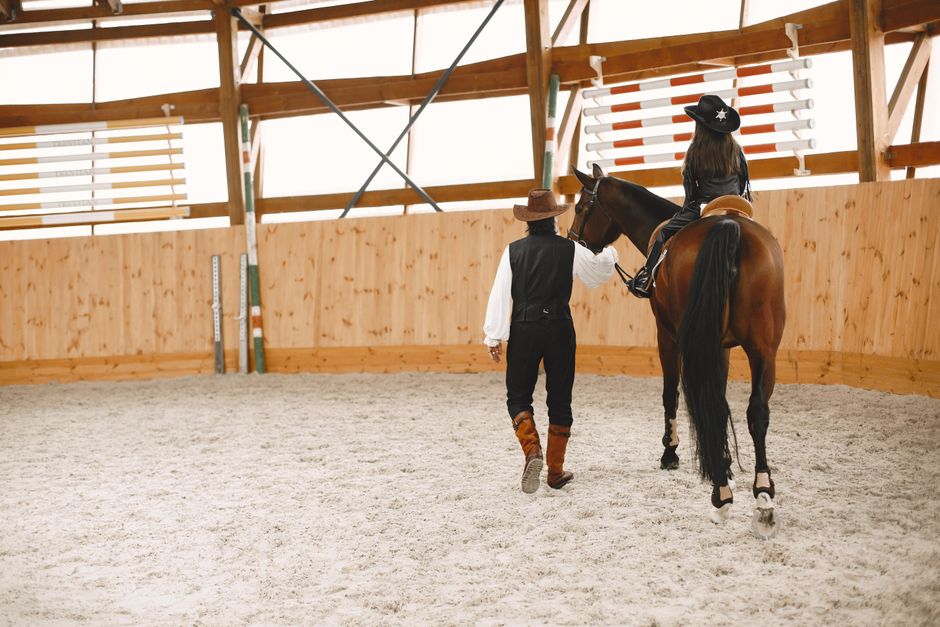
Before diving into horse riding lessons, it is essential to grasp the fundamentals. Horse riding involves more than just sitting on a horse; it requires knowledge about horse behavior, riding techniques, and the equipment used. Typically, lessons will start with ground exercises, allowing riders to become familiar with horses and their movements.
A common misconception is that riding is only about the physical aspect. In reality, it also involves mental preparation. Riders need to develop confidence and learn to communicate with their horses effectively. This is where the guidance of a qualified instructor becomes invaluable.
Instructors play a crucial role in shaping a rider’s experience. They assess your skill level and tailor lessons to meet your individual needs. Each lesson is designed to build upon the previous one, ensuring that you progress in a safe and structured environment.
Choosing the Right Riding School
Finding the right riding school is imperative for beginners. Look for establishments with certified instructors who have experience in teaching novice riders. A good riding school will offer a variety of programs that cater to different skill levels and age groups.
It’s also beneficial to visit the school beforehand. Observe a lesson to see how instructors interact with their students and horses. This will give you an understanding of their teaching style and the overall environment. Additionally, check if the school maintains its facilities well, as a safe and clean environment is crucial for learning.
Another factor to consider is the type of riding you wish to pursue. Different schools may specialize in various disciplines such as dressage, jumping, or western riding. Ensure that the school you choose aligns with your interests.
What to Expect in Your First Riding Lesson
Your first horse riding lesson is an exciting milestone. Typically, it will begin with an introduction to the horse you will be riding. Instructors will explain how to groom and tack up the horse, which is an essential part of the riding process.
After preparing the horse, you will learn basic mounting techniques and how to hold the reins correctly. The instructor will guide you through some fundamental riding positions. Balance is key in riding, and your instructor will help you find your center of gravity.
As you start to ride, expect to walk and possibly trot with guidance from your instructor. The focus will be on developing a feel for the horse and understanding how to communicate through body language. Remember, every rider progresses at their own pace, so patience is essential.
Safety Measures and Equipment
Safety should always be the top priority when it comes to horse riding. Wearing the appropriate safety gear is crucial. A certified riding helmet is a must, as it protects against head injuries in case of falls. Additionally, wearing riding boots with a heel is recommended to prevent your foot from slipping through the stirrup.
Before each lesson, inspect your equipment to ensure everything is in good condition. This includes checking the saddle, bridle, and other tack. If you notice any wear or damage, report it to your instructor immediately.
Furthermore, understanding horse behavior is vital for your safety. Learn how to approach and handle horses calmly, as sudden movements can startle them. This knowledge not only keeps you safe but also builds a strong bond between you and your horse.
Progressing Beyond the Basics
Once you have a solid foundation from your initial lessons, you can start exploring more advanced riding techniques. This includes learning to canter, jumping, and even participating in competitions if you choose. Each step will require new skills and greater confidence, so continuous practice is essential.
Many riders find that joining a club or community can enhance their experience. It provides opportunities for social interaction, shared learning experiences, and even group lessons. Engaging with other riders can motivate you and expose you to different riding styles and techniques.
As your skills develop, consider setting personal goals. Whether it’s mastering a specific riding technique, participating in local competitions, or simply enjoying leisurely rides through nature, having goals can guide your learning journey.
Conclusion
Embarking on horse riding lessons can be a life-changing experience filled with joy, challenges, and personal growth. By understanding the basics, choosing the right riding school, prioritizing safety, and being open to continuous learning, you can fully enjoy the art of riding. For those eager to start their journey, consider exploring horse riding lessons offered by reputable facilities. Remember, every expert was once a beginner, so embrace the journey ahead!
