
In recent years, terraces have become a popular addition to homes and commercial properties alike. They offer an ideal space for relaxation, entertainment, and even gardening. This article explores the various aspects of terraces, from their design and construction to maintenance tips and the benefits they provide. Whether you’re considering building a terrace or simply want to learn more about them, this guide will provide you with valuable insights.
The Importance of Terraces in Modern Architecture
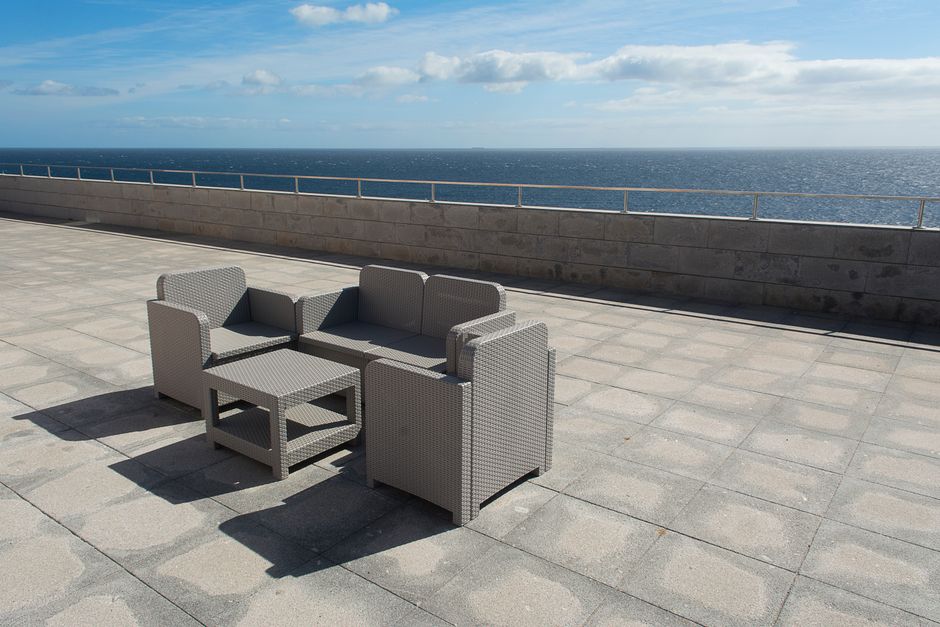
Terraces have transitioned from merely being outdoor spaces to integral parts of modern architectural design. They enhance aesthetic appeal and functionality, serving as an extension of indoor living areas. Many architects now incorporate terraces into their designs to maximize usable space, especially in urban settings where square footage is at a premium. A well-designed terrace can significantly increase the value of a property and improve the quality of life for its inhabitants.
Additionally, terraces can provide numerous environmental benefits. They can help reduce urban heat by providing green spaces that cool the air. Integrating plants and greenery into terrace designs can contribute to biodiversity in urban areas, creating habitats for various species. With the rise of sustainable architecture, terraces are increasingly recognized as vital components that contribute to eco-friendly living.
Designing Your Dream Terrace
When it comes to designing a terrace, several factors must be considered, including size, shape, material, and purpose. The first step is to assess the available space and determine how the terrace will be used. For instance, will it serve as a dining area, a lounge, or perhaps a garden? Each purpose will influence the design choices you make.
Materials play a crucial role in the overall look and longevity of the terrace. Common materials include wood, stone, and composite decking. Each material has its advantages and disadvantages regarding maintenance and durability. For example, wooden terraces provide a warm and natural look but require regular treatment to prevent rot. In contrast, stone and composite materials may require less maintenance but can be more expensive. It’s essential to choose materials that align with your aesthetic preferences and maintenance capabilities.
Furthermore, incorporating elements like railings, lighting, and furniture can enhance the functionality and ambiance of your terrace. Consideration of the surrounding landscape and architecture will help integrate your terrace seamlessly into the existing environment.
Construction and Installation Tips
Building a terrace involves several steps, from planning and design to actual construction. Hiring a professional contractor is often advisable, especially for larger projects, to ensure safety and adherence to local regulations. However, DIY enthusiasts can also tackle smaller terrace projects with the right tools and knowledge.
Before beginning construction, it is crucial to check local zoning laws and building codes. Some areas may have restrictions on the height or size of terraces, which could impact your design choices. Additionally, obtaining the necessary permits will help avoid future legal complications.
Once you have the design and permits in place, the construction process typically begins with preparing the foundation. A solid foundation is essential for the stability and longevity of the terrace. Depending on the materials chosen, additional preparations may be necessary, such as waterproofing and drainage solutions to prevent water damage.
Maintaining Your Terrace
Regular maintenance is key to keeping your terrace looking its best. The frequency and type of maintenance will depend on the materials used and the local climate. For wooden terraces, regular cleaning and sealing are essential to protect against weather-related damage. Stone or composite materials may only require occasional cleaning to remove dirt and debris.
Additionally, seasonal upkeep is vital. In the fall, for example, leaves and debris should be cleared to prevent mold and decay. During winter, snow and ice should be carefully removed to avoid damage to the structure. Regular inspections will help catch any issues early, saving time and money in the long run.
Integrating plants into your terrace can add beauty and improve air quality. However, it’s essential to choose plants that thrive in your climate and consider their maintenance needs. Using pots and containers can also make it easier to manage your garden and provide flexibility in design.
Benefits of Having a Terrace
The benefits of having a terrace extend beyond aesthetic appeal. Terraces provide an outdoor space for relaxation and social gatherings, offering a private retreat in busy urban settings. They can enhance your mental well-being by providing access to fresh air and sunlight, which are known to boost mood and reduce stress.
Moreover, terraces can be a great investment. Properties with well-designed outdoor spaces tend to attract higher sale prices and rental values. According to a study by the National Association of Realtors, homes with outdoor living spaces can sell for up to 20% more than those without. Therefore, investing in a terrace can yield significant returns in the long run.
In conclusion, terraces offer a multitude of benefits, from enhancing property value to providing a personal oasis. Whether you choose to construct one for relaxation, entertainment, or gardening, the key is to plan thoughtfully and maintain it well. By doing so, you can create a beautiful and functional outdoor space that will be enjoyed for years to come.
For those interested in adding features like Terrassenüberdachungen to their terrace, there are many options available to enhance the usability of these outdoor spaces.
