
In today’s competitive real estate market, first impressions are everything. Home staging has emerged as a crucial strategy for sellers looking to maximize their property’s appeal. By strategically arranging furniture and decor, home staging not only enhances the aesthetic appeal of a space but also helps potential buyers envision themselves living there. This article explores the importance of home staging services, the process involved, and how it can significantly impact the sale of a property.
Understanding Home Staging
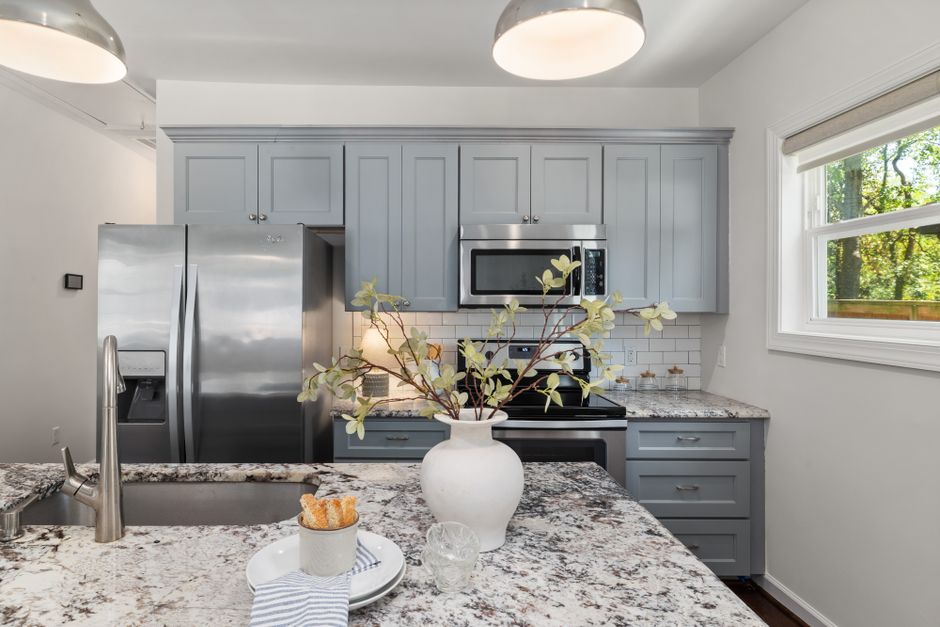
Home staging is the process of preparing a residential property for sale in the real estate marketplace. This involves decluttering, depersonalizing, and rearranging furniture to highlight the home’s strengths and minimize its weaknesses. Professional home stagers are trained to create an inviting atmosphere that resonates with potential buyers. According to the National Association of Realtors, staged homes sell 73% faster than non-staged homes. This statistic underscores the effectiveness of staging in the selling process.
Moreover, home staging is not just about making a home look pretty; it’s about creating a narrative that allows buyers to imagine their lives in the space. This involves understanding the target demographic and tailoring the staging to meet their preferences. For example, a family-oriented home may benefit from showcasing child-friendly spaces, while a luxury condo may be staged to emphasize sleek, modern designs.
The Home Staging Process
Engaging a home staging service typically begins with a consultation where the stager assesses the property. They will identify areas that need improvement and suggest changes that can enhance the overall appeal. This may include painting walls in neutral colors, updating fixtures, or even renting stylish furniture and accessories.
Once the assessment is complete, the stager will develop a plan tailored to the property. This plan often includes recommendations for furniture placement, decor choices, and even landscaping tips for the exterior. The goal is to create a cohesive look that flows from room to room and invites buyers to explore every corner of the house.
During the staging process, it’s essential to keep the target market in mind. For instance, staging a home for young professionals may involve using modern, minimalist furniture, while a home meant for retirees might benefit from more traditional, comfortable furnishings. This strategic approach ensures that the staging resonates with potential buyers, making it easier for them to connect with the space.
Benefits of Home Staging
The benefits of home staging extend beyond aesthetics. A well-staged home can lead to quicker sales and higher offers. Properties that are staged often receive offers that are 10% higher than unstaged homes. This added value can make a significant difference in the overall profit from the sale.
Additionally, home staging helps photographs stand out in online listings. With the majority of home buyers starting their search online, having high-quality, visually appealing images can attract more interest. This is where professional home staging services can make a difference, as they understand how to create visually impactful spaces that translate well into photographs.
Furthermore, staging allows homeowners to reduce the time their property sits on the market. The longer a home remains unsold, the more the sellers may have to lower their asking price. By investing in staging, sellers can potentially avoid costly price reductions and expedite the sale process.
Choosing the Right Home Staging Service
When selecting a home staging service, it’s crucial to consider their experience and portfolio. Look for professionals who have a proven track record of successfully staging homes similar to yours. Reviews and testimonials from previous clients can provide insight into their effectiveness and style.
Additionally, a good home staging service will offer a comprehensive package that includes everything from initial consultation to the final setup. They should be able to work within your budget and timeline while providing creative solutions to enhance your home’s appeal.
It’s also important to communicate your goals and preferences clearly. A successful staging project is a collaboration between the homeowner and the stager, ensuring that the final result reflects the best aspects of the property while appealing to potential buyers.
Conclusion
Home staging is an invaluable tool in the real estate market, providing sellers with a competitive edge. By transforming a space into an inviting and appealing environment, homeowners can attract more buyers and potentially secure higher offers. Investing in a professional home staging service can significantly enhance the overall selling experience, making it a worthwhile consideration for anyone looking to sell their property. Ultimately, staging is not merely about decoration; it’s about creating a connection that resonates with buyers, allowing them to visualize their future in the home.
