
In today’s competitive business environment, the importance of a well-designed interior space cannot be overstated. Commercial interior designers play a crucial role in shaping environments that not only reflect a brand’s identity but also enhance functionality and employee productivity. This article delves into the multifaceted world of commercial interior design, examining its significance, key elements, and emerging trends.
Understanding Commercial Interior Design
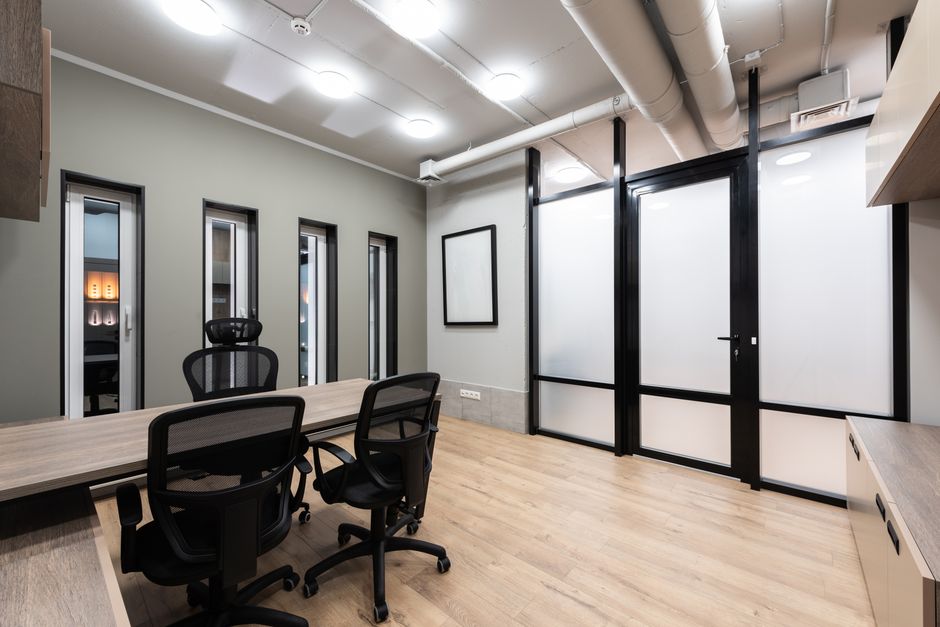
Commercial interior design focuses on creating functional and aesthetically pleasing spaces in various business environments, including offices, restaurants, hotels, and retail stores. Unlike residential design, which primarily emphasizes personal taste, commercial design must align with corporate branding and operational needs. It involves a careful blend of architecture, furniture design, and decor to create spaces that are both practical and inviting.
One of the primary goals of commercial interior design is to enhance the user experience. For instance, a well-designed office layout can improve communication among team members, facilitate collaboration, and increase overall productivity. According to a study by the International Facility Management Association, effective design can boost employee satisfaction by up to 30%.
The Design Process
The journey of commercial interior design typically begins with a thorough understanding of the client’s needs and objectives. Designers collaborate with stakeholders to gather insights about the brand, target audience, and functional requirements. This phase is crucial, as it sets the foundation for the entire project.
After gathering information, designers create concept sketches and mood boards to visualize ideas. This is where creativity meets functionality, as designers must balance aesthetics with practical considerations. Once the concept is approved, detailed plans, including layouts and color schemes, are developed. It’s important for commercial interior designers to stay updated with the latest design software and tools to create precise and effective designs.
Key Elements of Successful Commercial Interior Design
Successful commercial interior design encompasses several key elements that contribute to the overall effectiveness of a space. These include:
- Space Planning: Effective space planning ensures optimal use of available space while meeting the specific needs of the business. It involves arranging furniture, equipment, and pathways to facilitate movement and interaction.
- Lighting: Lighting plays a vital role in setting the mood of a commercial space. Designers must consider natural light sources and incorporate artificial lighting that complements the design while ensuring functionality.
- Branding: A well-designed space should reflect the brand’s identity and values. This can be achieved through color choices, material selection, and the incorporation of brand elements into the design.
- Ergonomics: The comfort and well-being of occupants should always be a priority. Ergonomic furniture and layouts can significantly impact employee productivity and satisfaction.
Emerging Trends in Commercial Interior Design
The field of commercial interior design is continuously evolving, with new trends emerging to meet changing demands and preferences. One notable trend is the emphasis on sustainability. More businesses are seeking eco-friendly materials and designs that minimize environmental impact. This not only helps the planet but also resonates with consumers who prioritize sustainability.
Another trend is the incorporation of technology into design. From smart lighting systems to collaborative workspaces equipped with the latest tech, the integration of technology is enhancing the functionality of commercial spaces. Designers must stay informed about technological advancements to create spaces that meet modern needs.
Additionally, biophilic design, which incorporates natural elements into interior spaces, is gaining popularity. This approach aims to improve well-being by connecting occupants with nature, often through the use of plants, natural light, and organic materials.
The Value of Hiring a Professional
While some businesses might consider managing their interior design projects in-house, hiring a professional commercial interior designer often yields better results. Professionals bring expertise, creativity, and industry knowledge that can transform a space more effectively than a DIY approach.
A skilled designer can navigate the complexities of commercial design, including building codes, safety regulations, and budget constraints. Moreover, they have access to a network of suppliers and contractors, ensuring high-quality materials and workmanship.
For businesses looking to create a unique and functional space, partnering with a commercial interior designer can be a game-changer. They can help to conceptualize and execute designs that not only meet the client’s vision but also enhance the overall business environment.
Conclusion
In conclusion, the role of a commercial interior designer is vital in today’s business landscape. These professionals not only create beautiful spaces but also enhance functionality, promote brand identity, and improve employee well-being. As trends continue to evolve, the importance of skilled interior designers will only grow. Investing in professional design services is not just about aesthetics; it’s about creating environments that drive success and foster innovation.
