
Liposuction has gained immense popularity over the years as a cosmetic procedure aimed at removing excess fat and shaping specific areas of the body. However, one of the most pressing questions prospective patients have is regarding the cost of the procedure. Understanding the factors that influence liposuction costs can help individuals make informed decisions about their aesthetic goals.
Factors Influencing Liposuction Costs
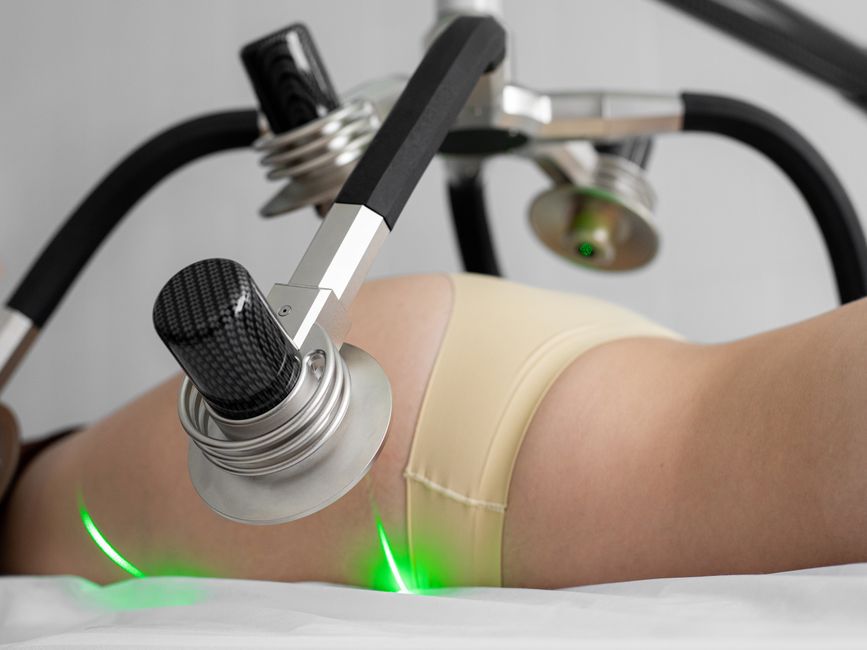
The cost of liposuction can vary significantly based on several factors. The location of the procedure is a major determinant; for instance, urban areas tend to have higher costs compared to rural locations. Additionally, the experience and reputation of the surgeon play a crucial role in pricing. Highly qualified and experienced surgeons may charge more, but they often provide better results and patient care.
Another influencing factor is the complexity of the procedure itself. Different techniques, such as tumescent liposuction or laser-assisted liposuction, may come with varying costs. Furthermore, the number of areas being treated will also affect the overall price. For example, treating multiple areas will typically cost more than focusing on a single area.
Average Liposuction Cost in the United States
On average, the cost of liposuction in the United States ranges from $2,000 to $10,000, depending on the factors mentioned above. According to the American Society of Plastic Surgeons, the average surgeon’s fee for liposuction was around $3,637 in 2020. However, this figure does not include anesthesia, operating room facilities, or other related expenses, which can significantly increase the final bill.
It’s important to note that liposuction is often considered an elective procedure and is typically not covered by health insurance. Therefore, prospective patients should prepare for the financial implications of the procedure and consider financing options available through various medical financing companies.
Additional Costs to Consider
In addition to the surgeon’s fee, patients should be aware of additional costs that can arise during the liposuction process. Anesthesia fees can range from $500 to $1,500, depending on the type of anesthesia used. Facility fees, which cover the cost of using the surgical center, can also add to the overall expense.
Furthermore, post-operative care is an essential aspect of recovery. Patients may need to purchase compression garments, which can cost anywhere from $50 to $200, to aid in recovery and reduce swelling. Some patients may also require follow-up appointments or additional treatments, which can further increase costs.
Financing Options for Liposuction
Given the significant costs associated with liposuction, many patients explore various financing options to make the procedure more affordable. Some plastic surgery centers offer payment plans that allow patients to pay for their procedure in installments. Additionally, third-party financing companies specialize in medical loans for cosmetic procedures, providing patients with flexible payment options.
It’s crucial for patients to thoroughly research and understand the terms and conditions of any financing option they consider. They should also assess their budget and financial situation to ensure they are making a responsible decision regarding their investment in body contouring.
Conclusion: Weighing the Costs Against Benefits
Ultimately, understanding the liposuction cost involves looking beyond the price tag. While the financial aspect is critical, prospective patients should also consider the potential benefits of the procedure, including improved body confidence and satisfaction with their appearance. Consulting with a qualified surgeon can provide personalized estimates and help individuals understand the value of their investment in liposuction.
