
In today’s complex and ever-evolving markets, the role of distributors has become increasingly vital. They serve as the crucial link between manufacturers and retailers or end consumers, ensuring that products reach their final destination efficiently. This article delves into the multifaceted responsibilities of distributors, the challenges they face, and the strategies they employ to thrive in a competitive environment.
The Fundamental Role of Distributors
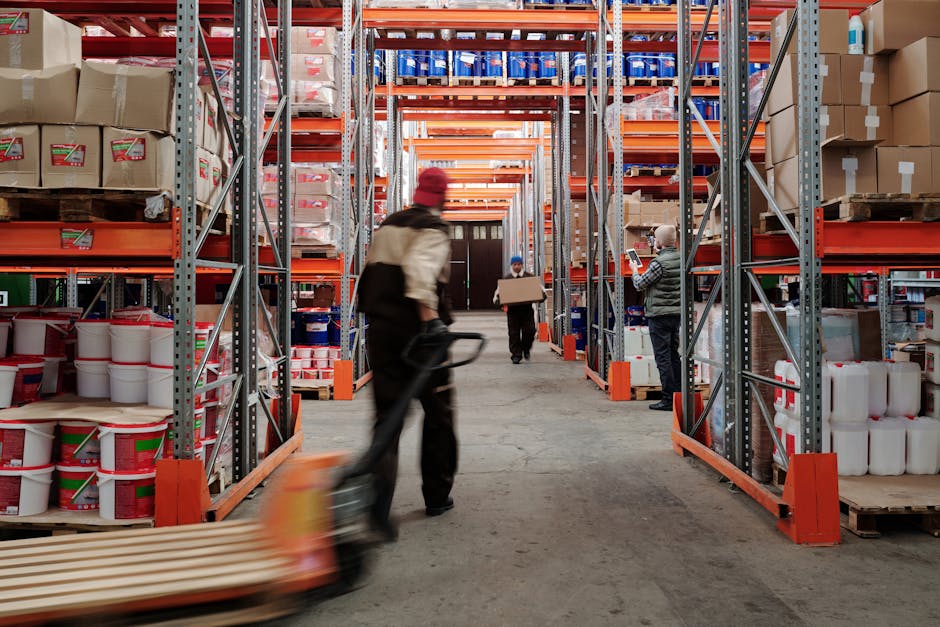
Distributors are responsible for the logistics of getting products from manufacturers to the marketplace. They manage inventory, warehouse operations, and transportation logistics, ensuring that products are available when and where they are needed. This role is especially critical in industries where timing and availability can significantly impact sales and customer satisfaction.
For instance, in the electronics industry, a distributor must ensure that the latest gadgets are available at retail stores as soon as they are released. Any delay can result in lost sales and unhappy customers. Distributors often have established relationships with retailers, allowing them to negotiate terms and manage the flow of goods more effectively.
Moreover, distributors provide valuable market insights to manufacturers. They can analyze sales trends, customer preferences, and competitive dynamics, allowing manufacturers to adjust their strategies accordingly. This feedback loop is essential for continuous improvement and innovation.
Types of Distributors
Distributors can be categorized into several types based on their operational model and the markets they serve. Broadline distributors handle a wide range of products across various categories, while specialized distributors focus on niche markets or specific product lines. For example, a distributor of medical supplies may only cater to healthcare providers, while a broadline distributor might serve restaurants, hotels, and retail outlets.
Additionally, there are wholesalers and retailers who also act as distributors. Wholesalers purchase large quantities of goods from manufacturers and sell them in smaller quantities to retailers. In contrast, retailers sell directly to consumers, often acting as the last link in the distribution chain.
The Challenges Distributors Face
The distribution landscape is not without its challenges. Rapid technological advancements and changing consumer behaviors are reshaping how products are distributed. E-commerce has introduced new players into the market, leading to increased competition. Distributors must adapt to these changes by embracing technology and optimizing their operations.
Supply chain disruptions, such as those caused by natural disasters or global pandemics, also pose significant challenges. Distributors need to develop contingency plans and diversify their supply sources to mitigate these risks. For instance, during the COVID-19 pandemic, many distributors faced shortages and delays, prompting them to reevaluate their supply chains.
Strategies for Success
To thrive in a competitive environment, distributors must employ effective strategies. Lean inventory management is one such strategy that helps minimize costs while ensuring product availability. By implementing just-in-time inventory practices, distributors can reduce storage costs and improve cash flow.
Additionally, investing in technology is crucial for modern distributors. Tools like inventory management systems, customer relationship management (CRM) software, and data analytics can streamline operations and enhance decision-making. For example, a distributor that utilizes data analytics can better predict demand and adjust its inventory levels accordingly.
Moreover, building strong relationships with both manufacturers and retailers is essential. Distributors that foster collaboration and communication can ensure smoother operations and enhanced customer satisfaction. This can include everything from joint marketing initiatives to shared forecasting data.
Future Trends in Distribution
The future of distribution is likely to be shaped by several trends. The rise of e-commerce will continue to change consumer expectations, pushing distributors to offer faster and more flexible delivery options. Additionally, sustainability is becoming a key focus for many businesses, and distributors will need to adopt eco-friendly practices to meet consumer demand.
Furthermore, advancements in automation and robotics are set to revolutionize warehousing and logistics operations. Distributors that invest in these technologies will likely see improved efficiency and reduced labor costs. For example, automated picking systems and drones for delivery are already being tested by various companies.
As the industry evolves, distributors will need to stay agile and adaptable. Embracing change and leveraging new technologies will be essential for maintaining a competitive edge.
Conclusion
In conclusion, distributors play a pivotal role in the supply chain, bridging the gap between manufacturers and consumers. They face numerous challenges but also have opportunities to innovate and improve their operations. By understanding their fundamental role, the types of distributors, the challenges they encounter, and the strategies for success, businesses can better navigate the complexities of modern distribution. As the industry continues to evolve, staying informed and adaptable will be key for distributors aiming to thrive in the future. For instance, the integration of products like BPC157+TB500 into their offerings can enhance their competitive position by catering to niche markets.
