
Refinancing a mortgage can be a daunting process, yet it holds numerous benefits for homeowners looking to improve their financial situation. Whether you aim to lower your monthly payments, shorten the term of your loan, or access cash for home improvements, understanding the ins and outs of refinancing is essential. In this article, we will explore the various aspects of refinancing a mortgage, including why it might be the right decision for you, the types of refinancing options available, and the steps involved in the process.
Why Consider Refinancing?
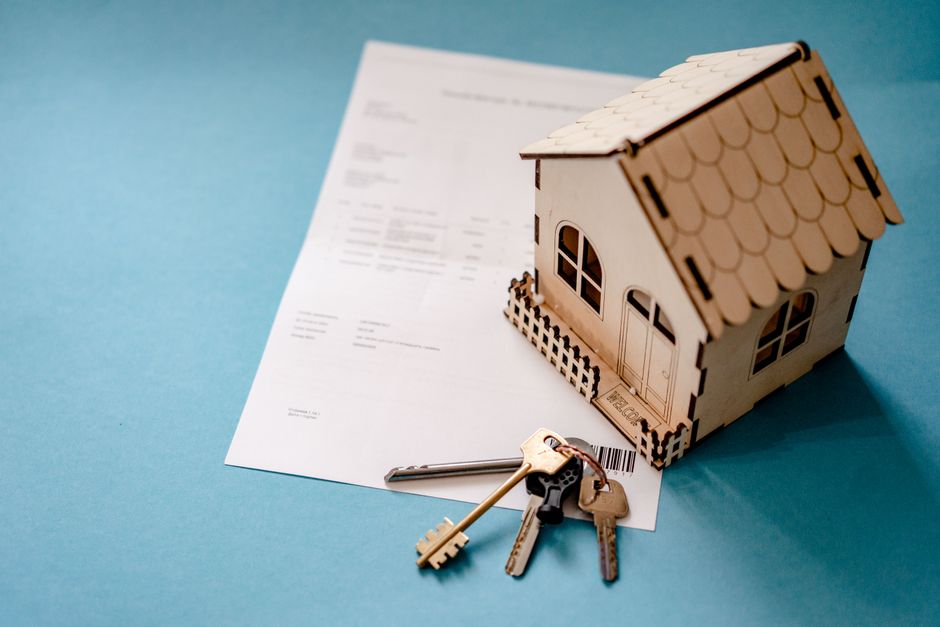
Refinancing your mortgage can be an effective way to save money and achieve your financial goals. One of the primary reasons homeowners choose to refinance is to secure a lower interest rate. According to recent statistics, even a small decrease in your interest rate can result in significant savings over the life of the loan. For instance, a 1% reduction on a $300,000 mortgage could save you approximately $60,000 in interest payments.
Another compelling reason to refinance is to change the loan term. Many homeowners opt to switch from a 30-year mortgage to a 15-year mortgage to pay off their loans more quickly. This shift not only reduces the total interest paid but can also result in increased equity in the home.
Additionally, refinancing can provide an opportunity to access home equity. Homeowners may choose to refinance to take cash out of their home for purposes such as renovations, debt consolidation, or funding education expenses. This can be a smart financial move if managed correctly.
Types of Refinancing Options
There are several types of refinancing options available, each catering to different financial needs and goals. The most common types include rate-and-term refinancing, cash-out refinancing, and streamline refinancing.
Rate-and-term refinancing allows homeowners to take advantage of lower interest rates or change the loan term without withdrawing any equity. This type of refinancing is ideal for those looking to reduce monthly payments or pay off their mortgage faster.
Cash-out refinancing, on the other hand, enables homeowners to borrow more than the amount owed on their mortgage and receive the difference in cash. This option can be beneficial for those looking to fund major expenses or consolidate high-interest debt.
Streamline refinancing programs are designed for specific types of loans, such as FHA and VA loans, allowing for a quicker and less complicated refinancing process. These programs often have relaxed credit and income requirements, making them accessible to a broader range of homeowners.
Steps to Refinance Your Mortgage
Refinancing your mortgage involves several key steps, beginning with evaluating your current financial situation. Start by checking your credit score, as a higher score can lead to better refinancing terms. Consider how long you plan to stay in your home, as this will impact whether refinancing is worthwhile.
Next, shop around for lenders. It’s crucial to compare rates and fees from multiple lenders to ensure you get the best deal. Online tools can help you estimate potential savings and assess different loan scenarios.
Once you have chosen a lender, gather necessary documentation, including income verification, tax returns, and information about your current mortgage. The lender will then process your application, which may involve an appraisal of your home to determine its current value.
Finally, after approval, you will go through the closing process, where you’ll sign the new mortgage documents. It’s important to review all terms and conditions carefully before finalizing the refinance.
Potential Challenges and Considerations
While refinancing offers numerous benefits, there are also potential challenges to consider. One of the most significant factors is closing costs, which can range from 2% to 5% of the loan amount. It’s essential to calculate whether the potential savings outweigh these costs.
Additionally, if your credit score has dropped since you first obtained your mortgage, you may not qualify for the best rates, which could diminish the benefits of refinancing. Furthermore, if you take cash out during refinancing, you may increase your overall debt, potentially leading to financial strain if not managed wisely.
Lastly, market conditions can impact the timing of your refinance. Keeping an eye on interest rate trends and economic indicators can help you determine the optimal time to refinance your mortgage.
Conclusion
Refinancing your mortgage can be a powerful financial strategy, offering the potential for lower payments, increased cash flow, and improved financial stability. However, it is crucial to approach the process with careful planning and consideration. By understanding the reasons to refinance, the types of options available, and the steps involved, homeowners can make informed decisions that align with their financial goals. For those looking to explore the options further, resources such as refinance mortgage guides can provide valuable insights.
