
In the competitive world of dining, the atmosphere of a restaurant can often be just as critical as the menu. Restaurant interior design plays a pivotal role in shaping the guest experience, setting the tone for their visit and influencing their perception of the food and service. A well-designed space not only attracts customers but also encourages them to linger, increasing their likelihood of returning. In this article, we will explore the essential elements of restaurant interior design, the latest trends, and how thoughtful design can enhance the dining experience.
The Importance of Ambiance
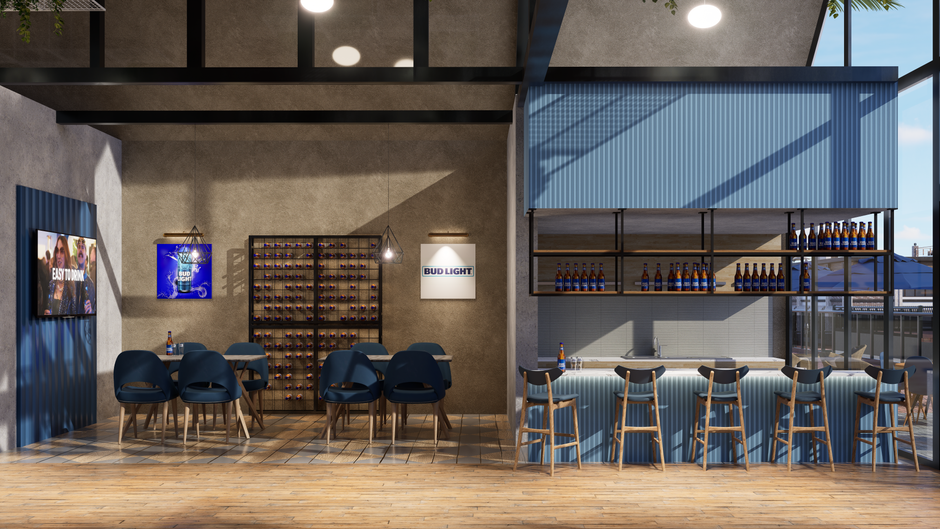
The ambiance of a restaurant is one of the first things patrons notice upon entering. It encompasses everything from the lighting and color scheme to the layout and furnishings. According to a study by Cornell University, over 60% of diners base their overall satisfaction on the ambiance alone. This highlights the critical role that interior design plays in the dining experience.
For instance, a casual café might opt for bright colors and natural light to create a welcoming and relaxed atmosphere, while a fine dining establishment might choose darker tones and subdued lighting to evoke sophistication and intimacy. Additionally, the arrangement of tables and seating can significantly impact how customers interact with each other and the staff, making it essential to design spaces that cater to various dining styles.
Functional Layout and Flow
A well-thought-out layout is crucial for optimizing both service efficiency and customer enjoyment. The flow of the restaurant should allow for easy navigation for both guests and staff. This includes positioning the kitchen in proximity to the dining area, ensuring that servers can quickly deliver food without disrupting the dining experience.
Moreover, the arrangement of furniture should consider various party sizes and configurations. For example, flexible seating options such as movable tables and chairs can accommodate both small and large groups, enhancing the restaurant’s versatility. This adaptability is particularly important in today’s dining landscape, where reservations can vary widely.
Incorporating Local Culture and Themes
Many successful restaurants incorporate elements of local culture into their interior design, creating a unique dining experience that resonates with the community. This could involve using local artwork, materials, or color palettes that reflect the surrounding environment. Such design choices not only celebrate the region’s culture but also create a sense of belonging for diners.
For example, a seafood restaurant located by the coast might feature nautical themes and marine-inspired artwork, while a farm-to-table establishment could use rustic wooden finishes and botanical decor to emphasize its commitment to sustainability and local sourcing. This approach not only enhances the aesthetic appeal but also tells a story that connects with the diner on a personal level.
Trends in Restaurant Interior Design
The world of restaurant interior design is constantly evolving, influenced by changing consumer preferences and advancements in technology. One notable trend is the rise of open kitchen concepts, where diners can view the cooking process, creating a sense of transparency and connection with the food. This not only enhances the dining experience but also promotes the chef’s craftsmanship.
Another trend is the use of sustainable materials and eco-friendly practices in design. As more consumers prioritize sustainability, restaurants are responding by incorporating recycled materials, energy-efficient lighting, and indoor plants that improve air quality. These choices not only contribute to a healthier environment but also appeal to the growing demographic of environmentally-conscious diners.
Conclusion: The Future of Restaurant Interior Design
As the restaurant industry continues to adapt to changing consumer behaviors and preferences, the importance of innovative and thoughtful restaurant interior design cannot be overstated. A well-designed space can create lasting impressions, driving customer loyalty and enhancing the overall dining experience. By focusing on ambiance, functionality, cultural relevance, and current trends, restaurant owners can craft spaces that not only attract diners but also keep them coming back for more. For those interested in exploring the specifics of restaurant interior design, understanding these elements is essential for creating a captivating dining environment.
