
The interior design of a restaurant is more than just aesthetics; it shapes the overall dining experience. From the moment a customer steps inside, they are greeted not only by the menu but by the atmosphere created by the interior. This article delves into the essential elements of restaurant interior design, offering insights into how thoughtful design can elevate a dining establishment.
Understanding the Importance of Restaurant Interior Design
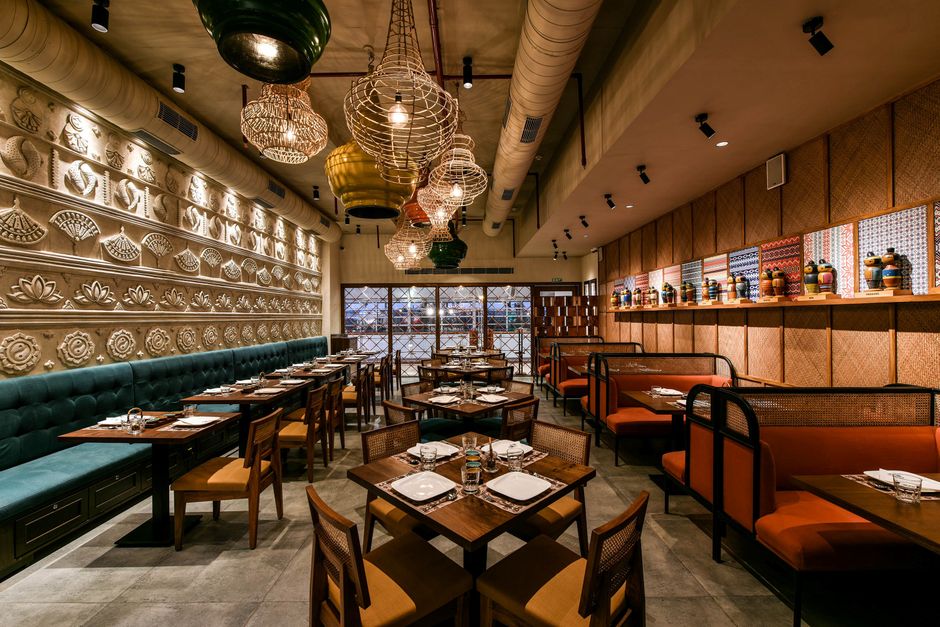
Restaurant interior design plays a critical role in establishing a brand identity. A well-designed space can communicate the essence of the cuisine offered, the target demographic, and the ambiance desired. For instance, a fine dining restaurant may opt for elegant decor, subdued lighting, and luxurious materials to convey sophistication, while a casual eatery might embrace bold colors and playful elements to create a fun, inviting atmosphere.
Moreover, the layout of a restaurant significantly influences customer flow and comfort. Efficient space planning can optimize seating arrangements, ensuring that guests feel both comfortable and engaged. Statistics show that a well-designed restaurant can increase customer retention by up to 20%, highlighting the financial benefits of investing in good design.
Key Elements of Effective Restaurant Interior Design
Several core elements contribute to effective restaurant interior design. These include color schemes, furniture selection, lighting, and decor. Each aspect must work harmoniously to create an inviting environment. For example, colors like warm reds and yellows are often used in the dining industry as they are believed to stimulate appetite and promote conversation.
The choice of furniture is equally vital. Comfortable seating encourages diners to linger, while tables should be proportionate to the space to maintain a sense of balance. Additionally, the integration of unique decor items can serve as conversation starters and enhance the thematic experience of the restaurant. Many successful establishments incorporate local art or handmade items to foster a sense of community and connection.
Trends in Restaurant Interior Design
Staying current with design trends is essential for restaurant owners aiming to attract diverse clientele. Recent trends include the use of sustainable materials, open kitchen concepts, and biophilic design, which integrates natural elements into the dining experience. Sustainable practices not only appeal to environmentally conscious consumers but also can significantly reduce operational costs in the long run.
Open kitchen designs allow diners to witness the culinary process, creating a sense of transparency and engagement. Biophilic design, which incorporates plants and natural light, has been shown to enhance mood and reduce stress, making it a popular choice among modern restaurants.
Creating a Unique Brand Identity through Design
Every restaurant has a unique story to tell, and its interior design should reflect that narrative. By aligning the design with the restaurant’s mission and values, owners can create a cohesive brand experience. For instance, a farm-to-table restaurant may choose rustic decor and natural materials to emphasize its commitment to sustainability and local sourcing.
Moreover, the integration of technology in design has become increasingly prevalent. Many establishments now feature digital menus, interactive tables, and even augmented reality experiences that enhance the dining experience. This technological integration not only attracts tech-savvy diners but also creates a memorable experience that encourages repeat visits.
Future Considerations in Restaurant Interior Design
As we look to the future, the importance of adaptability in restaurant interior design cannot be overlooked. The COVID-19 pandemic has dramatically altered dining habits, leading to a demand for flexible spaces that can accommodate both dine-in and takeout options. Restaurants must remain vigilant and responsive to changing consumer preferences, ensuring that their interiors can be easily modified as needed.
Furthermore, the growing emphasis on health and safety has prompted many restaurants to rethink their layouts, incorporating features such as improved ventilation and more spacious seating arrangements. By prioritizing both aesthetics and functionality, restaurant owners can create an environment that not only appeals to customers but also ensures their well-being.
Conclusion
In conclusion, restaurant interior design is a powerful tool that shapes the dining experience, influences customer behavior, and conveys a brand’s identity. By understanding the key elements of design, staying up-to-date with trends, and creating a unique atmosphere, restaurant owners can significantly enhance their establishment’s appeal. Investing in restaurant interior design is not merely an expense; it is a strategic decision that can lead to greater customer satisfaction and increased profitability.
