
In recent years, the fashion industry has seen a significant shift towards private label clothing. This trend not only allows brands to offer unique products but also enables them to maintain control over quality and pricing. In this article, we will delve into what private label clothing is, its benefits, and how businesses can effectively implement it to enhance their brand identity and profitability.
What is Private Label Clothing?
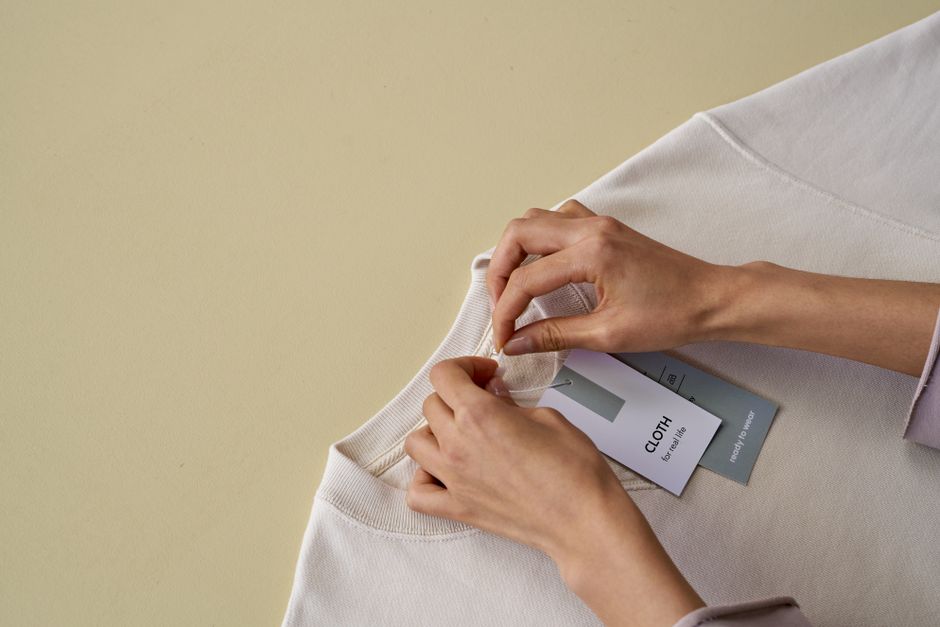
Private label clothing refers to apparel that is manufactured by one company but sold under another brand’s name. This practice allows retailers to create their own unique clothing lines without investing in the manufacturing process. Typically, retailers partner with manufacturers who provide a range of clothing options, which they can then customize with their branding and designs.
The private label model has gained popularity due to its flexibility and potential for higher profit margins. Retailers can choose styles, fabrics, and designs that align with their target market, allowing for a tailored shopping experience. Furthermore, by avoiding the costs associated with brand-name products, retailers can offer competitive pricing while still maintaining quality.
The Benefits of Private Label Clothing
One of the primary advantages of private label clothing is the ability to control the brand narrative. Retailers can ensure that the products align with their brand values and resonate with their customer base. This level of control can lead to stronger brand loyalty and customer retention.
Moreover, private label clothing often provides higher profit margins compared to selling third-party brands. Retailers can set their prices without the constraints imposed by brand agreements, allowing for more strategic pricing strategies. According to a study by the Private Label Manufacturers Association, private label products can yield profit margins that are up to 30% higher than national brands.
How to Start a Private Label Clothing Line
Starting a private label clothing line requires careful planning and execution. The first step is to identify your target market and understand their needs and preferences. Conducting thorough market research can help you determine which styles, sizes, and price points will resonate best with your audience.
Once you have a clear understanding of your market, the next step is to find a reliable manufacturer. It’s crucial to partner with a company that can deliver high-quality products consistently. Many retailers choose to work with overseas manufacturers due to lower production costs, but it’s important to consider factors such as shipping times, import duties, and quality control.
After establishing a partnership, you can begin to design your clothing line. This phase should involve collaboration with designers who understand your brand’s vision. Consider factors like fabric choices, color palettes, and design elements that will appeal to your target customers.
Marketing Your Private Label Clothing
Once your products are ready, effective marketing strategies are essential for success. Utilize social media platforms to showcase your clothing line and engage with customers. Influencer marketing can also be a powerful tool, as partnering with influencers in your niche can help expand your reach and credibility.
Additionally, investing in a well-designed e-commerce website is critical. Ensure that your online store is user-friendly and visually appealing. High-quality images and detailed product descriptions can enhance the shopping experience and boost conversions.
Lastly, consider implementing promotional strategies, such as limited-time offers or exclusive collections, to create urgency and encourage purchases. Engaging with customers through email marketing campaigns can also foster a sense of community and encourage repeat business.
Challenges in Private Label Clothing
Despite the numerous advantages, there are challenges associated with private label clothing. One of the significant hurdles is the initial investment. Developing a clothing line requires capital for design, manufacturing, and marketing.
Moreover, maintaining consistent quality can be a challenge, especially when working with overseas manufacturers. Retailers must implement stringent quality control measures to ensure that products meet customer expectations.
Lastly, competition in the private label market is fierce. Many retailers are venturing into this space, making it essential for brands to differentiate themselves through unique designs, superior quality, and exceptional customer service.
Conclusion
Private label clothing offers a unique opportunity for retailers to build their brand identity and increase profitability. By understanding the market, collaborating with reliable manufacturers, and implementing effective marketing strategies, businesses can successfully launch their own clothing lines. As the fashion industry continues to evolve, embracing the private label model may very well be the key to staying competitive in a rapidly changing landscape. For those interested in exploring this avenue, resources like private label clothing platforms can provide valuable insights and connections.
