
The ambiance of a restaurant plays a crucial role in attracting and retaining customers. A well-designed interior can enhance the dining experience, making it more enjoyable and memorable. In this article, we will explore the essential elements of restaurant interior design, the latest trends, and practical tips for creating a captivating space that reflects your brand’s identity.
Understanding the Importance of Restaurant Interior Design
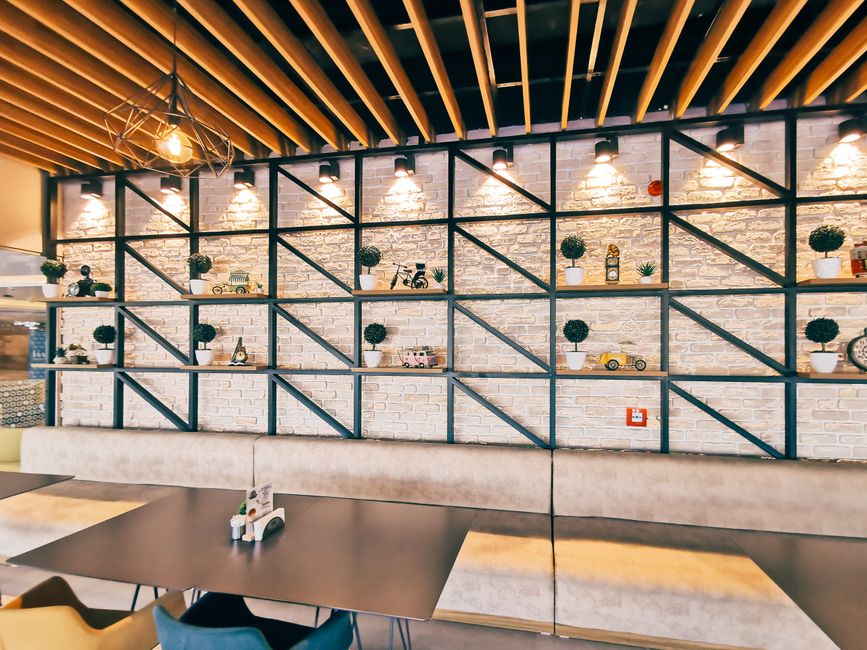
Restaurant interior design goes beyond mere aesthetics; it encompasses the entire dining experience. A well-thought-out design can influence customer behavior, encourage longer stays, and even increase the average spend per visit. Research indicates that diners are more likely to return to a restaurant that provides a comfortable and visually appealing environment. Therefore, investing in restaurant interior design is not only a matter of style but also a strategic business decision.
Moreover, the interior design of a restaurant contributes significantly to its branding. The choice of colors, materials, and layout can communicate the restaurant’s concept and target audience. For instance, a fine dining establishment may opt for elegant furnishings and soft lighting, while a casual eatery might go for a more vibrant and eclectic design.
Key Elements of Effective Restaurant Interior Design
Several key elements contribute to successful restaurant interior design. First and foremost is the layout. An effective layout not only facilitates smooth operations but also enhances customer flow. It’s essential to balance the space between dining areas, kitchens, and service stations to create an efficient environment.
Another critical aspect is lighting. Proper lighting can set the mood and influence the overall atmosphere. For example, soft, warm lighting can create an intimate setting, while bright, energetic lighting may be more suitable for a lively brunch spot. Additionally, incorporating natural light can improve the overall experience, making the space feel more inviting.
Color schemes also play a significant role in interior design. Colors can evoke emotions and set the tone for the dining experience. Research shows that certain colors can stimulate appetite, while others may create a calming effect. Therefore, choosing the right color palette that aligns with the restaurant’s theme is essential.
Current Trends in Restaurant Interior Design
The restaurant design landscape is continually evolving, with new trends emerging regularly. One of the most notable trends is the emphasis on sustainability. Many restaurants are now incorporating eco-friendly materials and designs, reflecting a growing awareness of environmental issues. This includes using reclaimed wood, energy-efficient lighting, and sustainable furniture.
Another trend is the integration of technology into restaurant design. Many establishments are now using digital menus, self-service kiosks, and mobile ordering systems. These technological advancements not only streamline operations but also enhance the customer experience.
Furthermore, the concept of open kitchens has gained popularity. This design allows diners to see the cooking process, creating a sense of transparency and engagement. Open kitchens can also serve as a focal point of the restaurant, enhancing the overall dining experience.
Tips for Creating a Unique Restaurant Interior
Creating a unique restaurant interior requires a deep understanding of the brand and its target audience. Start by defining the restaurant’s concept and the message it wants to convey. This foundational understanding will guide all design decisions, from layout to color schemes.
Next, consider the furniture and decor. Selecting pieces that complement the overall theme can enhance the dining experience. For example, vintage furniture can add character to a retro-style diner, while sleek, modern furnishings may suit a contemporary bistro.
Additionally, don’t overlook the importance of branding in interior design. Incorporate elements of the brand’s identity into the design, such as logos or thematic decor. This not only strengthens brand recognition but also creates a cohesive experience for diners.
Conclusion: The Future of Restaurant Interior Design
The future of restaurant interior design lies in innovation and adaptability. As consumer preferences evolve, so too must the spaces that cater to them. By staying informed about trends and understanding the importance of a well-designed environment, restaurant owners can create spaces that not only attract customers but also foster loyalty.
In conclusion, investing in thoughtful restaurant interior design is essential for creating an engaging and memorable dining experience. From layout to lighting and branding, every detail plays a vital role in shaping how customers perceive and enjoy their time at your restaurant.
