
Kitchen remodeling is one of the most rewarding home improvement projects that can dramatically enhance both the functionality and aesthetic of your home. Whether you are planning a complete overhaul or just a few upgrades, understanding the key elements of kitchen remodeling can help you achieve your vision. In this article, we will explore practical advice, design trends, and essential tips to elevate your kitchen space.
Understanding Your Goals
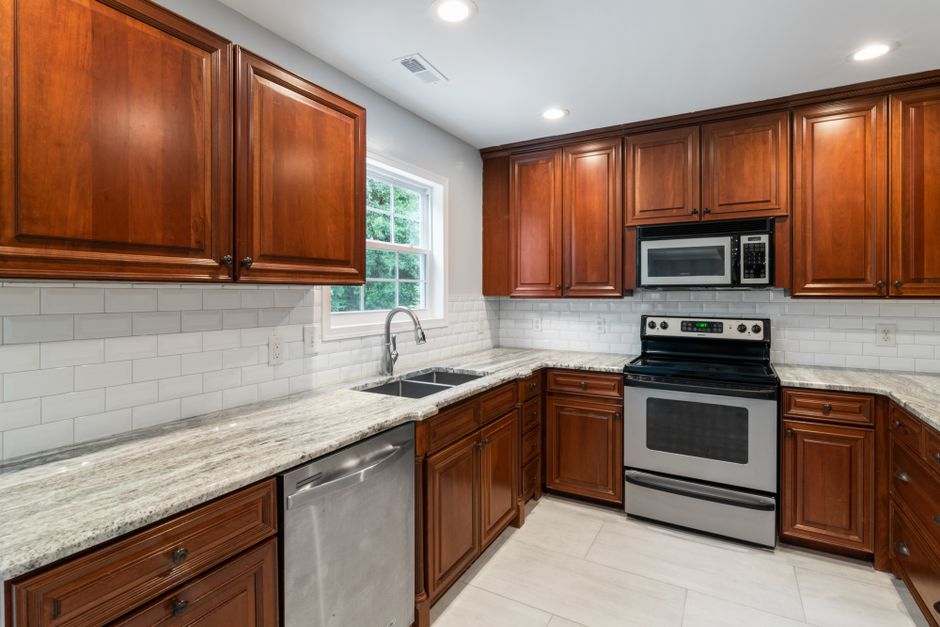
Before diving into the remodeling process, it is crucial to define your goals. Are you looking to increase the value of your home, improve functionality, or simply refresh the appearance of your kitchen? Each goal may require a different approach and budget allocation. According to a recent survey by the National Association of Realtors, kitchen remodels can recoup nearly 70% of their costs upon resale, making it a smart investment for homeowners looking to enhance property value.
It is also important to consider the layout of your kitchen. The traditional work triangle layout, which connects the sink, stove, and refrigerator, is still a popular choice among homeowners. However, open-concept kitchens are gaining traction, allowing for better flow and interaction, especially in homes where the kitchen is part of the living space.
Setting a Budget
Creating a realistic budget is crucial in any remodeling project. The average kitchen remodel can range from $12,000 to $35,000, depending on the scale of the project and the materials chosen. It is essential to prioritize your spending based on your goals. For instance, if you are focused on enhancing aesthetics, investing in high-quality cabinetry and countertops might be your top priority.
When budgeting, don’t forget to account for unexpected expenses that may arise during the remodeling process. It’s wise to set aside an additional 10-20% of your total budget for these contingencies. This will help prevent financial strain and allow for flexibility in decision-making.
Choosing the Right Materials
The materials you select can significantly impact the overall look and durability of your kitchen. For countertops, granite and quartz remain popular choices due to their resilience and wide range of colors and patterns. Additionally, eco-friendly options such as recycled glass or bamboo are gaining popularity among environmentally conscious homeowners.
Cabinetry is another key element in kitchen remodeling. Solid wood cabinets are known for their durability and timeless appeal. However, if you are on a tighter budget, consider high-quality laminate or MDF options that can mimic the appearance of wood without the hefty price tag. Remember, the finish and hardware you choose can also dramatically affect the final look.
Incorporating Smart Technology
In today’s digital age, incorporating smart technology into your kitchen is becoming increasingly popular. Features such as smart refrigerators that can help you track inventory, smart ovens that allow remote monitoring, and touchless faucets can add convenience and efficiency to your cooking space. According to a study by Statista, 30% of homeowners plan to incorporate smart technology in their kitchen renovations.
While integrating these technologies, ensure that they align with your overall design aesthetic. A modern smart appliance can blend seamlessly with a contemporary kitchen, while vintage-inspired designs might benefit from hidden technology that maintains the classic look.
Hiring Professionals vs. DIY
Deciding whether to hire professionals or tackle the project yourself is a critical choice in the remodeling process. For extensive renovations, hiring a licensed contractor can save you time and ensure that the work is done correctly. Professionals can also provide valuable insights and suggestions based on their experience.
However, if you are handy and willing to put in the work, there are many aspects of kitchen remodeling that you can undertake yourself, such as painting, installing backsplash tiles, or even assembling cabinets. This can significantly reduce costs but requires a clear understanding of your skills and the time commitment involved.
Conclusion
Kitchen remodeling is a significant investment that can yield both immediate and long-term benefits. By understanding your goals, setting a realistic budget, choosing the right materials, incorporating smart technologies, and deciding on the right approach to labor, you can create a space that not only meets your needs but also enhances the overall value of your home. Remember to keep functionality at the forefront of your design choices, and don’t hesitate to seek professional guidance when necessary. For more inspiration and ideas, feel free to explore this resource on kitchen remodeling.
