
The kitchen is often referred to as the heart of the home, a place where families gather, meals are prepared, and memories are made. Remodeling your kitchen can significantly enhance both its functionality and aesthetic appeal. Whether you’re planning a minor update or a complete overhaul, understanding the essentials of kitchen remodeling is crucial to achieving your dream space.
Understanding Your Needs and Goals
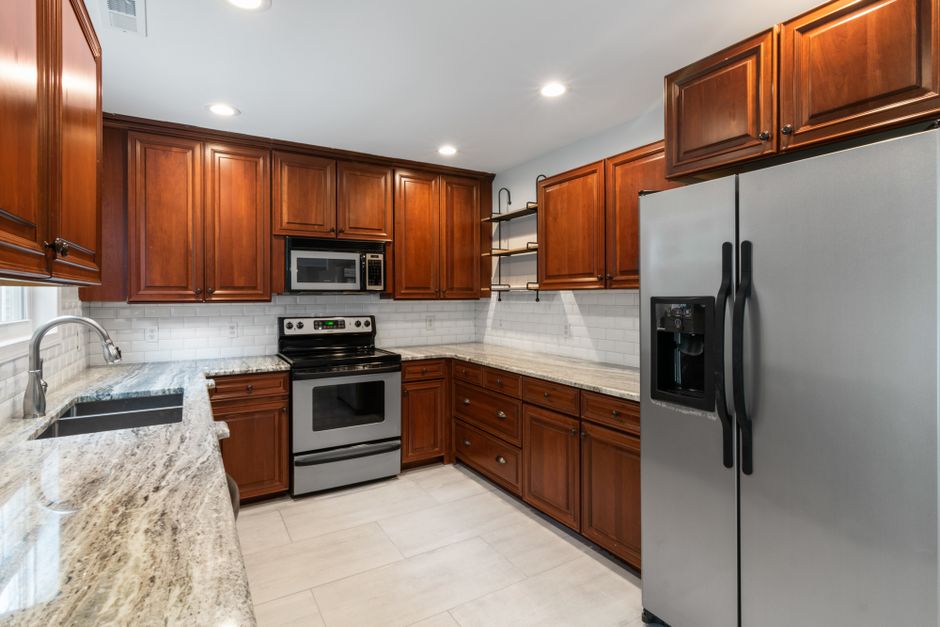
Before diving into the remodeling process, it’s essential to assess your needs and goals. What do you want to achieve with your kitchen redesign? Are you looking for more storage, improved layout, or a modern aesthetic? By clearly defining your objectives, you can create a more focused plan.
Consider the way you use your kitchen. For instance, if you love to cook, investing in high-quality appliances and ample counter space might be your priority. On the other hand, if you often entertain guests, an open layout that connects to living spaces could be more beneficial. Make a list of features that are most important to you and your family.
Additionally, set a realistic budget. Kitchen remodeling can vary greatly in cost depending on the materials and labor involved. According to a report by the National Kitchen and Bath Association, the average kitchen remodel costs around $25,000 to $50,000. Therefore, having a clear budget will help you make informed decisions throughout the process.
Design Trends to Consider
When it comes to kitchen design, trends are constantly evolving. Keeping an eye on the latest styles can inspire your remodeling project. In recent years, open-concept kitchens have gained popularity, allowing for a seamless flow between cooking and entertaining areas. This layout not only maximizes space but also encourages social interaction.
Another trend is the use of sustainable materials. Eco-friendly options, such as bamboo cabinetry or recycled countertops, are becoming increasingly sought after as homeowners prioritize sustainability. Additionally, incorporating smart technology into your kitchen can enhance functionality. From smart refrigerators to voice-activated faucets, technology can make daily tasks more efficient.
Color palettes also play a significant role in kitchen design. Neutral tones, such as whites, grays, and beiges, are timeless choices that create a clean, modern look. However, bold colors like navy blue or emerald green are also trending, adding a pop of personality to the space. Consider what colors resonate with you and how they will complement the overall theme of your home.
Choosing the Right Materials
The materials you choose for your kitchen remodel can significantly impact its longevity and appearance. Cabinets, countertops, flooring, and backsplashes are all essential components that require careful consideration. For cabinets, solid wood is a durable and classic choice, while laminate options may offer a more budget-friendly alternative.
When selecting countertops, granite, quartz, and marble are popular due to their durability and aesthetic appeal. Each material has its pros and cons, so consider your lifestyle and maintenance preferences. For instance, quartz is non-porous and resistant to stains, making it an excellent choice for busy households.
Don’t forget about flooring! Tile, hardwood, and laminate are all common options, each bringing its unique benefits. Tile is water-resistant and easy to clean, while hardwood adds warmth and character to the space. Evaluate your kitchen’s traffic and choose a flooring material that can withstand daily wear and tear.
Hiring Professionals vs. DIY
Deciding whether to hire professionals or undertake a DIY approach is a significant consideration in the remodeling process. While DIY projects can be cost-effective, they also require a considerable investment of time and skill. If you lack experience in construction or design, hiring professionals may be the best route to ensure a successful outcome.
Contractors, designers, and architects bring expertise and can help you avoid costly mistakes. They can also provide valuable insights into local building codes and regulations. If you choose to go the DIY route, be sure to research thoroughly and plan every detail carefully to ensure a smooth process.
Furthermore, if you opt to hire professionals, take the time to vet potential contractors. Check references, read reviews, and ask for detailed quotes. A reliable contractor can help streamline the remodeling process and bring your vision to life.
Final Touches and Personalization
Once the major renovations are complete, it’s time to focus on the finishing touches. This is where you can truly personalize your kitchen to reflect your style. Consider adding decorative elements such as artwork, unique lighting fixtures, and stylish hardware to enhance the overall look.
Accessorizing your kitchen can also improve its functionality. For example, installing open shelving can provide a space to display beautiful dishware and cookbooks while also keeping frequently used items within reach. Additionally, incorporating plants can add a touch of freshness and warmth to the space.
Finally, don’t underestimate the power of good lighting. A well-lit kitchen is not only functional but also inviting. Layer different types of lighting—ambient, task, and accent—to achieve a balanced and practical lighting scheme.
Conclusion
Kitchen remodeling is an exciting opportunity to transform one of the most important spaces in your home. By understanding your needs, staying informed about design trends, choosing the right materials, and considering whether to hire professionals, you can create a kitchen that is both beautiful and functional. Remember, the key to a successful remodel is careful planning and execution. With the right approach, your dream kitchen is within reach! For more inspiration and ideas, explore kitchen remodeling resources that showcase the latest trends and designs.
