
In today’s competitive business landscape, the importance of a well-designed commercial space cannot be overstated. Commercial interior design is not just about aesthetics; it plays a crucial role in enhancing functionality, brand identity, and overall employee satisfaction. This article explores the multifaceted world of commercial interior design, highlighting its significance, trends, and practical tips for businesses.
The Significance of Commercial Interior Design
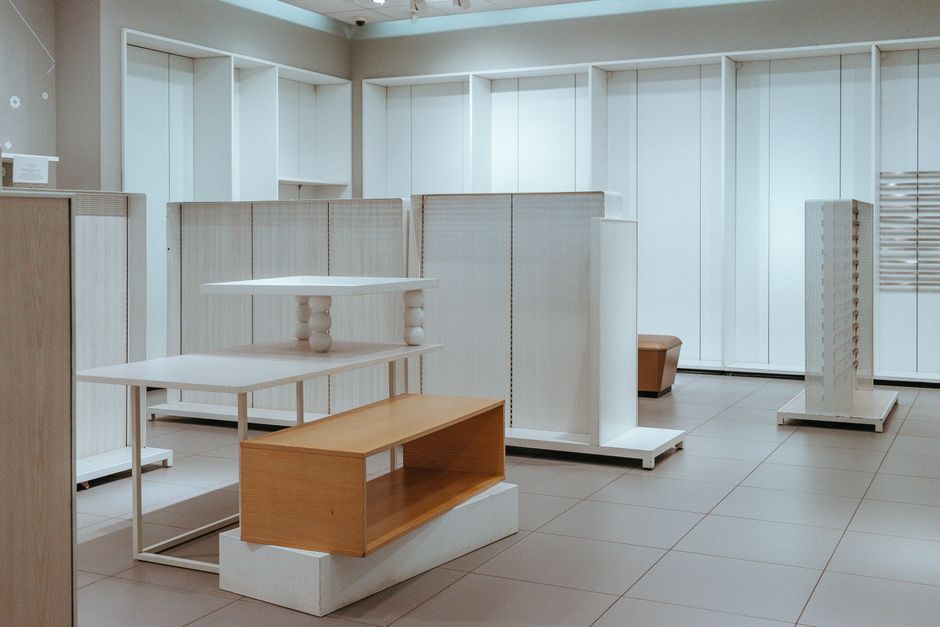
Commercial interior design is essential for creating environments that reflect a company’s brand and values. A well-designed office or retail space can significantly influence customer perceptions and employee productivity. According to a study by the International Facility Management Association, 68% of employees believe that their workspace impacts their productivity levels. This statistic underscores the need for businesses to invest in professional design services.
Moreover, commercial interior design can affect employee retention rates. A company that prioritizes its working environment is likely to attract and retain top talent. For instance, tech giants like Google and Facebook are known for their innovative office designs that promote collaboration and creativity. These companies recognize that a thoughtfully designed workspace can lead to increased job satisfaction and reduced turnover.
Current Trends in Commercial Interior Design
The world of commercial interior design is constantly evolving, with new trends emerging to meet the changing needs of businesses. One of the most significant trends is the incorporation of sustainable design practices. With growing awareness of environmental issues, many companies are opting for eco-friendly materials and energy-efficient solutions. This not only benefits the planet but also resonates with consumers who prefer to support sustainable brands.
Another trend is the use of flexible spaces. As remote work becomes more prevalent, businesses are rethinking their office layouts to accommodate different working styles. Open floor plans, collaborative areas, and quiet zones are becoming increasingly popular. This flexibility allows businesses to adapt to changing workforce dynamics while fostering collaboration among employees.
Choosing the Right Commercial Interior Designer
When it comes to selecting a commercial interior designer, businesses should consider several key factors. First, it’s essential to look for designers with experience in the specific type of space being designed. For example, a designer specializing in retail spaces may not have the expertise needed for corporate office design. Reviewing portfolios and client testimonials can provide valuable insights into a designer’s capabilities.
Additionally, communication is crucial in the design process. A good designer should be able to understand a client’s vision and translate it into a functional design. During the initial consultation, businesses should discuss their goals, budget, and timeline to ensure that both parties are aligned.
For businesses seeking a dedicated partner in commercial interior design, it is advisable to explore options like commercial interior designer services that cater to specific needs and preferences.
Budgeting for Commercial Interior Design
Budgeting is often a significant concern for businesses considering a commercial redesign. It’s essential to establish a clear budget before starting the project to avoid unexpected costs. A well-prepared designer can help businesses navigate the budgeting process by providing detailed estimates and suggesting cost-effective solutions.
Investing in quality materials and design can yield long-term benefits. While it may be tempting to cut corners, a poorly designed space can lead to increased operational costs and decreased employee morale. Businesses should view commercial interior design as an investment in their future rather than just an expense.
Conclusion
In conclusion, commercial interior design is a vital component of modern business strategy. By understanding its significance, staying updated on trends, choosing the right designer, and budgeting effectively, companies can create spaces that not only look great but also enhance productivity and employee satisfaction. As the business world continues to evolve, the role of commercial interior designers will only become more critical in shaping functional and inspiring environments.
