
In today’s digital age, music videos have become more than just a promotional tool for artists; they are a crucial component of a musician’s brand identity. The right music video can not only enhance a song’s reach but also convey the artist’s message and aesthetic in a visually compelling way. This article delves into the essential elements and strategies of music video production, offering insights that can help aspiring filmmakers and musicians alike.
The Importance of Concept Development
Before diving into the actual production, developing a strong concept is paramount. The concept serves as the backbone of the music video, guiding every decision from the location to the visual style. For instance, consider the iconic music video for “Thriller” by Michael Jackson. The video was not only groundbreaking in its cinematic approach but also told a cohesive story that resonated with audiences.
To create a compelling concept, artists and producers should start by brainstorming key themes and messages that align with the song. Collaborating with a creative team can provide diverse perspectives that enrich the concept. This process often involves storyboarding, which helps visualize the flow of the video and identify potential challenges early on.
Moreover, it’s essential to consider the target audience during the concept development phase. For example, a music video aimed at teenagers might incorporate vibrant colors and fast-paced editing, while one targeting an older demographic may lean towards a more subdued and artistic approach.
Pre-Production Planning
Once the concept is established, the next step in music video production is thorough pre-production planning. This phase includes budgeting, scheduling, casting, and location scouting. An effective budget ensures that the project can be executed without financial hiccups. According to a survey by the International Music Video Festival, the average cost of producing a professional music video ranges from $5,000 to $50,000, depending on various factors such as location, crew size, and special effects.
Scheduling is equally important. Coordinating the availability of the cast, crew, and locations can be a logistical challenge. A detailed production timeline can help keep the project on track. Casting the right talent is also crucial. Whether it’s hiring professional dancers or local actors, their performance can significantly impact the video’s overall quality.
Location scouting is another vital aspect of pre-production. The chosen location should complement the video’s concept. For instance, a gritty urban setting may work well for a rap music video, while a serene beach might be ideal for a pop ballad.
Production Techniques
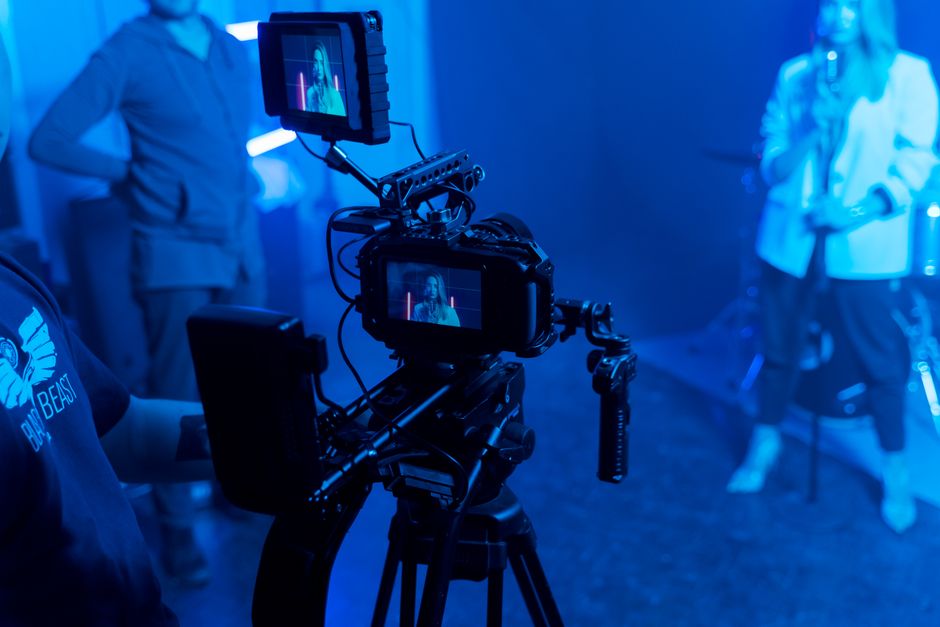
The actual production phase is where the magic happens. This stage involves shooting the video according to the storyboard created during pre-production. Utilizing high-quality equipment is vital to achieving a professional look. Many independent filmmakers now use DSLR cameras or even smartphones with advanced filming capabilities to produce stunning visuals.
Lighting is another critical element. Proper lighting can transform an ordinary scene into something extraordinary. For example, using backlighting can create a dramatic silhouette effect, while soft lighting can provide a more intimate feel. Additionally, incorporating various camera angles and movements can add depth and interest to the video.
Collaboration with a skilled director and cinematographer is key to achieving a cohesive vision. Their expertise can guide the overall aesthetic and ensure that the final product aligns with the initial concept. During this phase, it’s also important to remain flexible and open to improvisation, as unexpected challenges may arise on set.
Post-Production: Editing and Distribution
After filming wraps, the next step is post-production, where the footage is edited into a polished final product. This stage includes video editing, color grading, and sound design. Editing plays a crucial role in setting the video’s pace and tone. Quick cuts can create excitement, while longer takes can evoke emotion.
Color grading is essential for achieving a specific mood and visual style. For example, a music video that aims for a nostalgic feel may use warmer tones, while a more modern video might incorporate cooler colors. Sound design is equally important; adding sound effects or enhancing the audio quality can significantly elevate the viewer’s experience.
Once the video is finalized, it’s time for distribution. Choosing the right platform for release is crucial. YouTube remains the most popular platform for music videos, but social media channels like Instagram and TikTok are also valuable for reaching younger audiences. Creating teasers and engaging promotional content can help generate buzz before the official release.
Case Studies and Success Stories
Examining successful music videos can provide valuable lessons for aspiring producers. For example, the music video for “Old Town Road” by Lil Nas X showcases a unique blend of genres and a strong narrative that captivated audiences worldwide. Its viral success can be attributed to effective social media marketing and a relatable storyline.
Another notable example is Beyoncé’s “Formation,” which not only features stunning visuals but also addresses significant social issues. The video’s impact was amplified by its timely release and the strong message it conveyed, demonstrating the power of music videos as a platform for social commentary.
These case studies highlight the importance of creativity, innovation, and a clear understanding of the target audience in music video production. By analyzing what worked in these successful videos, aspiring creators can glean insights that can be applied to their projects.
Final Thoughts
Music video production is a multifaceted process that requires careful planning, creativity, and collaboration. By understanding the importance of concept development, thorough pre-production planning, effective production techniques, and strategic post-production, artists can create compelling visuals that enhance their music and resonate with audiences. As the landscape of music consumption continues to evolve, mastering the art of music video production will remain an invaluable skill for any artist looking to make a mark in the industry. For those seeking professional support, exploring resources on music video production can provide additional insights and guidance.
