
In today’s unpredictable agricultural landscape, farmers face numerous challenges that can threaten their livelihoods. From unpredictable weather patterns to pest infestations, the risks are ever-present. This is where crop insurance comes into play. Designed to protect farmers from the financial losses associated with crop failures, crop insurance is not only a safety net but a crucial tool for sustainable farming.
What is Crop Insurance?
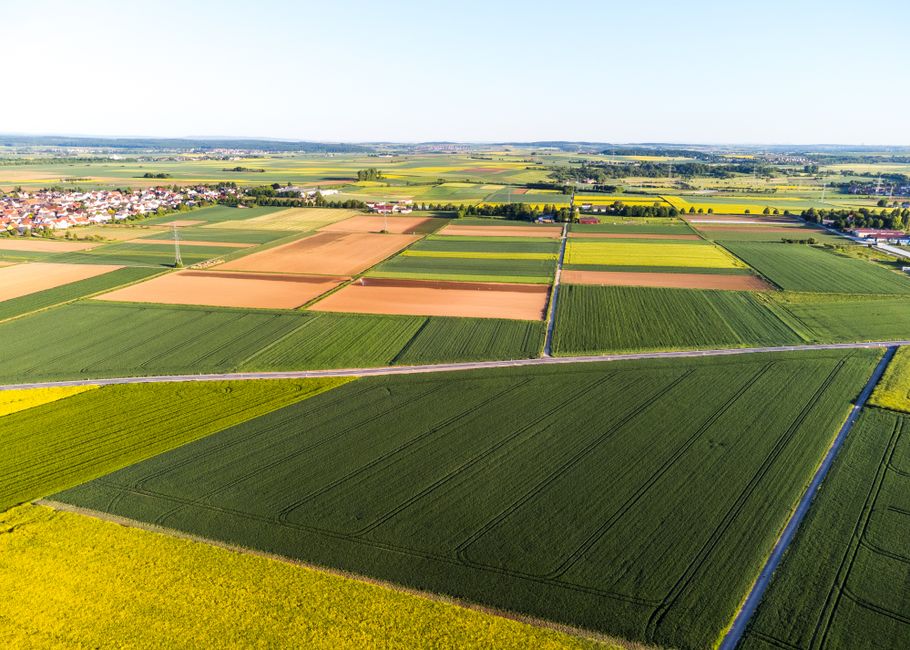
Crop insurance is a type of insurance specifically tailored for agricultural producers. It provides financial protection against the loss of crops due to various risks, such as natural disasters, adverse weather conditions, and market fluctuations. The primary objective of crop insurance is to stabilize farmers’ incomes, allowing them to recover from losses and maintain their operations.
There are two main types of crop insurance: multi-peril crop insurance (MPCI) and crop revenue insurance. MPCI covers losses due to a variety of risks, while revenue insurance protects against declines in crop revenue. Understanding these options is essential for farmers looking to safeguard their investments.
The Importance of Crop Insurance
Crop insurance plays a vital role in the agricultural sector. According to the Risk Management Agency (RMA), more than 1 million farmers in the United States utilize crop insurance to protect their operations. This widespread adoption highlights the importance of these policies in ensuring food security and supporting the agricultural economy.
For instance, during the 2020 growing season, farmers faced significant challenges due to weather-related events, such as droughts and hurricanes. Those with crop insurance were able to receive compensation for their losses, enabling them to plant again in subsequent seasons. This not only benefits the individual farmer but also contributes to the overall stability of the agricultural market.
How to Choose the Right Crop Insurance
Selecting the appropriate crop insurance is critical for maximizing coverage while minimizing costs. Farmers should begin by assessing their specific needs, considering factors such as the types of crops they grow, the historical risks they face, and their financial situation. Consulting with an insurance agent who specializes in agricultural policies can provide valuable insights and help tailor coverage.
Additionally, farmers should stay informed about government programs that can assist with insurance costs. In many countries, subsidies and assistance programs are available to help offset premiums, making crop insurance more accessible for small and medium-sized farmers.
Challenges and Limitations of Crop Insurance
While crop insurance offers numerous benefits, it is not without its challenges. One of the primary limitations is the complexity of the policies. Farmers may find it difficult to navigate the various options and understand the terms and conditions of their coverage.
Moreover, payout processes can sometimes be lengthy and complicated, leading to delays in receiving compensation. Farmers must be diligent in documenting their losses and maintaining accurate records to ensure a smooth claims process.
Future Trends in Crop Insurance
The agricultural landscape is continuously evolving, and so is the field of crop insurance. With advancements in technology, insurers are increasingly utilizing data analytics and precision agriculture techniques to assess risks and tailor policies more effectively. This trend is expected to enhance the accuracy of risk assessments and improve the overall efficiency of insurance processes.
Furthermore, as climate change continues to impact weather patterns, crop insurance policies may need to adapt to address new and emerging risks. Farmers must stay informed about these developments to ensure they have the most comprehensive coverage possible.
Conclusion
In conclusion, crop insurance is an essential component of modern agriculture, providing farmers with a necessary safety net against unpredictable risks. By understanding the various types of coverage available, the importance of insurance in stabilizing income, and the challenges that may arise, farmers can make informed decisions to protect their livelihoods. Investing in crop insurance is not just a financial decision; it is a commitment to sustainability and resilience in the ever-changing world of agriculture. To learn more about how crop insurance can benefit your farming operation, visit crop insurance.
