
In the ever-evolving landscape of agriculture, crop insurance has emerged as a vital tool for farmers seeking to mitigate risks associated with unpredictable weather, pests, and market fluctuations. As farming becomes increasingly complex, understanding the intricacies of crop insurance is essential for ensuring the sustainability of agricultural operations. This article delves into the various aspects of crop insurance, including its importance, types, and how farmers can effectively utilize it to protect their livelihoods.
The Importance of Crop Insurance
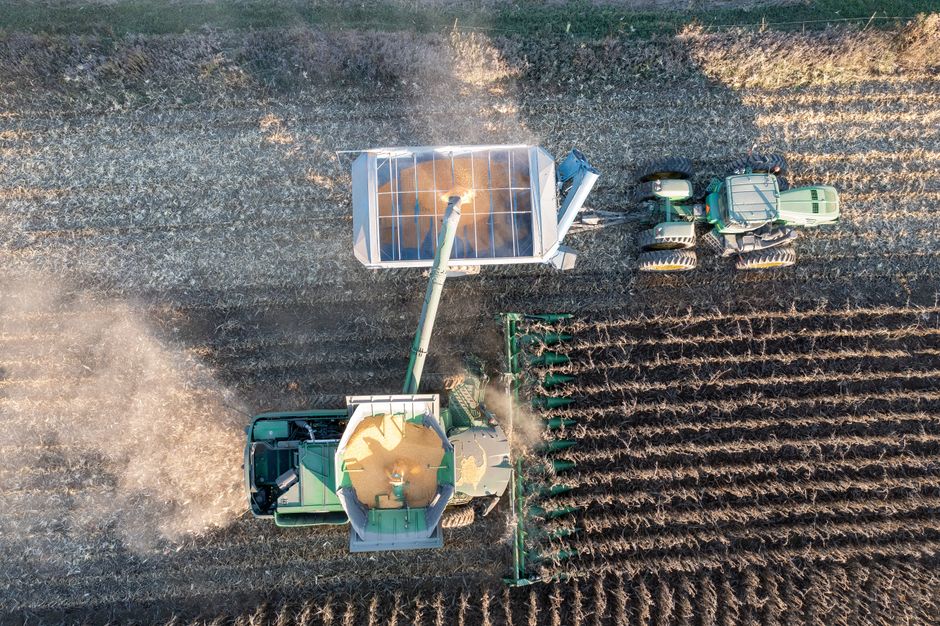
Crop insurance plays a crucial role in the agricultural sector, providing financial protection to farmers against losses due to natural disasters, adverse weather conditions, and market volatility. According to the U.S. Department of Agriculture, approximately 90% of U.S. farms rely on some form of crop insurance. This statistic underscores the significance of crop insurance as a financial safety net, allowing farmers to recover from losses and maintain their operations.
Furthermore, crop insurance not only aids individual farmers but also contributes to the overall stability of the agricultural economy. By encouraging farmers to take risks and invest in their operations, crop insurance promotes innovation and productivity within the sector. In essence, it acts as a buffer that supports both farmers and the broader economy during challenging times.
Types of Crop Insurance
There are several types of crop insurance available, each designed to address different risks and needs. The most common types include:
- Revenue Insurance: This type of insurance protects farmers against a decline in revenue due to price drops or decreased yields. It ensures that farmers receive a guaranteed income, even if their harvest is affected by unforeseen circumstances.
- Yield Insurance: Yield insurance offers protection based on the actual yield produced compared to a predetermined baseline. This type of insurance is particularly beneficial for farmers in regions prone to natural disasters that can significantly impact crop yields.
- Multi-Peril Crop Insurance (MPCI): MPCI covers a wide range of risks, including droughts, floods, pests, and diseases. This comprehensive coverage provides farmers with peace of mind, knowing they are protected against multiple potential threats.
Farmers should carefully assess their specific needs and risks to choose the most suitable type of crop insurance. Consulting with an insurance agent or agricultural expert can provide valuable insights into the best options available.
How to Apply for Crop Insurance
The process of applying for crop insurance can vary depending on the provider and the type of insurance chosen. Generally, the application process involves the following steps:
- Evaluate Your Needs: Farmers should begin by assessing their farming practices, the crops they grow, and the potential risks they face. This evaluation will help determine the appropriate coverage.
- Contact an Insurance Agent: Engaging with a licensed insurance agent who specializes in crop insurance is crucial. They can guide farmers through the application process and help them understand the available options.
- Fill Out the Application: The application typically requires detailed information about the farm, including acreage, crop types, and historical yield data. Accurate information is essential to ensure proper coverage.
- Submit Your Application: Once the application is complete, it should be submitted before the deadline, which varies by crop type and region. Early submission is advisable to secure coverage.
Challenges and Considerations
While crop insurance offers numerous benefits, there are challenges and considerations that farmers should keep in mind. One significant challenge is the cost of premiums, which can be a burden for small-scale farmers. Additionally, some farmers may find the application process complex and time-consuming.
Moreover, not all crops are eligible for insurance, and coverage levels can vary widely. Farmers must thoroughly understand the terms and conditions of their policies to avoid any surprises during the claims process.
Despite these challenges, the advantages of crop insurance often outweigh the drawbacks. With proper planning and a clear understanding of the available options, farmers can navigate the complexities of crop insurance and secure their financial future.
Conclusion
In conclusion, crop insurance is an indispensable tool for farmers seeking to protect their investments and ensure the sustainability of their operations. By understanding the importance of crop insurance, the various types available, and the application process, farmers can make informed decisions that will safeguard their livelihoods. As the agricultural landscape continues to change, staying informed about crop insurance options will be crucial for navigating uncertainties and thriving in the industry. For more information on the benefits of crop insurance, consider exploring resources such as crop insurance.
